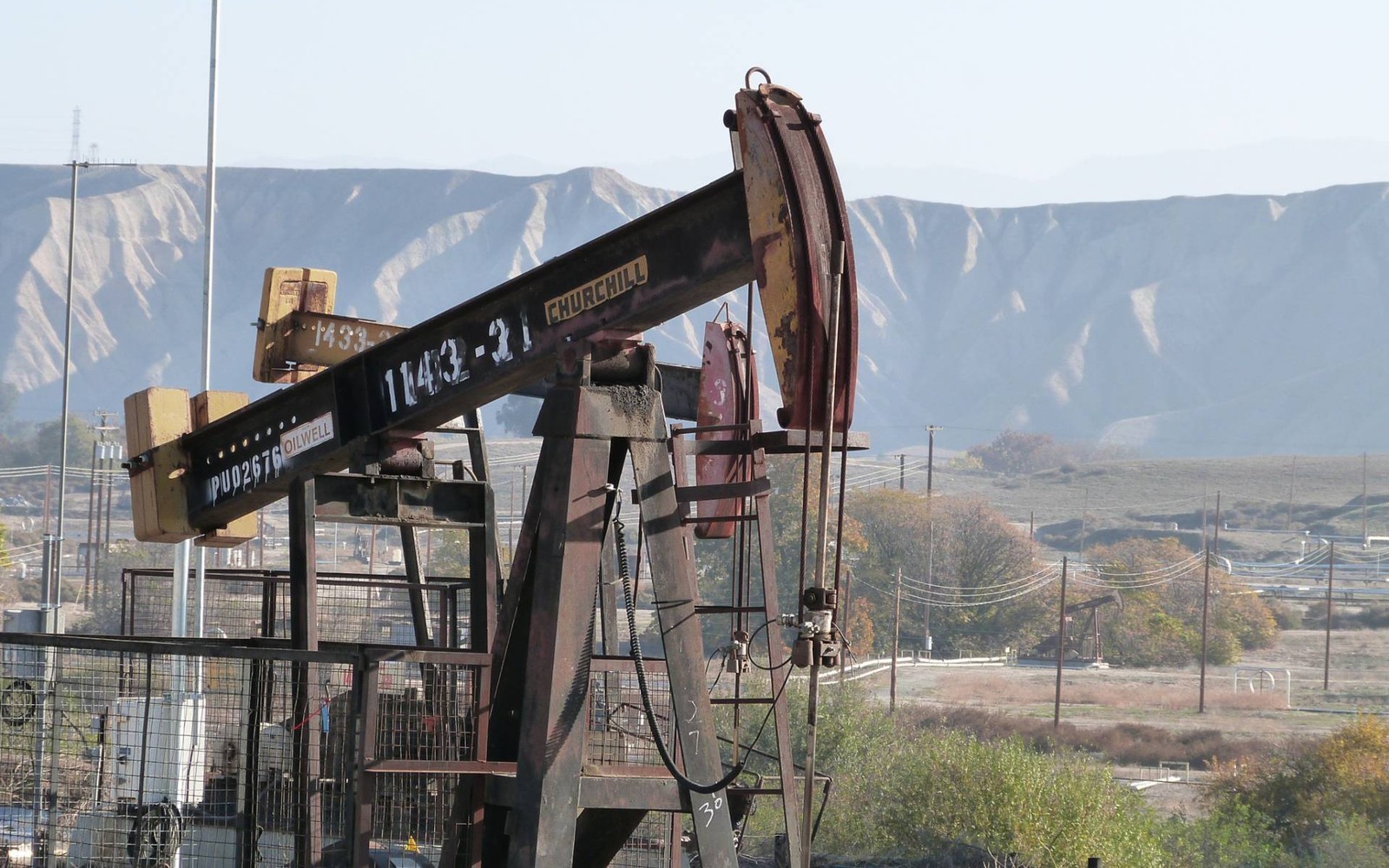
Adena sits in Harrison County's Utica core, where decades of leasing turned scattered farm tracts into a patchwork of held and unheld acreage.
If you own mineral rights near Adena, you're sitting on ground that operators have targeted since the earliest Utica permits went in around 2011. Harrison County has some of the thickest, most productive Utica/Point Pleasant rock in the state, and Adena's location west of Cadiz puts most parcels squarely inside laid-out spacing units rather than on the fringe.
That said, owning minerals here is rarely simple. Many Adena-area tracts trace back to farms subdivided across two or three generations, which means a single 40-acre parent tract can now carry a dozen heirs each holding a fractional interest measured in net mineral acres, not whole acres. Before you think about selling, it helps to understand exactly what you hold and how it got divided.
What ownership looks like around Adena
Most mineral owners near Adena inherited their interest rather than bought it outright. A grandparent or great-grandparent farmed the surface, sold or kept the minerals when the land eventually changed hands, and the interest passed down through wills or intestate succession. Over time that single interest fractures further with each generation, so it's common to find owners holding 1/16, 1/32, or smaller undivided shares in a tract.
The Harrison County Recorder's office in Cadiz is where all of this gets documented, deed by deed. If you're not sure what you own, a title search there (or a pull of your existing division order from an operator) is the starting point. Your division order number and net mineral acreage are the two figures that matter most when anyone, including us, puts together a real offer.
Leasing and production reality
Land around Adena was leased heavily during the first Utica wave, and much of it has since been pooled into horizontal spacing units that can run a mile or more. If your tract is held by production, you're likely already receiving royalty checks, which is the single best document to have on hand when you're weighing a sale, since it shows actual monthly volumes and pricing rather than a projection.
If your family's minerals were never leased, or the lease has since expired without a well drilled on the unit, that's a different situation entirely and changes what a buyer can reasonably offer, since undeveloped acreage carries more uncertainty than a producing interest with a payment history.
The Dormant Mineral Act and why it matters here
Harrison County has seen its share of Ohio Dormant Mineral Act activity. Under ORC 5301.56, a surface owner can move to reclaim severed mineral rights that have gone unused for 20 years, provided none of the statutory savings events occurred, things like a title transaction, actual production, a filed claim to preserve, or separate tax assessment of the minerals. If your family's interest has sat quiet for decades with no lease, no royalty, and no recorded activity, it's worth checking the county recorder's index for any abandonment notice before you assume the interest is still yours to sell.
This is exactly the kind of dispute Ohio courts wrestled with in Corban v. Chesapeake and later cases, which clarified that the 2006 version of the statute (not the old 1989 self-executing version) governs how abandonment claims have to be made, with formal notice and a recorded affidavit. If you've received a notice like that, or if your interest has been dormant, that's worth resolving before a sale, not after.