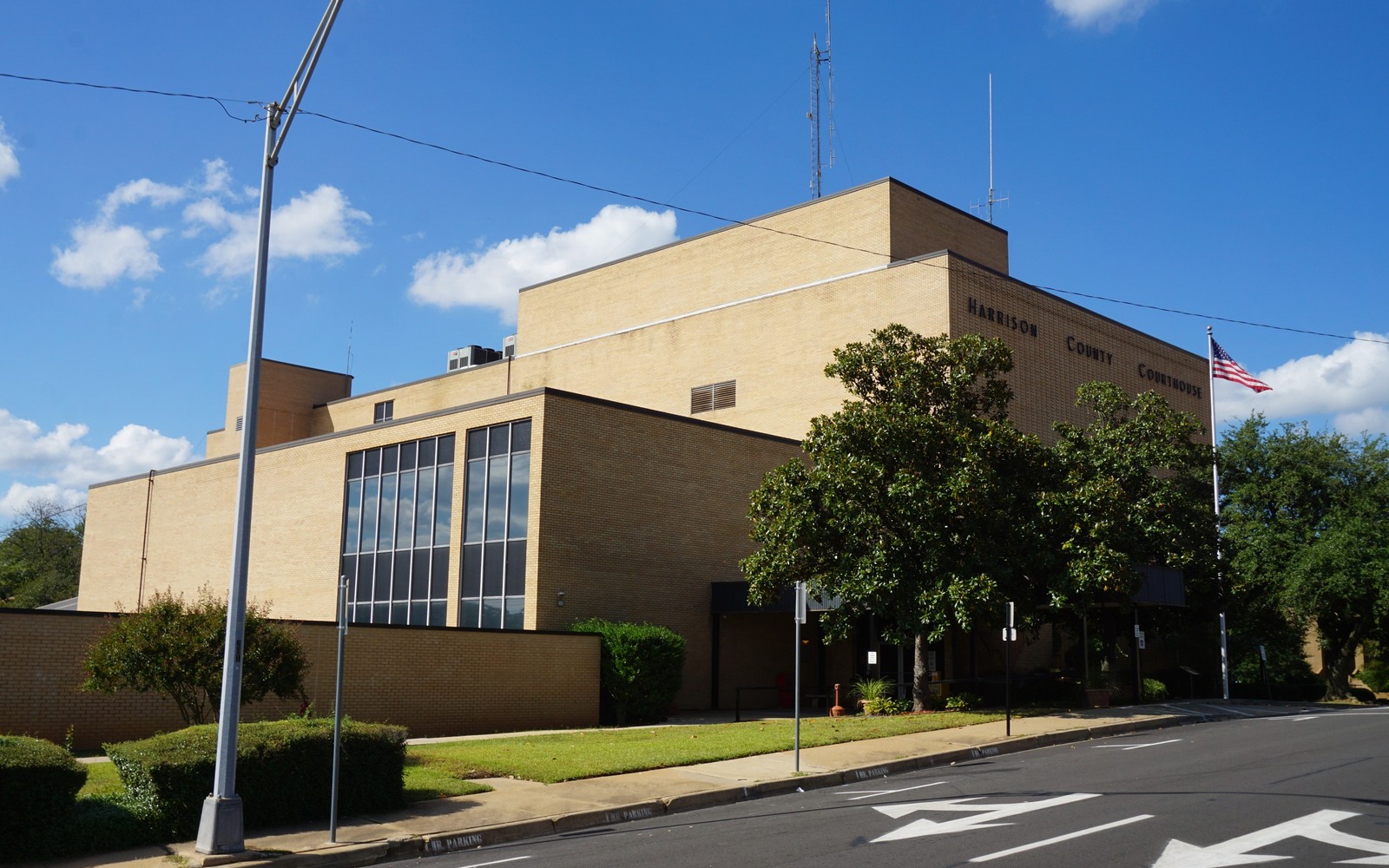
Few Ohio counties have seen as much horizontal drilling per square mile as Harrison County, which makes it one of the more straightforward places to get a real, well-informed number on a mineral interest.
Harrison County, seat Cadiz, is small in population but has been one of the most heavily drilled counties in the Utica/Point Pleasant play since the early 2010s, with dozens of horizontal units laid out across townships around Cadiz, Freeport, Jewett, Hopedale and Harrisville. Land here was farmed and mined for coal long before anyone talked about shale, and that older history is exactly why so many mineral interests in this county are fractionated across multiple heirs rather than held whole by one owner.
If you own minerals in Harrison County, the practical questions are usually the same ones we hear from most owners in this belt: is your interest actually leased and producing, how many net mineral acres Do you really hold once the fractions are worked out, and what does a fair number look like given how active this specific spacing unit has been. None of those questions have a template answer, they depend on your deed and your unit.
Why Harrison County has been a focal point of Utica development
Harrison County falls squarely in the Utica/Point Pleasant core, where the target formation sits at favorable depth and pressure for long horizontal laterals. Operators that have historically drilled here include names like Encino Energy (which acquired much of Chesapeake's Utica position), Ascent Resources and Eclipse Resources predecessors, and the county has hosted some of the larger-acreage spacing units in the play. That drilling density is a double-edged fact for a mineral owner: it usually means more production history to price against, but it also means your interest may sit inside more than one unit if multiple laterals were drilled from different pads over the years.
Older Clinton sandstone wells are common here too, some drilled decades before Utica, and a handful of those legacy wells are still producing modest volumes. A deed that only says 'oil and gas' without naming a formation typically covers both zones, so a buyer pricing your interest needs to know which wells, which units, and which formation are actually generating royalty.
How the Ohio Dormant Mineral Act plays out in a county this fractionated
Ohio's Dormant Mineral Act, ORC 5301.56, allows a surface owner to reclaim a mineral interest that's sat unused for 20 years, no lease, no production, no recorded claim of interest. In a county where so many mineral estates were severed by early-1900s coal deeds and then split repeatedly through inheritance, it's common for one heir out of a dozen to have no idea they own a fraction of a fraction, which is exactly the situation the DMA is built to address.
The current law requires the surface owner to serve or publish notice, then record an affidavit of abandonment, giving the mineral holder 60 days to file a claim to preserve. The Ohio Supreme Court's Corban v. Chesapeake ruling in 2016 closed the door on the earlier, self-executing version of the statute, so any abandonment claim in Harrison County today has to follow that recorded-notice procedure to hold up. If you've inherited a fractional interest and have never leased it or received a royalty check, it's worth checking the county recorder's records for any DMA notice or affidavit filed against your name or your ancestor's name before you assume the interest is simply gone or simply safe.
What determines value on a Harrison County interest
Value here tracks the same handful of drivers as anywhere in the core: your net mineral acres, your royalty decimal on the specific spacing unit, how long the well or wells have been producing, and where they sit on the production decline curve. A unit two years into production with a strong recent royalty check reads very differently than one eight years in and well down the curve, even if both are in Harrison County and both look identical on a plat map.
Any number you're quoted should be tied to your actual royalty statements or, if you're unleased, to comparable recent activity on nearby units, not a flat countywide rate. Harrison County has enough production history that legitimate buyers can usually get you a grounded, activity-based range fairly quickly once they see your documentation.