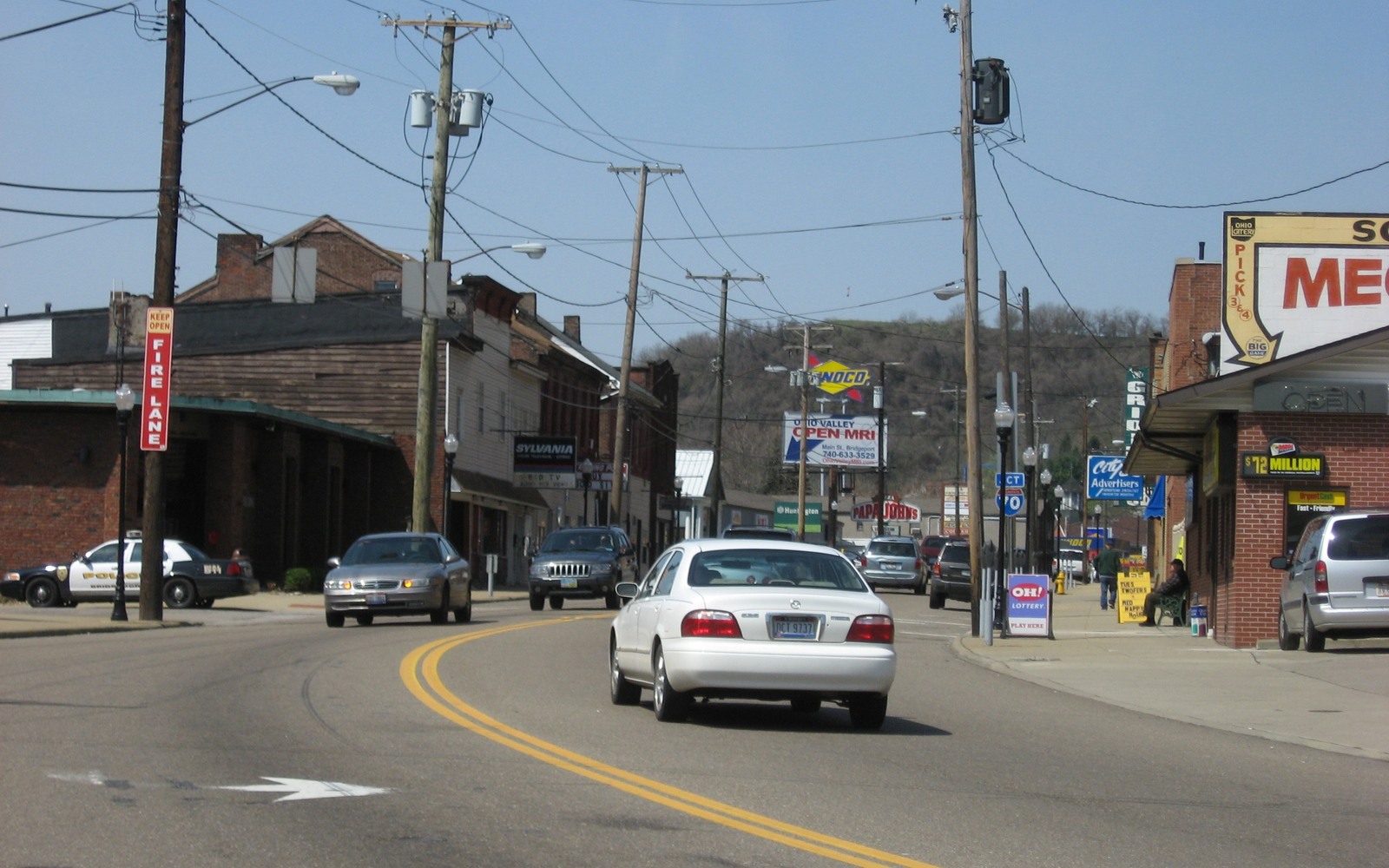
Bridgeport sits directly across the Ohio River from Wheeling, West Virginia, in a stretch of Belmont County shaped as much by its industrial past as its shale present.
Bridgeport grew up as an industrial river town long before anyone drilled a Utica well nearby, and that history means mineral ownership here can be genuinely more complicated than on a straightforward rural farm tract. Old industrial, rail, or coal-related transactions sometimes touch the same land where mineral rights are now being leased for oil and gas, and untangling which instrument actually controls today's rights takes real title work.
That complexity aside, Bridgeport sits inside Belmont County's Utica core, and land in this area has seen consistent leasing and development activity for over a decade.
Industrial-era deeds and modern mineral rights
If your family's Bridgeport property has any history tied to the town's industrial or rail past, it's worth having a title search specifically check whether any prior transaction severed or reserved mineral rights separately from what you'd expect on a typical farm deed. The Belmont County Recorder's office in St. Clairsville holds this full record.
This isn't a reason to worry, it's simply a reason to be thorough rather than assuming a standard chain of title applies.
Core Utica development in this stretch of the county
Belmont County has more producing Utica wells than nearly any other county in the state, and Bridgeport sits well within that footprint. If your interest is leased and producing, your division order and royalty statements are the clearest measure of current value, showing your exact decimal interest and recent production trends.
Getting started with limited paperwork
If you don't have much documentation on hand, that's a common starting point for interests that passed through an estate years ago. We can typically confirm ownership through a county title search and, for producing tracts, request current division order details directly from the operator.
Begin with the local record trail
A mineral review in the county starts with the county recorder, legal description, deed chain, reservations, affidavits, notices, lease, units, division orders, payor records, statements, and Ohio well data.
Route Ohio title questions correctly
Probate, marital property, dormant-mineral procedure, pooling, recording, transfer, regulatory filings, and payor notices can change the file in the county. Qualified advisers should review legal and tax questions.
Keep the local review tract-specific
Use local context as a prompt, not a valuation shortcut. The county mineral docket then reconciles the exact tract against gross and net acres, ownership fraction, recorded notices, producing and inactive wells, paid decimal, recent statements, lease burdens, title exceptions, and the complete written offer.