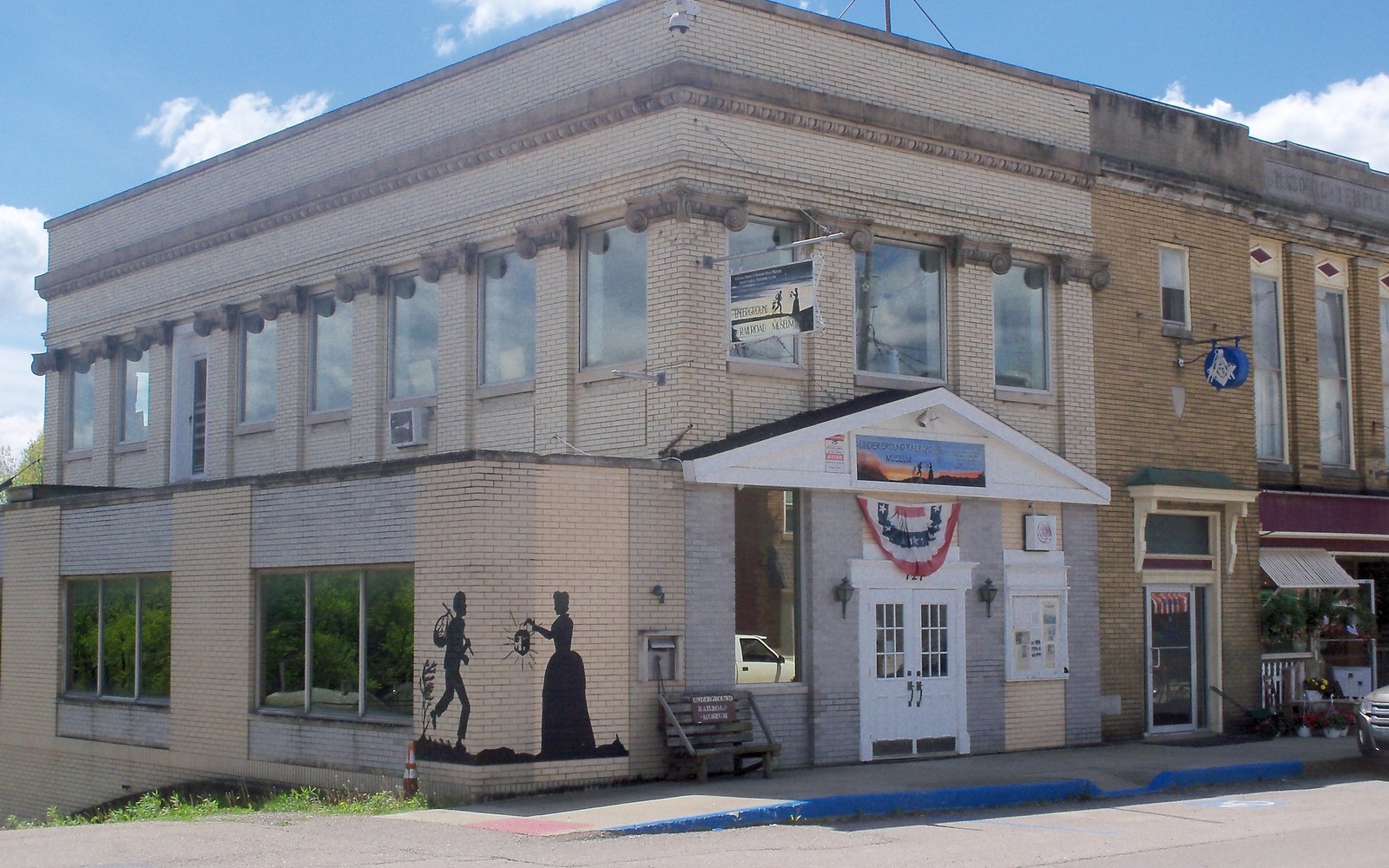
Flushing sits in one of the most heavily developed parts of Belmont County, which makes real royalty data easier to come by here than in most Ohio towns.
Flushing is a village in Belmont County along U.S. Route 40, the historic National Road, in an area that's seen substantial Utica/Point Pleasant horizontal drilling activity since the play's early years. Land here was farmed for generations, with mineral rights frequently severed through simple farm deeds well before shale drilling, and today many of those old fractional interests sit inside active spacing units.
What dense development around Flushing means for owners
Because Belmont County has hosted so much drilling, a tract near Flushing has a reasonable chance of sitting inside a producing unit already, which means royalty statements, division orders, or at minimum a recorded lease should exist somewhere in your family's paperwork. Finding those documents is the fastest path to an accurate valuation, since they show your actual decimal interest rather than a rough estimate.
It's also common in this area for a single tract to fall into more than one unit if additional laterals were drilled from a different pad years after the first well, so confirming which unit or units apply to your specific acreage matters before pricing gets serious.
Old farm severances and heirship
Mineral interests around Flushing frequently trace back to a single family farm split among children and grandchildren over multiple generations, which means small fractional interests are the norm. A title search through the Belmont County Recorder in St. Clairsville is the way to confirm your exact current share, especially if the original deed used broad fractional language rather than a specific net-mineral-acre figure.
Begin with the local record trail
A mineral review in the county starts with the county recorder, legal description, deed chain, reservations, affidavits, notices, lease, units, division orders, payor records, statements, and Ohio well data.
Route Ohio title questions correctly
Probate, marital property, dormant-mineral procedure, pooling, recording, transfer, regulatory filings, and payor notices can change the file in the county. Qualified advisers should review legal and tax questions.
Keep the local review tract-specific
Use local context as a prompt, not a valuation shortcut. The county mineral docket then reconciles the exact tract against gross and net acres, ownership fraction, recorded notices, producing and inactive wells, paid decimal, recent statements, lease burdens, title exceptions, and the complete written offer.