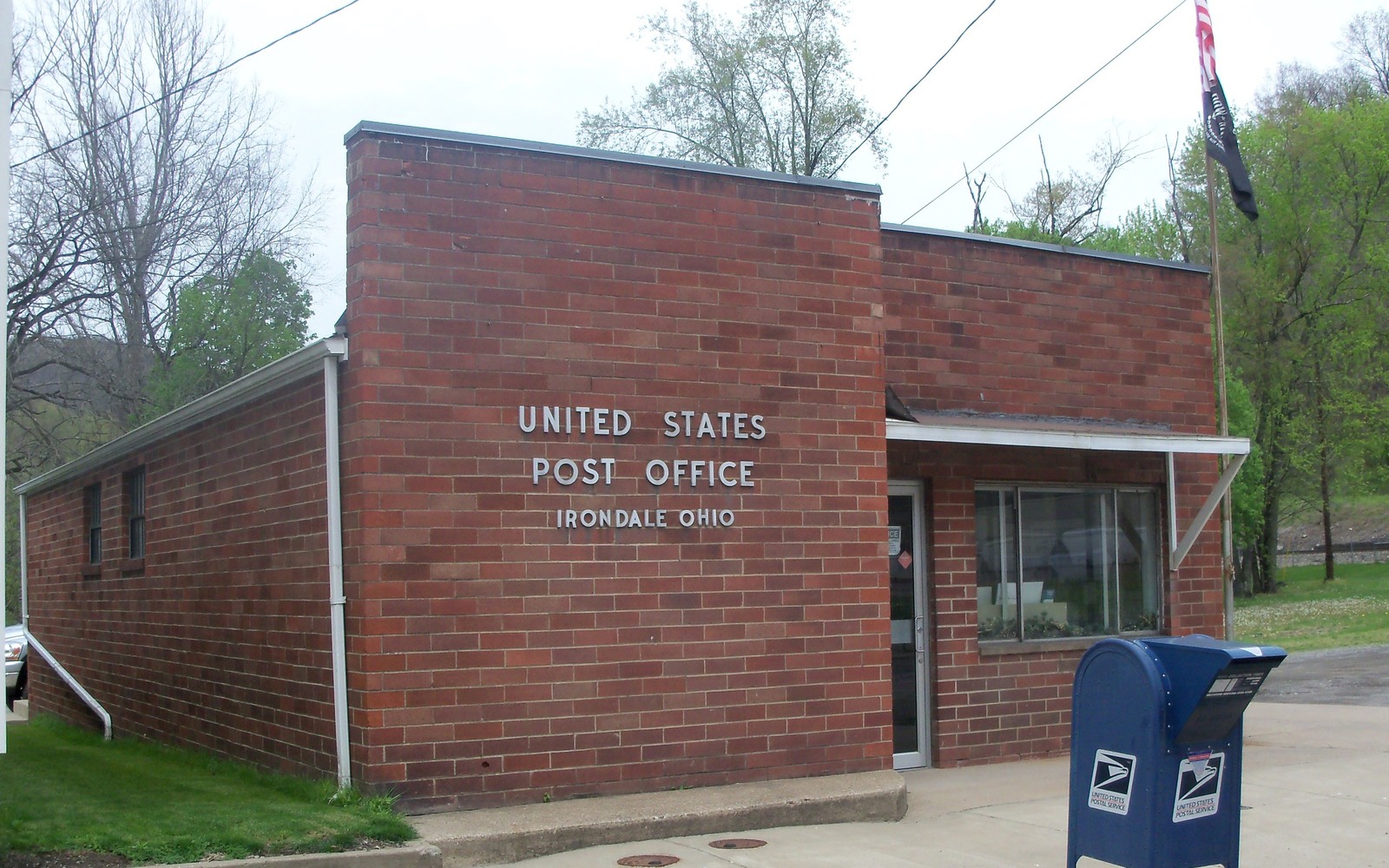
Irondale's name says it plainly, this village was built for iron, and that industrial history shapes its mineral title records differently than the farm towns around it.
Irondale is a small village in Jefferson County named for the iron furnaces that once operated in the area, a different industrial history than the coal-mining or farming backgrounds common elsewhere in the county. Sitting on the flank of the Utica/Point Pleasant fairway, drilling activity around Irondale has been limited, and mineral ownership here often traces back to industrial-era land transactions rather than simple farm severances.
Iron-industry land history and what it means for title
Land tied to Irondale's iron furnace era sometimes changed hands through company transactions rather than family farm sales, and those deeds don't always follow the same patterns as agricultural land nearby. Pulling the actual recorded instrument from the Jefferson County Recorder's office in Steubenville is the reliable way to confirm what was reserved on your specific parcel.
Flank-position value for Irondale-area interests
With limited local drilling, an unleased interest around Irondale is typically valued against comparable activity in the broader Jefferson County flank area rather than local production, since local production may not exist. A leased or producing interest, on the other hand, gives a buyer concrete numbers to work from right away.
Begin with the local record trail
A mineral review in the county starts with the county recorder, legal description, deed chain, reservations, affidavits, notices, lease, units, division orders, payor records, statements, and Ohio well data.
Route Ohio title questions correctly
Probate, marital property, dormant-mineral procedure, pooling, recording, transfer, regulatory filings, and payor notices can change the file in the county. Qualified advisers should review legal and tax questions.
Keep the local review tract-specific
Use local context as a prompt, not a valuation shortcut. The county mineral docket then reconciles the exact tract against gross and net acres, ownership fraction, recorded notices, producing and inactive wells, paid decimal, recent statements, lease burdens, title exceptions, and the complete written offer.