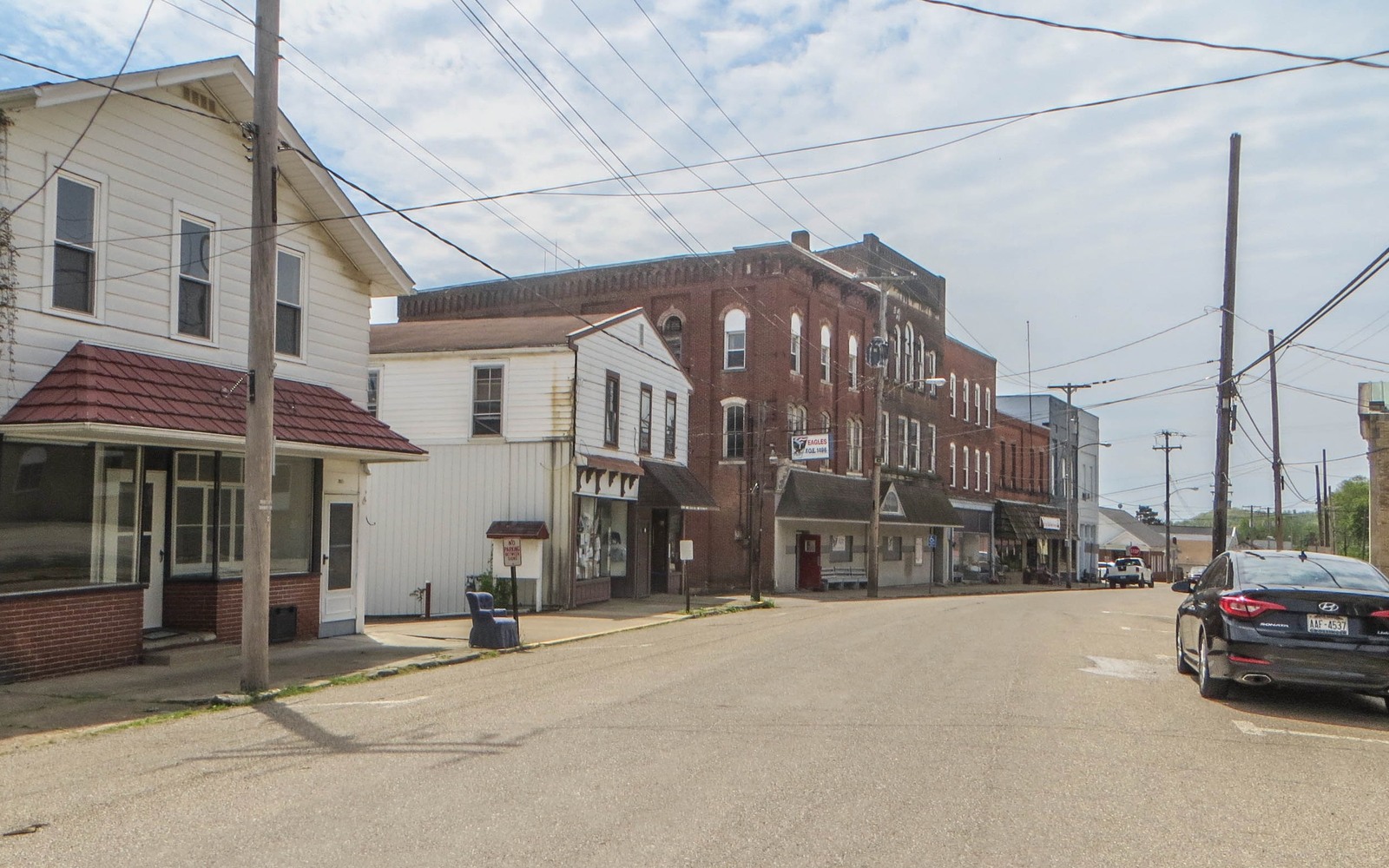
Leetonia was one of Ohio's earliest coal and iron towns, and that industrial past means mineral title research here often involves more than one historical severance to untangle.
Leetonia is a village in Columbiana County that grew up around coal mining and iron production in the mid-1800s, among the earliest industrial communities in this part of the state. Sitting on the flank of the Utica/Point Pleasant fairway, drilling activity around Leetonia has been limited in the modern shale era, but the area's older industrial land history means mineral reservations here can be genuinely layered, coal severed separately from oil and gas, sometimes decades apart and to different parties.
Coal and iron-era severances layered under later deeds
Because Leetonia's economy ran on coal and iron from an early date, land here frequently changed hands through mining-company transactions well before any farm-family deed came into the picture. Sorting out exactly what your family's mineral reservation covers, and confirming it's still intact, requires reading the actual recorded instruments at the Columbiana County Recorder's office in Lisbon rather than assuming based on a neighboring parcel's history.
Flank-position value with limited modern drilling
With little horizontal development directly around Leetonia, most unleased interests here are valued against comparable activity elsewhere on the Utica flank rather than local production. If you do hold a lease or have received any royalty payment, that documentation is the fastest way to move from a rough estimate to a grounded number.
Begin with the local record trail
A mineral review in the county starts with the county recorder, legal description, deed chain, reservations, affidavits, notices, lease, units, division orders, payor records, statements, and Ohio well data.
Route Ohio title questions correctly
Probate, marital property, dormant-mineral procedure, pooling, recording, transfer, regulatory filings, and payor notices can change the file in the county. Qualified advisers should review legal and tax questions.
Keep the local review tract-specific
Use local context as a prompt, not a valuation shortcut. The county mineral docket then reconciles the exact tract against gross and net acres, ownership fraction, recorded notices, producing and inactive wells, paid decimal, recent statements, lease burdens, title exceptions, and the complete written offer.