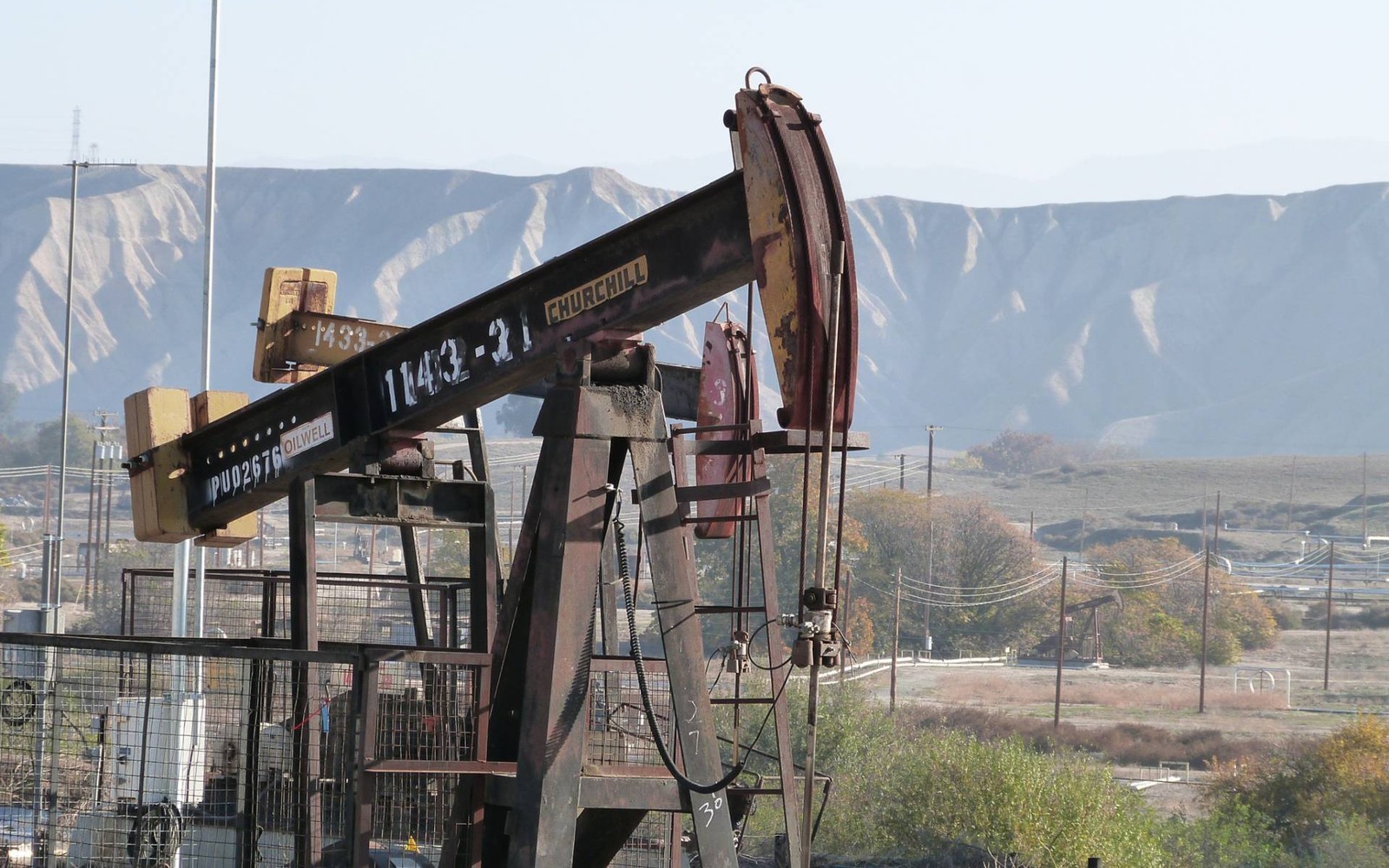
Macksburg was one of the epicenters of Ohio's original 1860s oil boom, decades before anyone had heard the word 'shale,' and that history still shapes how mineral title looks here today.
Few places in Ohio have an oil history as long as Macksburg's. Wells were drilled here in the 1860s, not long after Ohio's first commercial oil discoveries, and the area saw multiple boom-and-bust cycles through the early 20th century before modern Utica-era leasing ever arrived. That depth of history is a blessing and a curse for mineral owners: it usually means clear evidence that oil and gas activity has touched the land, but it also means title records can be genuinely old and messy.
A century and a half of leases on the same ground
It's not unusual for a Macksburg-area tract to have three or four historical leases stacked in the record, some from the 1800s, some from a mid-20th-century revival, and possibly a more recent one from the Utica era. Sorting out which of those, if any, is still legally active takes real title work, and it's the kind of thing worth doing before you assume your minerals are either locked up or free and clear.
Shallow legacy wells versus deep shale rights
Almost all of Macksburg's historic production came from shallow sands, not the deep Point Pleasant formation that modern operators target. That means your shallow rights may carry a very different lease history than your deep rights, and a buyer evaluating your interest will want to know which formations are actually covered by whatever lease, if any, currently exists.
Confirming ownership at the Washington County Recorder
Given how much history sits on top of Macksburg-area land, a title search at the Washington County Recorder's office in Marietta is close to mandatory before selling. You're looking for the current status of any lease, evidence of severance from the surface, and a clean chain of title through however many generations your family's ownership has passed.
Begin with the local record trail
A mineral review in the county starts with the county recorder, legal description, deed chain, reservations, affidavits, notices, lease, units, division orders, payor records, statements, and Ohio well data.
Route Ohio title questions correctly
Probate, marital property, dormant-mineral procedure, pooling, recording, transfer, regulatory filings, and payor notices can change the file in the county. Qualified advisers should review legal and tax questions.
Keep the local review tract-specific
Use local context as a prompt, not a valuation shortcut. The county mineral docket then reconciles the exact tract against gross and net acres, ownership fraction, recorded notices, producing and inactive wells, paid decimal, recent statements, lease burdens, title exceptions, and the complete written offer.