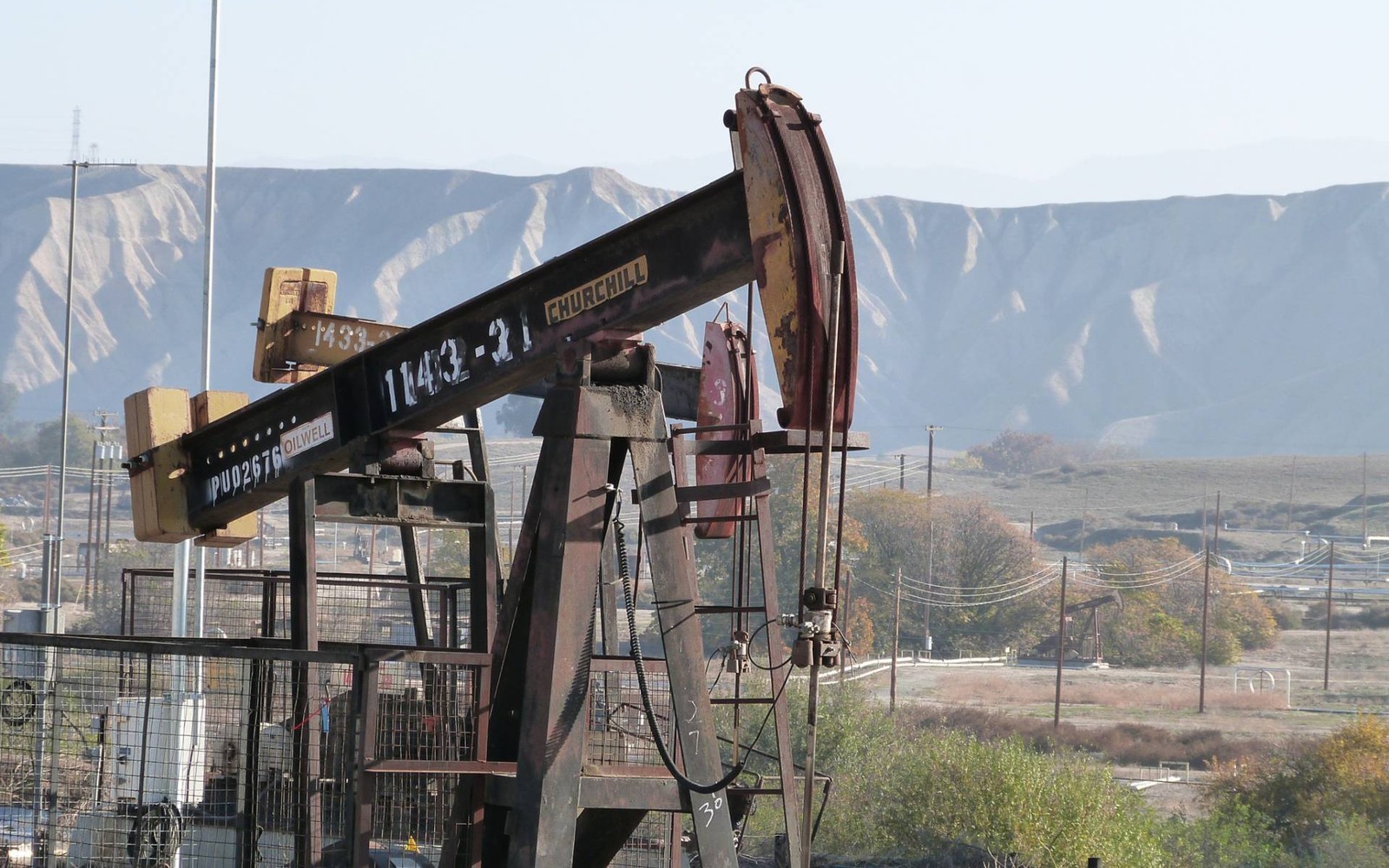
Midvale is a small community in Tuscarawas County, an area long associated with coal mining as much as oil and gas, which means mineral ownership here can involve more than one kind of subsurface right.
Tuscarawas County's mineral history isn't only oil and gas. Coal mining shaped a lot of this region for generations, and it's not unusual for a single tract near Midvale to have separate historical severances for coal rights and for oil and gas rights, sometimes to different parties entirely. Sorting out which rights you actually own, and which you don't, matters before you talk to anyone about selling.
Coal rights versus oil and gas rights
If your deed mentions 'minerals' broadly, it's worth clarifying whether that historically included coal, which was often severed separately and earlier than oil and gas rights in this part of Ohio. A buyer interested in your oil and gas rights only needs to know that those specific rights are intact and in your name, regardless of what happened to any coal severance decades ago.
Tuscarawas County's position on the Utica flank
Tuscarawas sits on the flank of the Utica/Point Pleasant play, west of the thicker core in Carroll and Harrison counties. Activity here has been more selective, so value on a Midvale-area tract depends heavily on how close your specific parcel is to any recent permits or producing units.
Confirming your rights at the Tuscarawas County Recorder
The Tuscarawas County Recorder's office in New Philadelphia holds the severance, deed, and lease records for the Midvale area. Given the region's mixed coal and oil-and-gas history, it's worth being specific when you request records: ask for both mineral and oil-and-gas severance documents so nothing gets missed.
Begin with the local record trail
A mineral review in the county starts with the county recorder, legal description, deed chain, reservations, affidavits, notices, lease, units, division orders, payor records, statements, and Ohio well data.
Route Ohio title questions correctly
Probate, marital property, dormant-mineral procedure, pooling, recording, transfer, regulatory filings, and payor notices can change the file in the county. Qualified advisers should review legal and tax questions.
Keep the local review tract-specific
Use local context as a prompt, not a valuation shortcut. The county mineral docket then reconciles the exact tract against gross and net acres, ownership fraction, recorded notices, producing and inactive wells, paid decimal, recent statements, lease burdens, title exceptions, and the complete written offer.