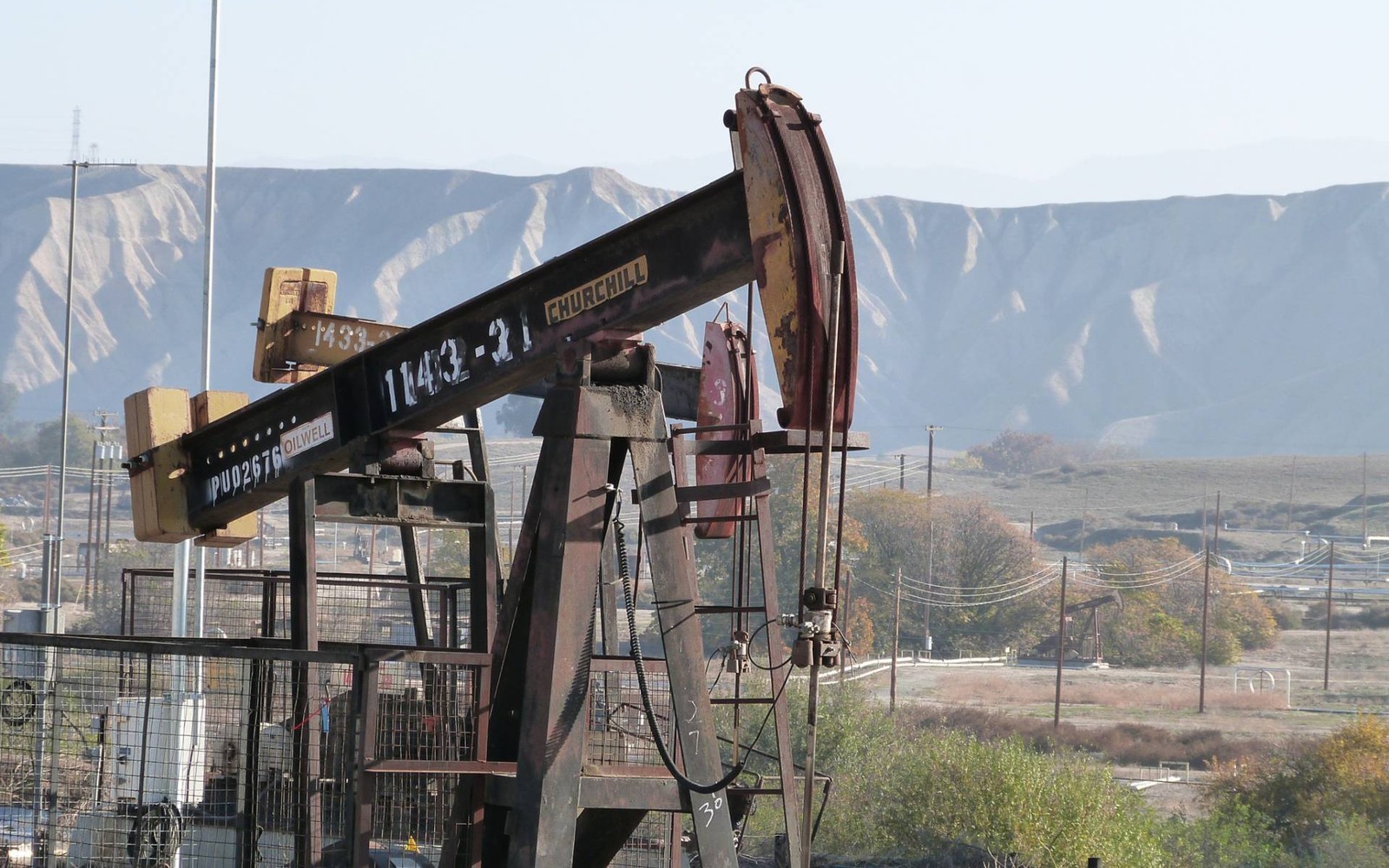
Morristown sits along the you-70 corridor in Belmont County, well inside the thick core of the Utica/Point Pleasant play, in an area that's seen consistent horizontal drilling activity for over a decade.
Belmont County's Utica development has followed the highway and rail corridors as much as anything, and Morristown's location along you-70 put it in the path of early leasing and, later, actual drilling. If you own mineral rights near Morristown, it's worth treating this as an area where checking for an existing lease or unit designation should come before any assumption about value.
Highway-corridor drilling and what it means for nearby land
Operators building out drilling programs in Belmont County often prioritized acreage near existing infrastructure, including the you-70 corridor near Morristown, since pipeline and road access reduces development cost. That practical reality means land here was among the earlier acreage leased and developed in the county's Utica history.
Checking whether your parcel is inside a producing unit
Given the corridor's development history, confirm early whether your Morristown-area parcel is inside an existing drilling unit. If it is, you should have a division order on file; if you've never seen one, check with the Belmont County Recorder's office in St. Clairsville for unit designations that might include your property.
What a strong local track record means for negotiating
Because Belmont County has such a long production history along this corridor, buyers can price a Morristown-area interest with more confidence than they could in a quieter county, using actual nearby well data rather than speculation. That data cuts both ways: it makes strong producing interests easier to value accurately, and it makes unrealistic price expectations easier to check against real numbers.
Begin with the local record trail
A mineral review in the county starts with the county recorder, legal description, deed chain, reservations, affidavits, notices, lease, units, division orders, payor records, statements, and Ohio well data.
Route Ohio title questions correctly
Probate, marital property, dormant-mineral procedure, pooling, recording, transfer, regulatory filings, and payor notices can change the file in the county. Qualified advisers should review legal and tax questions.
Keep the local review tract-specific
Use local context as a prompt, not a valuation shortcut. The county mineral docket then reconciles the exact tract against gross and net acres, ownership fraction, recorded notices, producing and inactive wells, paid decimal, recent statements, lease burdens, title exceptions, and the complete written offer.