
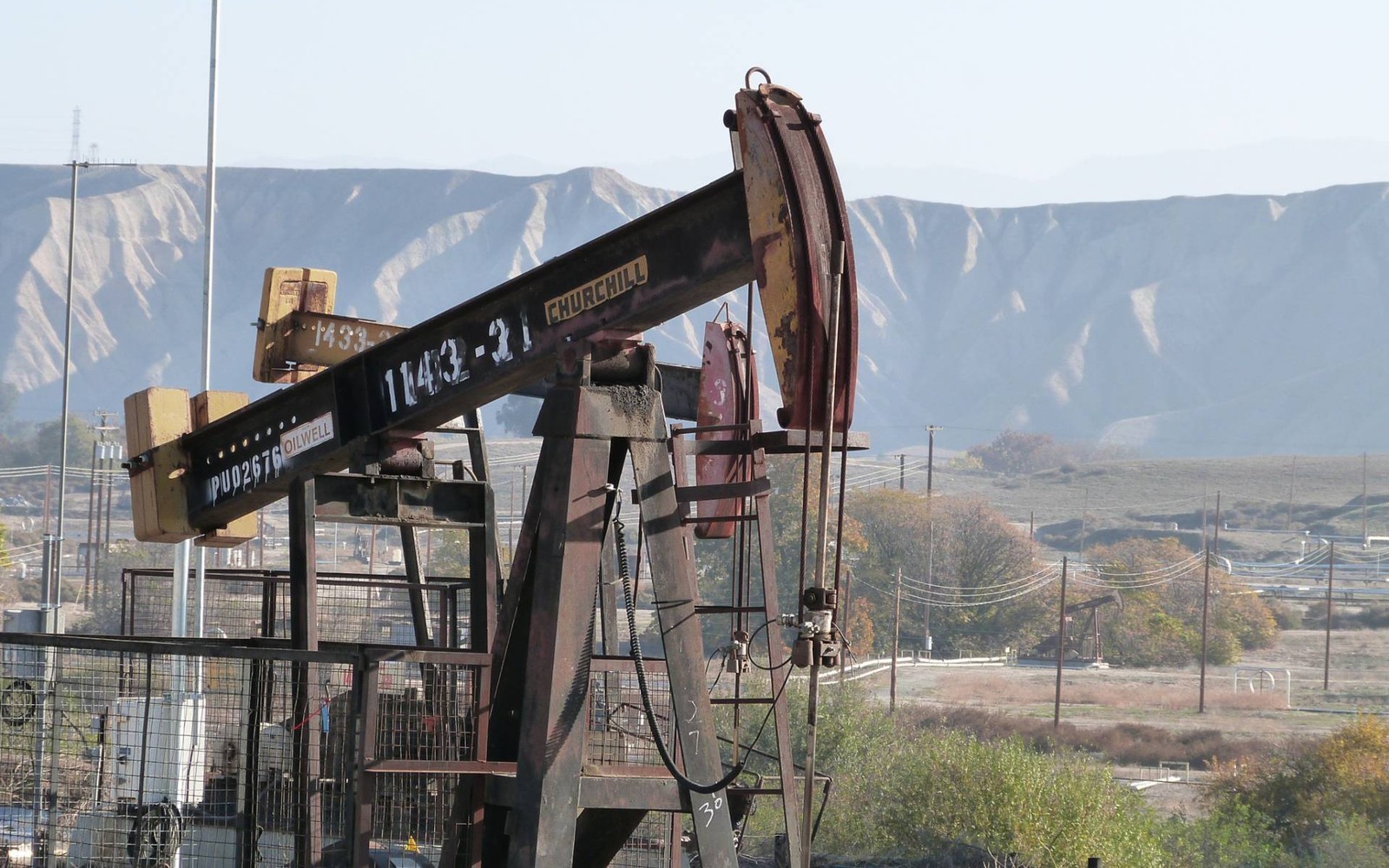
Does Reno have old oil and gas lease history?
Possibly, given Washington County's deep oil and gas roots dating to the 1800s. Any old leases on record are worth confirming as expired or active before assuming your minerals are unencumbered.
Reno is a small unincorporated community along the Muskingum River in Washington County, on the flank of the Utica/Point Pleasant play, in a part of Ohio with oil and gas roots going back to the 1800s.
Washington County's deep oil history means even a small community like Reno can have older lease filings on record, layered underneath whatever modern activity, if any, has occurred more recently. Sorting through that history is the practical first step for any mineral owner here.
Land near Reno may carry historical lease filings from earlier oil and gas booms in Washington County, most of which are likely expired by now but still worth confirming rather than assuming. An expired lease means your minerals are open again for a new agreement.
Modern Utica/Point Pleasant development has generally been lighter in this part of Washington County than in core counties further east. Value on a Reno-area tract depends on proximity to whatever active units exist nearby.
The Washington County Recorder's office in Marietta holds deed and lease history for Reno-area land. Given the depth of this county's oil and gas past, a full title search is the safer approach before any sale conversation.
A mineral review in the county starts with the county recorder, legal description, deed chain, reservations, affidavits, notices, lease, units, division orders, payor records, statements, and Ohio well data.
Probate, marital property, dormant-mineral procedure, pooling, recording, transfer, regulatory filings, and payor notices can change the file in the county. Qualified advisers should review legal and tax questions.
Use local context as a prompt, not a valuation shortcut. The county mineral docket then reconciles the exact tract against gross and net acres, ownership fraction, recorded notices, producing and inactive wells, paid decimal, recent statements, lease burdens, title exceptions, and the complete written offer.
Questions Ohio owners ask
Possibly, given Washington County's deep oil and gas roots dating to the 1800s. Any old leases on record are worth confirming as expired or active before assuming your minerals are unencumbered.
No, it's generally in the flank position. The thicker core lies further east in counties like Belmont and Monroe.
The Washington County Recorder's office in Marietta holds deed and lease records for the entire county.
It's possible, given Washington County's long production history. An old, low-volume or plugged well doesn't necessarily affect your deep Utica rights, but it's worth identifying during a title check.
It's possible even if production is minimal, since Ohio law doesn't require a minimum volume to keep a well legally producing. Check with the Ohio Department of Natural Resources for the well's current status and filing history.
Keep reading before you sign
Richmond sits in Jefferson County's Utica flank. Learn how this small village's mineral rights typically get evaluated before a sale.
Own oil and gas or mineral rights near Rogers, Columbiana County? Learn how flank-position Utica interests are valued and how to get a no-pressure cash offer.
Own minerals near Roswell in Tuscarawas County? See how Utica flank position, old severed deeds, and royalty history shape a fair cash offer for your share.
Put your county record in front of a buyer
Share the Ohio county, owner name, interest type, producing status, available statements, and the decision that needs a clearer answer.