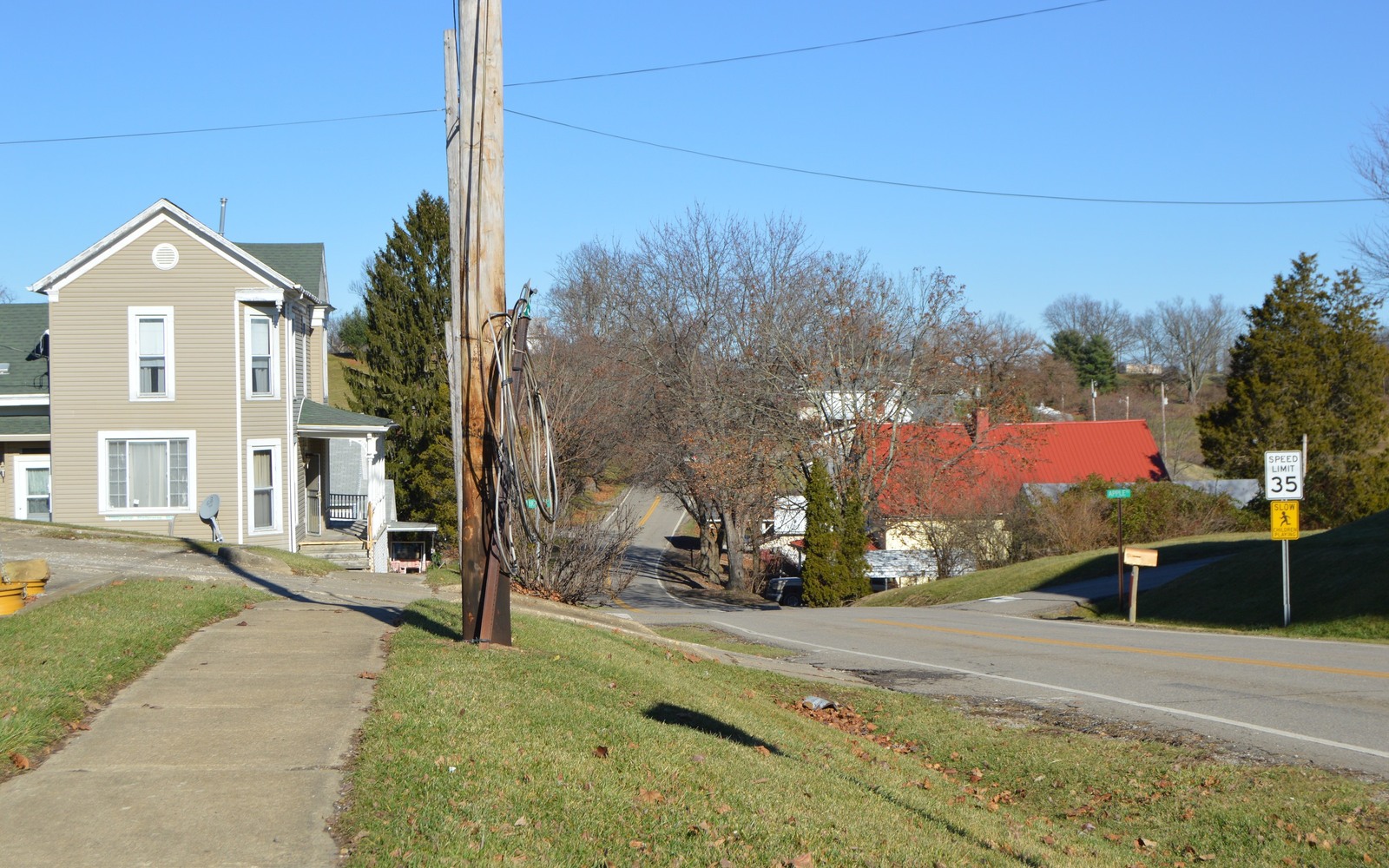
Noble County has been the setting for some of the actual court cases that shaped how Ohio's Dormant Mineral Act works today, and Summerfield sits right in the middle of that legal geography.
Summerfield is a small village in Noble County, deep in the Utica/Point Pleasant core. Noble County land has been the subject of real Dormant Mineral Act litigation over the past decade, as surface owners and mineral heirs sorted out who actually held rights to interests that had gone unused for decades before shale drilling made them valuable again.
If your family's mineral interest near Summerfield has an unclear or disputed history, understanding how Ohio courts have actually applied the DMA is more useful than general assumptions about what the law says.
Dodd v. Croskey and what it clarified
Dodd v. Croskey, decided by Ohio's Seventh District Court of Appeals in 2013, addressed how the 1989 version of the Dormant Mineral Act applied to a Guernsey County interest and helped establish that the statute's notice and preservation requirements had to be followed precisely for a claim of abandonment to succeed.
That case, along with several others out of eastern Ohio's Seventh District, built the body of precedent that the Ohio Supreme Court later relied on in Corban v. Chesapeake to clarify that the 2006 amended version governs going forward, not automatic reversion under the older law.
What this means for an interest near Summerfield
If someone has claimed your family's mineral interest near Summerfield is abandoned, the specific facts matter enormously: when was notice given, was it done correctly, had there been any qualifying use like production or a recorded lease in the prior 20 years. General assumptions about dormancy do not settle these questions; the recorded documents do.
We review the Noble County Recorder's records as part of any offer to confirm there is no unresolved dormancy claim or open notice period affecting your interest before we quote a price.
Selling a confirmed, clean interest
Once your ownership is confirmed and no dormancy issue is outstanding, pricing follows the same approach as any other Noble County core interest, weighing lease status, nearby production, and current activity.
If a dormancy dispute is active, we can still discuss your situation, but resolving the title question, sometimes with an attorney's help, typically needs to happen before a clean sale can close.
Begin with the local record trail
A mineral review in the county starts with the county recorder, legal description, deed chain, reservations, affidavits, notices, lease, units, division orders, payor records, statements, and Ohio well data.
Route Ohio title questions correctly
Probate, marital property, dormant-mineral procedure, pooling, recording, transfer, regulatory filings, and payor notices can change the file in the county. Qualified advisers should review legal and tax questions.
Keep the local review tract-specific
Use local context as a prompt, not a valuation shortcut. The county mineral docket then reconciles the exact tract against gross and net acres, ownership fraction, recorded notices, producing and inactive wells, paid decimal, recent statements, lease burdens, title exceptions, and the complete written offer.