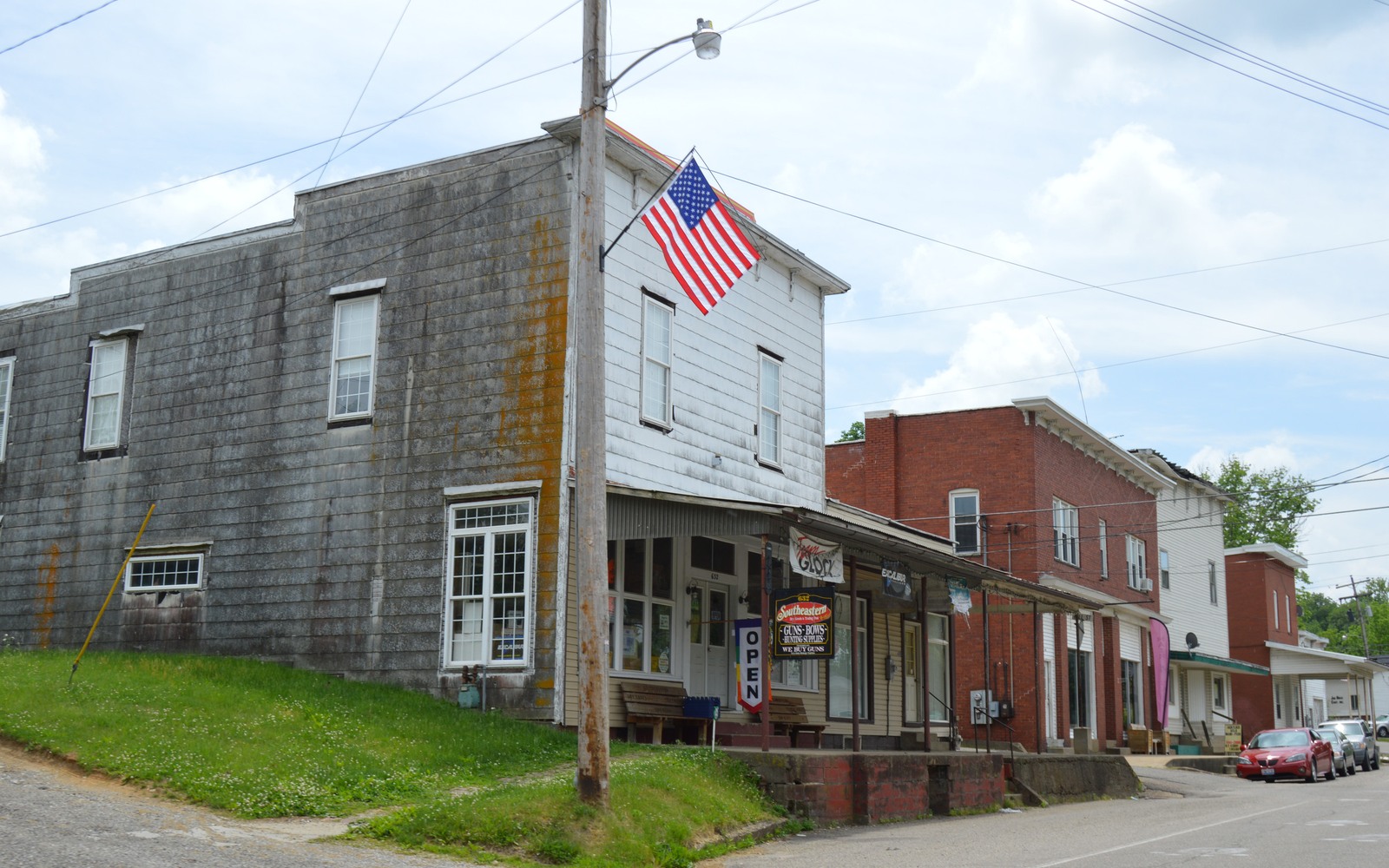
Waterford Township sits in a corner of Washington County where oil derricks were a familiar sight generations before anyone in Ohio had heard the word shale, and that older history still shapes what a mineral deed here actually covers.
Waterford is an unincorporated community in Washington County, part of the flank of the modern Utica/Point Pleasant play but also within reach of the historic oil-producing region that made this part of southeastern Ohio significant as early as the 1860s. The township's land history includes both shallow conventional wells from that earlier era and, more recently, permitting tied to the deeper shale play.
For owners near Waterford, sorting out which category your mineral interest falls into, old shallow rights, modern deep rights, or both, is the first real step toward understanding its value.
Old wells and what remains of their records
Shallow conventional wells drilled near Waterford in earlier decades targeted formations well above the deep Utica/Point Pleasant shale. Some of these wells were plugged long ago, and their historical production records exist separately from modern permit data.
If your family's interest has any documented connection to this older activity, whether through an old lease, a small legacy royalty, or family memory of a well on the property, that history is worth confirming through Ohio Department of Natural Resources well files.
Modern flank-position activity
Washington County sits on the flank of the modern Utica play, and permitting activity has been more selective here than in the deep core counties to the north. We check current records for the specific township around Waterford before discussing what a modern deep-rights interest might be worth.
It is entirely possible for a parcel near Waterford to have old shallow production history but no current deep-shale activity, or the reverse, and we evaluate both separately.
Selling a Waterford-area interest
Once we understand which type of activity, if any, applies to your interest, we put together a written offer reflecting the documented history and current conditions, always in hedged terms tied to real data.
A title search through the Washington County Recorder's office in Marietta confirms your exact ownership percentage before any offer is finalized.
Begin with the local record trail
A mineral review in the county starts with the county recorder, legal description, deed chain, reservations, affidavits, notices, lease, units, division orders, payor records, statements, and Ohio well data.
Route Ohio title questions correctly
Probate, marital property, dormant-mineral procedure, pooling, recording, transfer, regulatory filings, and payor notices can change the file in the county. Qualified advisers should review legal and tax questions.
Keep the local review tract-specific
Use local context as a prompt, not a valuation shortcut. The county mineral docket then reconciles the exact tract against gross and net acres, ownership fraction, recorded notices, producing and inactive wells, paid decimal, recent statements, lease burdens, title exceptions, and the complete written offer.