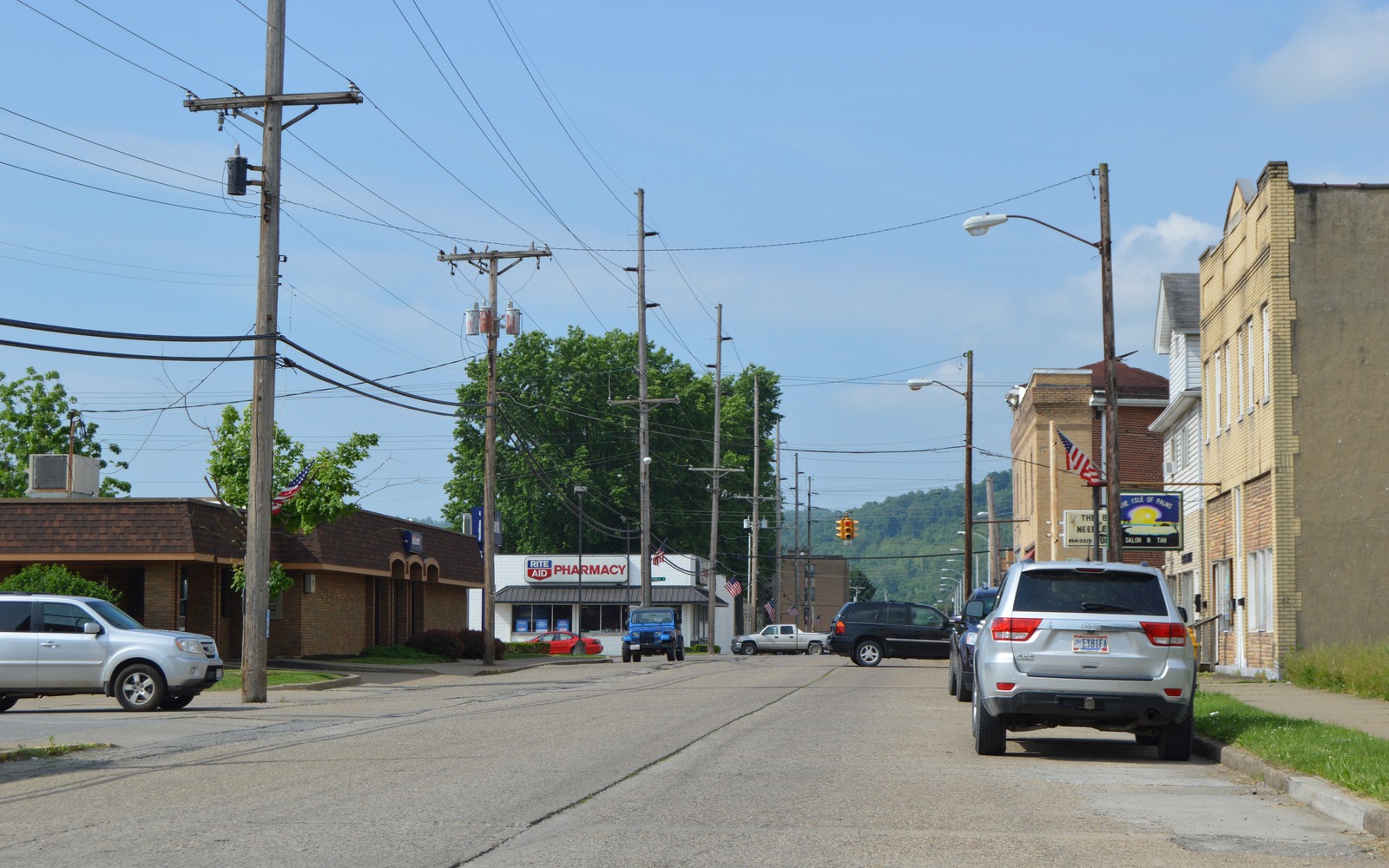
Yorkville spent generations as a coal and steel river town, and the shift toward gas has meant that some families here are only now discovering the oil and gas rights sitting alongside coal interests reserved decades earlier.
Yorkville is a small river community in Belmont County, part of the Utica/Point Pleasant core that has seen sustained horizontal drilling activity for over a decade. Like much of the Ohio River corridor in this county, Yorkville's land history is layered with coal mining reservations from an earlier industrial era, sitting alongside more recent oil and gas activity.
For families near Yorkville, sorting out exactly which mineral rights, coal, oil and gas, or both, they actually hold is often the first real step before any conversation about selling.
Coal reservations versus oil and gas rights
Older deeds in this part of Belmont County frequently reserved coal separately from oil and gas, sometimes to different parties entirely, as coal mining predated shale drilling by many decades. A deed reserving coal does not automatically include the oil and gas rights, and the reverse is also true.
We review the specific language in your family's deed to confirm exactly which rights were reserved and to whom, rather than assuming based on the area's general industrial history.
Core Utica activity near Yorkville
Belmont County has drawn sustained multi-well pad development, and river-corridor communities like Yorkville sit within that broader activity. Parcels here that fall within active units carry real production data that a buyer can evaluate directly.
We check current Ohio Department of Natural Resources permit and production records for the specific township before quoting, since even within Belmont County activity varies by section.
Selling an oil and gas interest near Yorkville
Once we confirm your oil and gas mineral interest is separate and clear from any coal reservations, we put together a written offer based on your documented ownership, lease status, and nearby activity.
This process does not involve or affect any separate coal rights that may exist on the same original tract.
Begin with the local record trail
A mineral review in the county starts with the county recorder, legal description, deed chain, reservations, affidavits, notices, lease, units, division orders, payor records, statements, and Ohio well data.
Route Ohio title questions correctly
Probate, marital property, dormant-mineral procedure, pooling, recording, transfer, regulatory filings, and payor notices can change the file in the county. Qualified advisers should review legal and tax questions.
Keep the local review tract-specific
Use local context as a prompt, not a valuation shortcut. The county mineral docket then reconciles the exact tract against gross and net acres, ownership fraction, recorded notices, producing and inactive wells, paid decimal, recent statements, lease burdens, title exceptions, and the complete written offer.