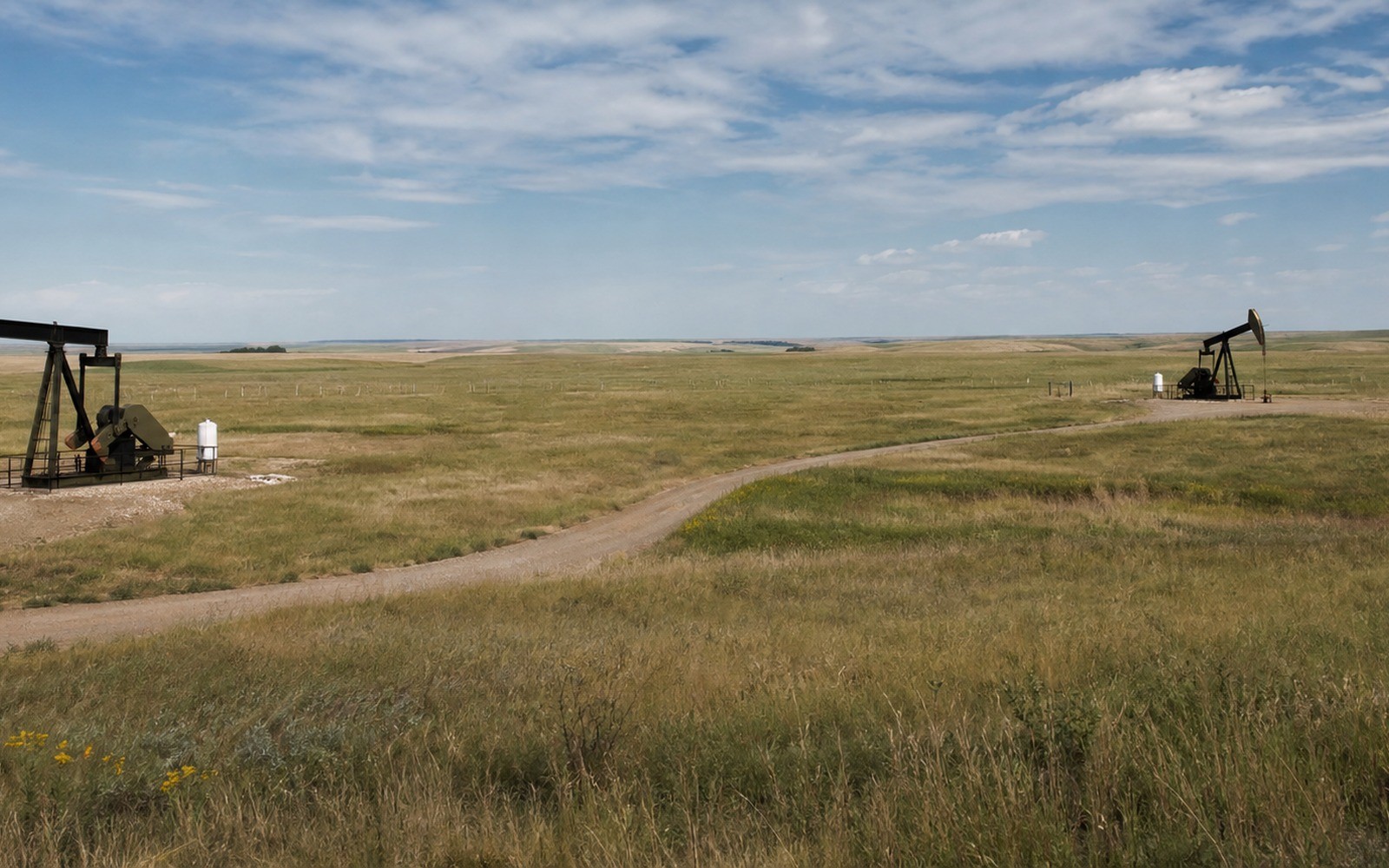
Minerals that have never produced a dime aren't worthless, but they're also the interests most exposed to Ohio's use-it-or-lose-it mineral law.
A lot of Ohio mineral owners fall into this category without realizing there's even a name for it: no well has ever been drilled on the tract, and there's no lease currently in place, either because one was never signed or because an old lease expired years ago and was never renewed. The interest just sits there, unattached to any income, quietly attached to the deed.
Non-producing doesn't mean unimportant. It's actually one of the situations where Ohio owners need to pay closest attention, because this is exactly the category the Dormant Mineral Act was written to address.
The clock that's always running in the background
Ohio's Dormant Mineral Act allows a severed mineral interest to be deemed abandoned, and reunited with the surface estate, if it goes twenty consecutive years without a savings event. A savings event includes things like actual production, a filed claim to preserve the interest, a recorded lease, or an actual mining or drilling permit tied to the interest. If your minerals haven't been leased, produced, or touched with any recorded document in two decades, a surface owner has a legal path to claim them.
This is the mechanism that makes non-producing minerals genuinely different from producing or leased ones. The interest itself doesn't decay, but the legal right to it can, if the paperwork trail goes quiet for too long. Owners of non-producing interests are the group most likely to benefit from proactively filing a preservation claim in the county recorder's office, which resets the clock without requiring any drilling activity at all.
Why buyers still want non-producing acreage
Even with no current income, non-producing minerals in an active or historically active Ohio county carry real speculative value, especially in counties touching the Utica/Point Pleasant core or the older Clinton sandstone trend. Buyers who purchase these interests are typically betting on future leasing activity, either because operators are actively expanding units nearby or because the tract sits in a play that historically comes back into favor as commodity prices shift.
That speculative nature means non-producing minerals are priced conservatively compared to producing or even leased interests. There's no royalty check to point to, so value depends heavily on the county's drilling history, how close active units are to your specific tract, and how much competitive leasing activity has occurred nearby in the past few years.
Checking whether your interest is exposed
Before deciding what to do with a non-producing interest, it's worth pulling the recorded history on the tract at the county recorder's office. You're looking for the original severance deed, any leases ever signed against it, and whether a preservation claim or abandonment notice has already been filed by anyone. If a surface owner has already started an abandonment proceeding, that changes the timeline and the urgency considerably.
If the interest has genuinely sat untouched for close to twenty years or more, filing a simple preservation claim, sometimes called an affidavit of preservation, is a straightforward way to protect the interest before doing anything else with it, whether that's selling, leasing, or simply holding for the next generation.
Selling versus preserving versus waiting
For owners who don't want to manage an ongoing paperwork obligation every few decades, selling a non-producing interest converts an uncertain future asset into a known amount now, without needing to track leasing cycles or Dormant Mineral Act deadlines going forward. For owners confident the county will see renewed drilling interest and willing to file preservation claims as needed, holding remains a reasonable choice too.
There's no universally right answer here, it depends on how actively you want to manage the interest, how confident you are about future drilling in your specific county, and whether the paperwork burden of holding is worth the potential upside.