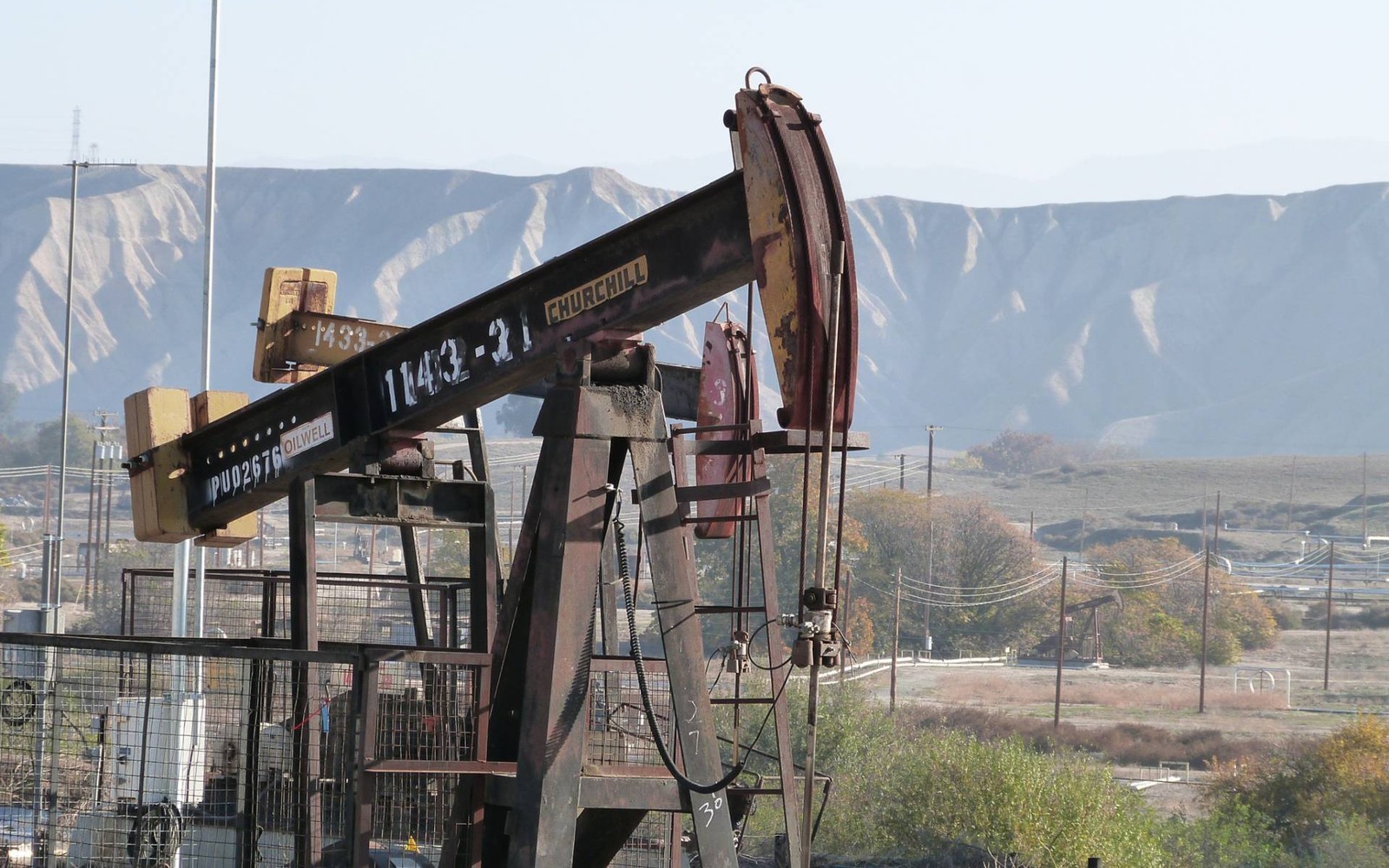
Bellaire sits on the Ohio River across from Wheeling, in a stretch of Belmont County that has become one of the most heavily invested corners of the Utica play.
Bellaire's location matters for mineral owners in a way that goes beyond geology. This part of Belmont County has attracted significant midstream investment, gathering lines, processing facilities, and pipeline capacity built specifically to move the volume coming out of the surrounding wells, and that infrastructure tends to support steadier development and more consistent royalty payments over time.
If your family's minerals sit in or near Bellaire, there's a reasonable chance they've been part of the leasing wave that's moved through this river corridor for over a decade. The question is usually less 'is this ground valuable' and more 'what exactly does an Ohio mineral-owning family's paperwork say we own.'
Why the river corridor sees heavier investment
Access to the Ohio River, existing rail and highway infrastructure, and proximity to Wheeling's industrial base made this stretch of Belmont County an attractive place to build the midstream capacity that shale gas needs to actually reach market. For a mineral owner, that infrastructure investment is a signal that operators expect long-term development in the area, which tends to support more stable production over the life of a well.
Confirming your Bellaire-area interest
Belmont County deed and lease records are kept at the recorder's office in St. Clairsville. Because Bellaire has been settled and industrialized far longer than most surrounding rural land, mineral severances here can be older and more layered than a typical farm tract, sometimes tied to historic coal or industrial land transactions rather than a simple agricultural deed.
Pulling your specific deed and any division order is the way to confirm what you hold before getting an offer, rather than relying on general assumptions about the area.
What to do if you've lost track of the paperwork
It's common, especially with interests that passed through an estate years ago, to have no current documentation on hand. That's not a dead end. We can typically work from a title search at the Belmont County Recorder's office and, if the tract is producing, request current division order information from the operator directly.
Begin with the local record trail
A mineral review in the county starts with the county recorder, legal description, deed chain, reservations, affidavits, notices, lease, units, division orders, payor records, statements, and Ohio well data.
Route Ohio title questions correctly
Probate, marital property, dormant-mineral procedure, pooling, recording, transfer, regulatory filings, and payor notices can change the file in the county. Qualified advisers should review legal and tax questions.
Keep the local review tract-specific
Use local context as a prompt, not a valuation shortcut. The county mineral docket then reconciles the exact tract against gross and net acres, ownership fraction, recorded notices, producing and inactive wells, paid decimal, recent statements, lease burdens, title exceptions, and the complete written offer.