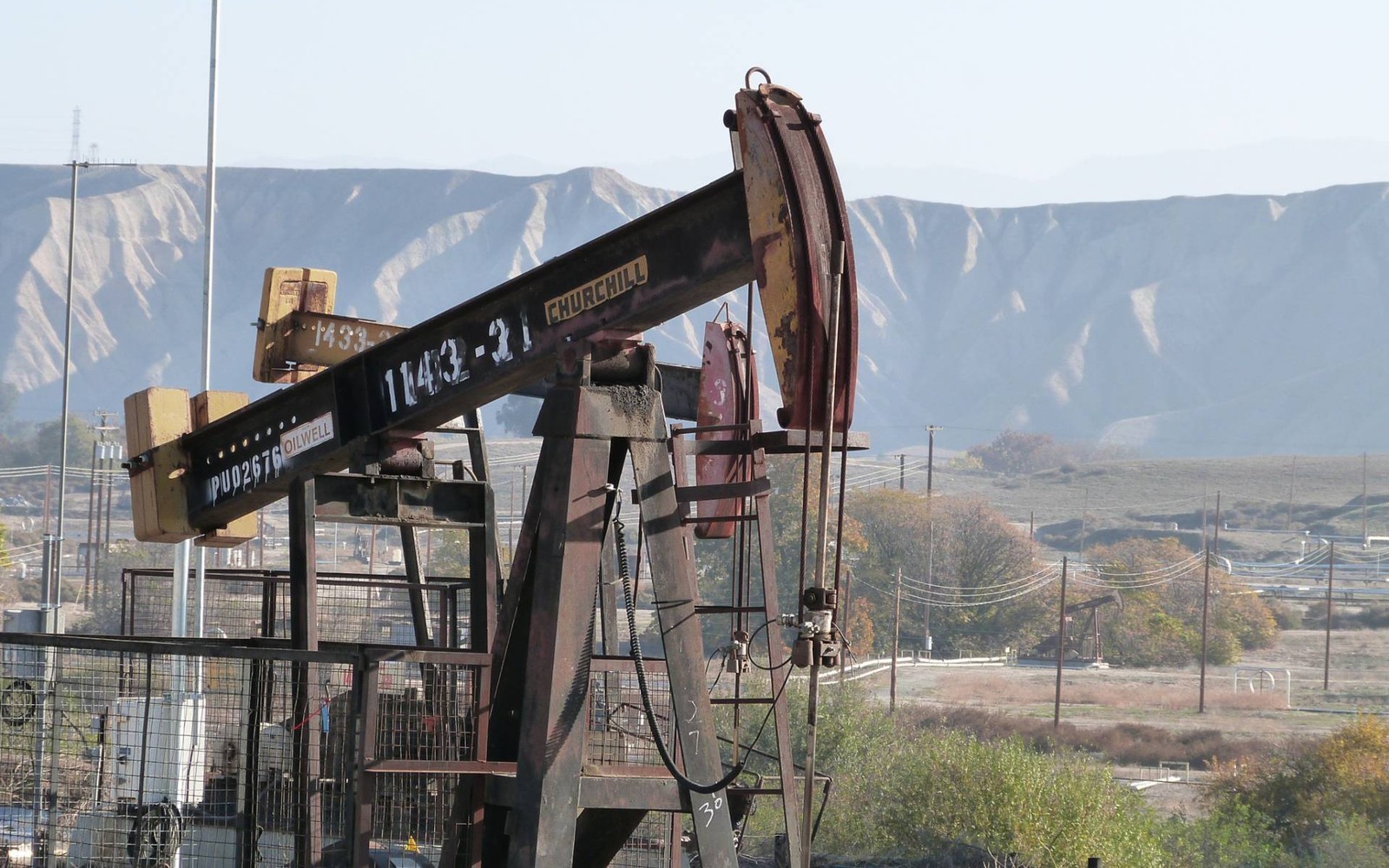
Belle Valley sits along the Duck Creek valley in Noble County, one of the original oil-producing areas of 19th-century Ohio, long before Utica shale existed as a term.
The Duck Creek field around Belle Valley was drilled with cable-tool rigs generations before horizontal shale wells existed, and that history shapes what mineral ownership looks like here today. It's common to find a tract with two, sometimes three, separate mineral severances stacked over more than a century, an old shallow-well lease from decades ago sitting alongside more recent Utica activity targeting rock thousands of feet deeper.
If you've inherited minerals in this area, the paperwork can be genuinely old, handwritten deeds, faded lease assignments, estate records from the early 1900s. None of that makes the interest unsellable, it just means the title work takes a bit more care to get right.
Sorting old severances from modern rights
The first question on a Belle Valley-area tract is usually which formation any existing lease actually covers. A shallow lease tied to old Duck Creek production doesn't necessarily control the deeper Utica/Point Pleasant rights, and vice versa. A title search at the Noble County Recorder in Caldwell will show the full chain, including whether an old severance ever happened and whether it's still in force.
If your family kept any of the original paperwork, even partial, it can help establish dates and terms that speed up a modern title search considerably.
Current Utica activity in the area
Noble County remains core Utica ground, and horizontal development has continued in and around Belle Valley for years. If your tract is part of a modern spacing unit, your division order and royalty statements establish current value far more reliably than the area's oil history does on its own.
Watching for dormant mineral exposure
Tracts with century-old severances and long gaps in activity are exactly the profile that can run into Ohio's Dormant Mineral Act. If a mineral interest around Belle Valley sat with no lease, no production, and no recorded claim for a continuous 20-year window, a surface owner has grounds to move for abandonment under ORC 5301.56. Given how old some of the severances here are, checking the recorder's index for any notice filed against your family's name is a reasonable step before assuming the interest is still intact and ready to sell.
Begin with the local record trail
A mineral review in the county starts with the county recorder, legal description, deed chain, reservations, affidavits, notices, lease, units, division orders, payor records, statements, and Ohio well data.
Route Ohio title questions correctly
Probate, marital property, dormant-mineral procedure, pooling, recording, transfer, regulatory filings, and payor notices can change the file in the county. Qualified advisers should review legal and tax questions.
Keep the local review tract-specific
Use local context as a prompt, not a valuation shortcut. The county mineral docket then reconciles the exact tract against gross and net acres, ownership fraction, recorded notices, producing and inactive wells, paid decimal, recent statements, lease burdens, title exceptions, and the complete written offer.