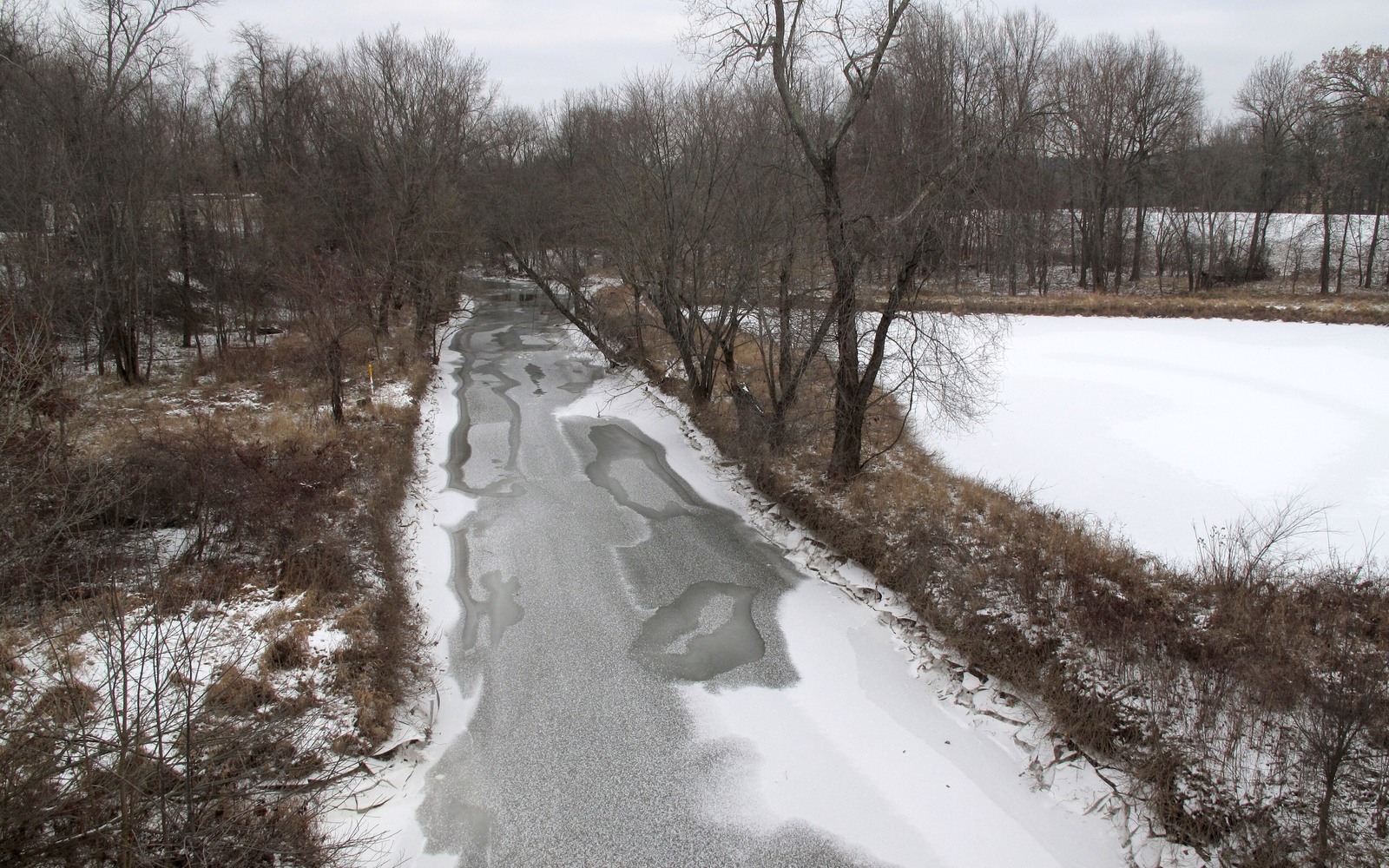
Cambridge is the Guernsey County seat, a town once known for its glassmaking that's spent the past decade becoming a hub for Utica shale infrastructure.
Guernsey County sits at a genuine crossroads for the Utica play, geographically at the intersection of you-70 and you-77, and functionally as a home base for significant midstream processing capacity built to handle the gas coming out of surrounding counties. If your family's minerals are near Cambridge, that infrastructure investment is one of the reasons production in this area has stayed relatively steady.
The county recorder's office here in Cambridge is also where the underlying title work happens, whether your tract is a longtime producer or something your family hasn't touched in years.
Cambridge as a midstream hub
The processing and gathering infrastructure centered on Cambridge over the past decade exists specifically to handle Utica volumes, which supports more reliable takeaway capacity for wells throughout the surrounding area. For mineral owners, that generally means fewer production interruptions tied to pipeline constraints, which shows up as steadier numbers on your royalty statement.
Confirming title at the county seat
Because Cambridge has been settled and developed for so long, some tracts here carry older transactions, including from the town's glassmaking and industrial era, that a title search needs to account for. The Guernsey County Recorder's office holds the full record and is the starting point for confirming what you actually own before any offer is made.
What we need to build a real offer
Your deed or inheritance paperwork, your division order if the tract is producing, and recent royalty statements if you have them are the core documents that let us put together an accurate, written offer rather than a rough guess. If you're missing pieces, we can typically work from a county title search and current operator records instead.
Begin with the local record trail
A mineral review in the county starts with the county recorder, legal description, deed chain, reservations, affidavits, notices, lease, units, division orders, payor records, statements, and Ohio well data.
Route Ohio title questions correctly
Probate, marital property, dormant-mineral procedure, pooling, recording, transfer, regulatory filings, and payor notices can change the file in the county. Qualified advisers should review legal and tax questions.
Keep the local review tract-specific
Use local context as a prompt, not a valuation shortcut. The county mineral docket then reconciles the exact tract against gross and net acres, ownership fraction, recorded notices, producing and inactive wells, paid decimal, recent statements, lease burdens, title exceptions, and the complete written offer.