
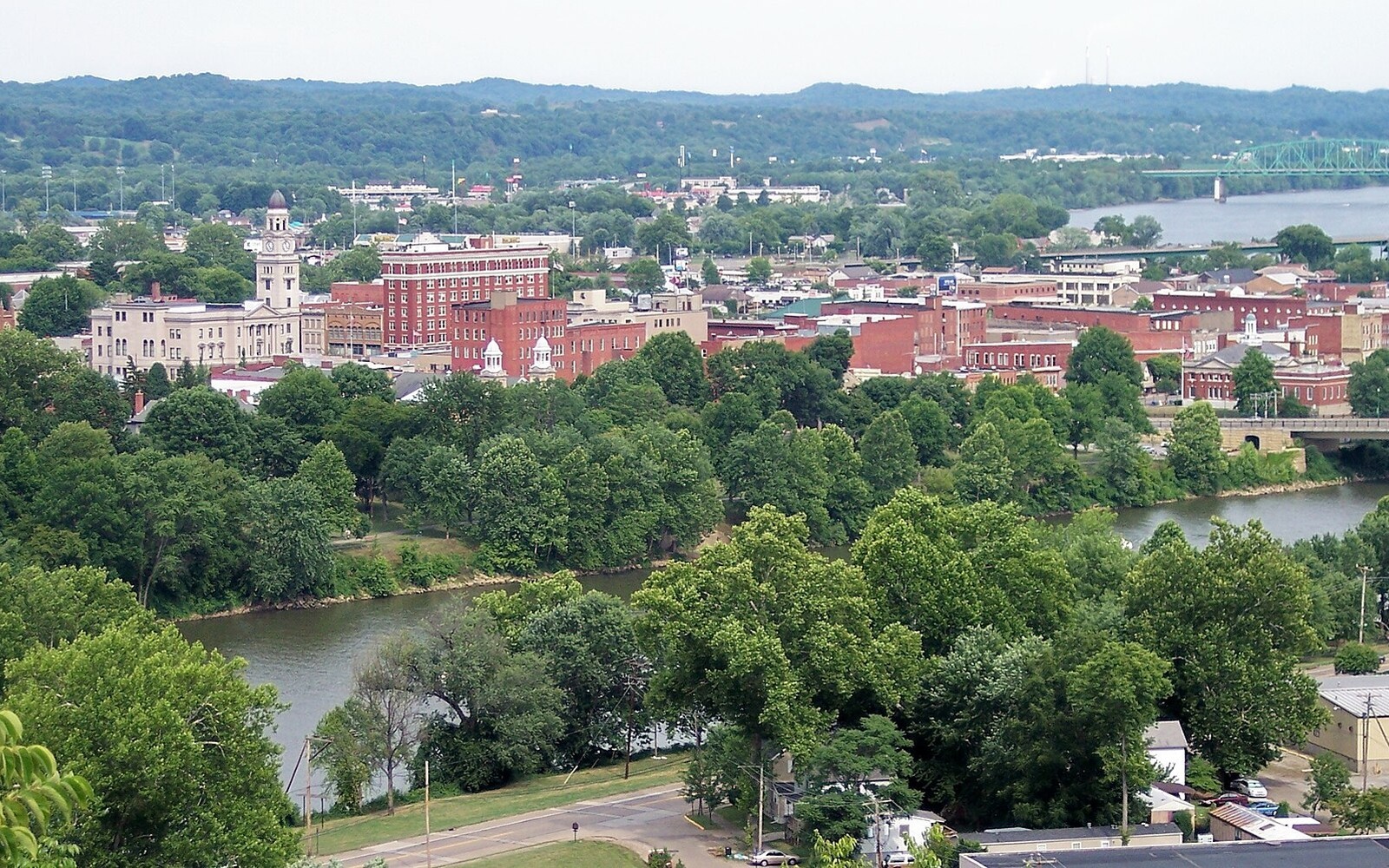
Is Marietta really Ohio's oldest oil-producing area?
It's commonly cited as one of the earliest sites of commercial oil production in Ohio, with a documented history going back to the 1800s, well before the modern Utica shale era.
Marietta is the Washington County seat and, by most accounts, the site of Ohio's earliest commercial oil production, which means mineral title in and around the city can trace back further than almost anywhere else in the state.
Marietta's oil history runs deep, literally back to the 1800s, and that has real consequences for anyone trying to sell mineral rights here today. Between the county's original oil boom, decades of shallow gas production, and the modern Utica/Point Pleasant leasing wave, a single tract near Marietta can carry a genuinely layered ownership and lease history that takes real work to untangle.
Because oil and gas activity here predates the shale era by more than a century, mineral interests around Marietta have frequently been severed, subdivided among heirs, leased, released, and re-leased multiple times. A title search that only goes back 20 or 30 years can easily miss an older reservation that still controls who actually owns the minerals today.
Washington County generally sits on the flank of the current Utica/Point Pleasant play rather than its thickest core, which runs further east through Monroe, Noble, and Belmont counties. That affects value expectations, but Marietta's own long production history, including some Clinton sandstone and Berea sandstone wells, means there's often a separate, older story worth checking too.
Since Marietta is the county seat, the Washington County Recorder's office is right there in town, which makes it a practical first stop for pulling deed, lease, and probate records. Given the age and complexity common to this area's mineral titles, it's worth being thorough rather than assuming a quick search tells the whole story.
A mineral review in the county starts with the county recorder, legal description, deed chain, reservations, affidavits, notices, lease, units, division orders, payor records, statements, and Ohio well data.
Probate, marital property, dormant-mineral procedure, pooling, recording, transfer, regulatory filings, and payor notices can change the file in the county. Qualified advisers should review legal and tax questions.
Use local context as a prompt, not a valuation shortcut. The county mineral docket then reconciles the exact tract against gross and net acres, ownership fraction, recorded notices, producing and inactive wells, paid decimal, recent statements, lease burdens, title exceptions, and the complete written offer.
Questions Ohio owners ask
It's commonly cited as one of the earliest sites of commercial oil production in Ohio, with a documented history going back to the 1800s, well before the modern Utica shale era.
It's generally considered flank acreage. The thickest, most consistently productive part of the play runs further east through Monroe, Noble, and Belmont counties, though Washington County has seen its own modern activity.
Because oil and gas activity in this area predates the shale boom by a century or more, older severances or reservations can still control ownership today even if recent records look clean on the surface.
Keep reading before you sign
New Philadelphia is the Tuscarawas County seat on the Utica flank. Learn how county-seat records and nearby activity shape a mineral rights sale.
Steubenville, the Jefferson County seat, moved from steel to shale gas. See how that transition and Rover Pipeline infrastructure affect mineral rights here.
Own mineral rights near Carrollton, the Carroll County seat where Ohio's Utica shale boom began? Get a clear explanation of value drivers and a cash offer.
Put your county record in front of a buyer
Share the Ohio county, owner name, interest type, producing status, available statements, and the decision that needs a clearer answer.