
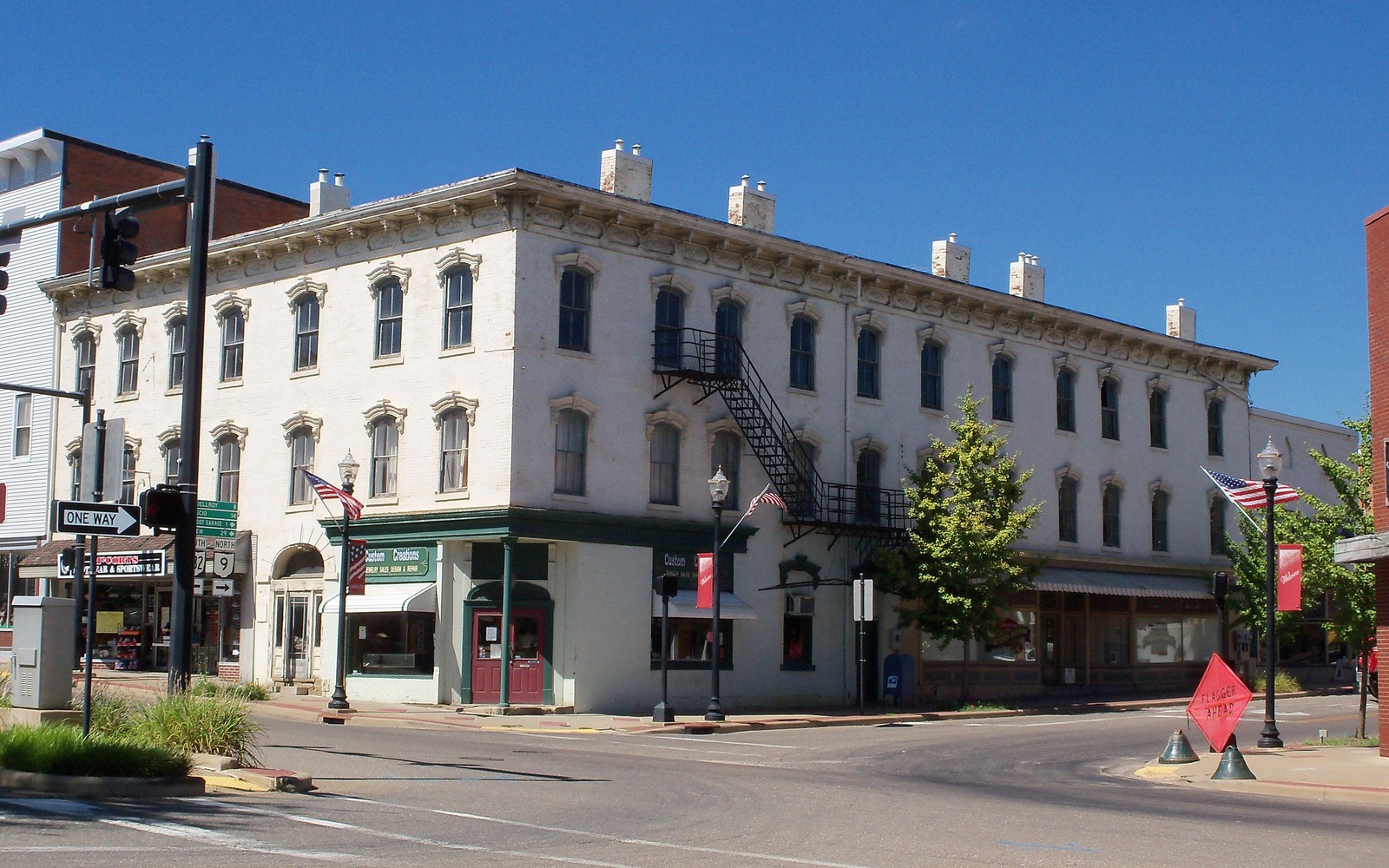
Is it true the first Ohio Utica well was drilled near here?
Yes, Carroll County was where the modern Utica shale boom in Ohio began in 2011, giving the area some of the longest production histories in the state.
Carrollton is the Carroll County seat, and Carroll County has a distinct claim to fame: the very first commercial Utica shale well in Ohio was drilled here in 2011.
That first well, drilled by Chesapeake in a rural township not far from Carrollton, kicked off the modern Utica shale boom across eastern Ohio. It means Carroll County has more history with horizontal Utica development than anywhere else in the state, longer production records, more established spacing units, and mineral owners who've had more time to see exactly how these wells perform over their full life cycle.
If your family owns minerals near Carrollton, there's a real chance your tract has been producing for over a decade now, long enough to have moved well past its initial decline into a longer, steadier tail.
Wells with this much history give a much clearer picture of long-term value than a newly drilled well elsewhere in the play. If your royalty statements go back several years, you can see exactly how the well declined from its initial peak and where it's settled into its longer production tail, information that's genuinely useful when weighing a lump-sum offer against continuing to hold the interest.
With this much drilling history, it's also common for Carrollton-area tracts to have gone through lease renewals, unit amendments, or ownership transfers over the years. A title search at the Carroll County Recorder's office will confirm the current, accurate chain of title rather than relying on paperwork from when the original lease was first signed.
A well into its production tail is valued differently than a newly drilled one, generally with less uncertainty about future performance but also less upside if activity in the unit hasn't been refreshed with newer wells. We'll walk through where your specific tract's production sits before putting together an offer, rather than treating every producing interest the same way.
A mineral review in the county starts with the county recorder, legal description, deed chain, reservations, affidavits, notices, lease, units, division orders, payor records, statements, and Ohio well data.
Probate, marital property, dormant-mineral procedure, pooling, recording, transfer, regulatory filings, and payor notices can change the file in the county. Qualified advisers should review legal and tax questions.
Use local context as a prompt, not a valuation shortcut. The county mineral docket then reconciles the exact tract against gross and net acres, ownership fraction, recorded notices, producing and inactive wells, paid decimal, recent statements, lease burdens, title exceptions, and the complete written offer.
Questions Ohio owners ask
Yes, Carroll County was where the modern Utica shale boom in Ohio began in 2011, giving the area some of the longest production histories in the state.
Not necessarily. Wells settle into a longer, shallower production tail after the initial decline, and that tail can still represent real, if more predictable, value.
Your royalty statements over time show this directly, or the Ohio Department of Natural Resources maintains production data by well that can supplement what you have.
Keep reading before you sign
Own mineral rights near Caldwell, the Noble County seat, in the Utica core? Get a clear explanation of what determines value, plus a straightforward cash offer.
Woodsfield, the Monroe County seat, holds the recorder's records for the deep Utica core surrounding it. See how that courthouse process shapes a sale.
East Liverpool sits in Columbiana County on the Utica flank, a former pottery-industry hub with layered mineral history. See what that means for your interest.
Put your county record in front of a buyer
Share the Ohio county, owner name, interest type, producing status, available statements, and the decision that needs a clearer answer.