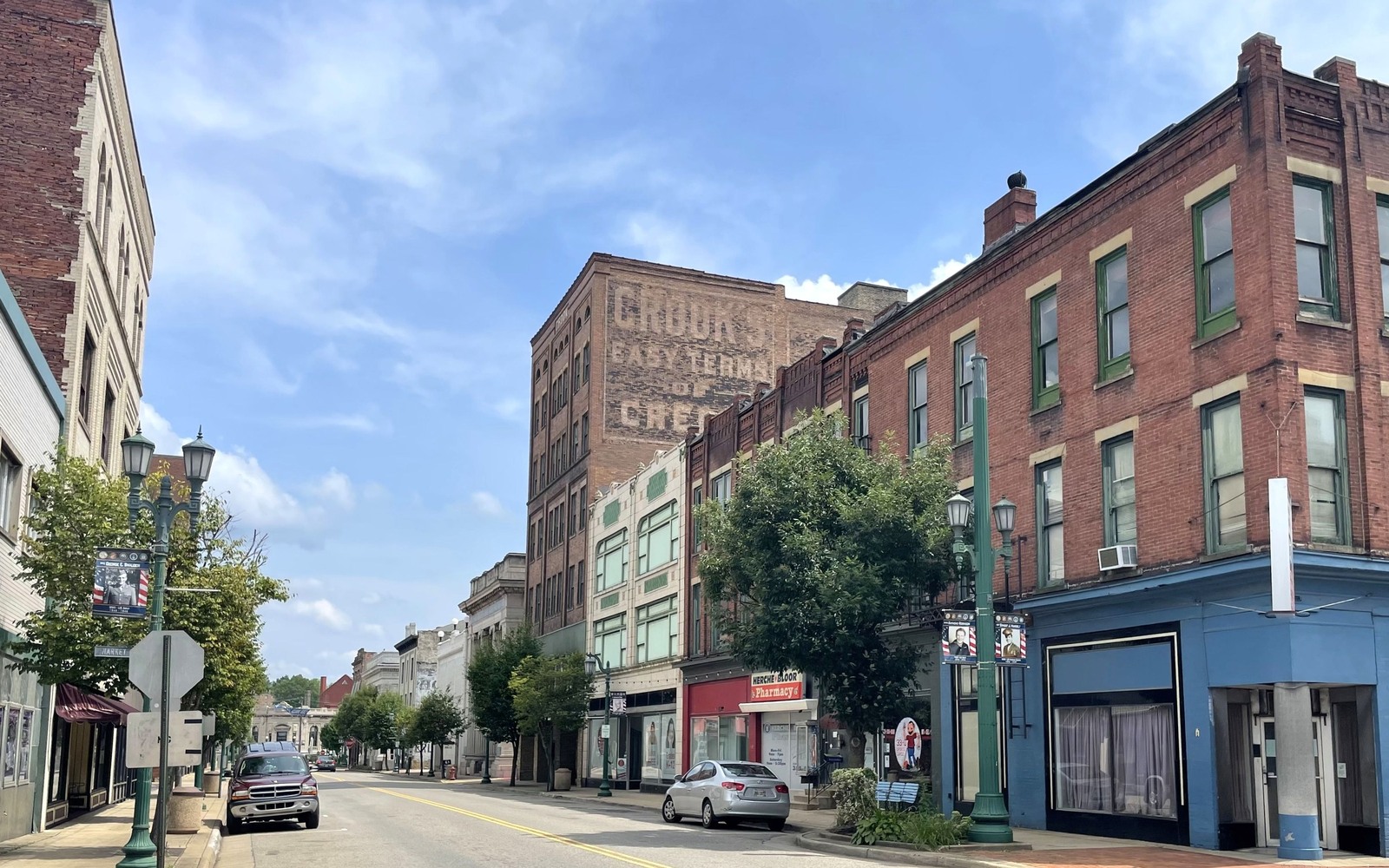
East Liverpool built its economy on pottery and clay, not oil and gas, which is part of why mineral ownership here tends to surprise people who inherit it.
East Liverpool sits on the Ohio River in Columbiana County, historically known as the pottery capital of the country, with an economy that leaned on clay, ceramics and river industry rather than oil and gas for most of its history. Columbiana County sits on the flank of the Utica/Point Pleasant play, and while it hasn't seen the drilling density of counties further south, mineral rights under East Liverpool-area land are still real assets, often tied to old farm or industrial-era deeds that most current owners have never closely examined.
Utica flank position along the river
East Liverpool's location along the Ohio River, near the West Virginia and Pennsylvania borders, puts it in a corner of the state where Utica flank geology and Marcellus proximity both come into play depending on the specific tract. Development here has been more selective than in the deep core counties, so whether your interest has ever been leased is often the single biggest factor in how it gets valued.
Industrial-era deeds and forgotten reservations
Because East Liverpool's economy was built on clay and pottery rather than farming or coal, a lot of mineral reservations here trace back to industrial land transactions rather than the farm-family severances common elsewhere in the region. That history can make chain of title less straightforward, so a search through the Columbiana County Recorder in Lisbon is the reliable way to confirm what a specific parcel's deed actually reserved.
Begin with the local record trail
A mineral review in the county starts with the county recorder, legal description, deed chain, reservations, affidavits, notices, lease, units, division orders, payor records, statements, and Ohio well data.
Route Ohio title questions correctly
Probate, marital property, dormant-mineral procedure, pooling, recording, transfer, regulatory filings, and payor notices can change the file in the county. Qualified advisers should review legal and tax questions.
Keep the local review tract-specific
Use local context as a prompt, not a valuation shortcut. The county mineral docket then reconciles the exact tract against gross and net acres, ownership fraction, recorded notices, producing and inactive wells, paid decimal, recent statements, lease burdens, title exceptions, and the complete written offer.