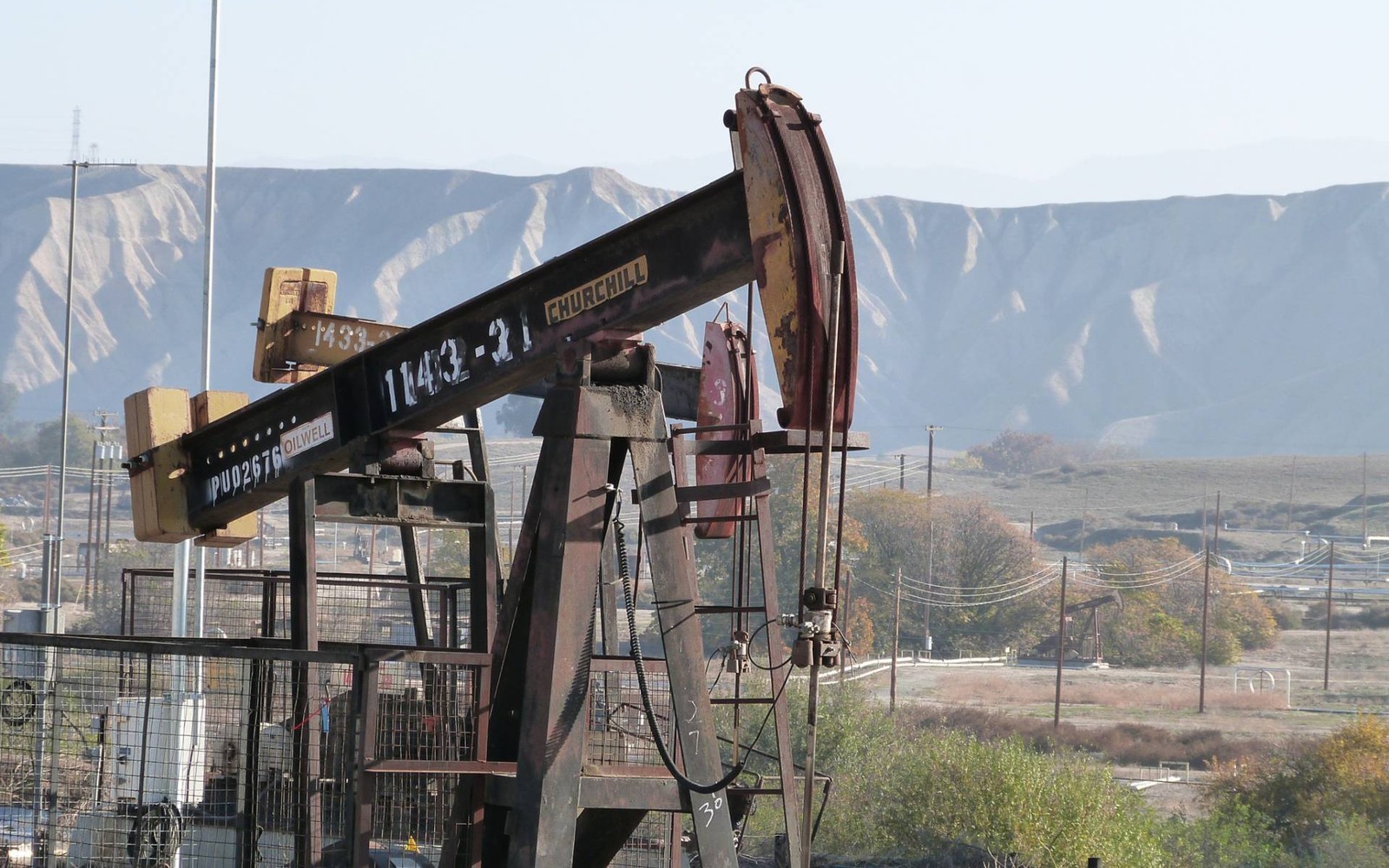
The village of Columbiana gives Columbiana County its name, and sits in the northern part of the county, on the flank of Ohio's Utica development.
Columbiana County's leasing history goes back further than most people realize, with legacy Clinton sandstone wells scattered throughout the county long before modern Utica horizontal drilling arrived. If your family's minerals are near the village of Columbiana itself, there's a decent chance any existing lease or severance ties back to that older era rather than recent shale activity.
Development density here has been lighter than in the core counties to the south, which is worth understanding honestly before you start thinking about what your interest might be worth.
Older leases, different terms
A Clinton-era lease from decades ago may cover only shallow depths, may have already expired, or may be written broadly enough to include deeper Utica rights depending on the specific language. Reading the actual document, rather than assuming based on its age, is the only reliable way to know what's currently available to sell.
What flank position means for value near Columbiana
Because this part of the county has seen less horizontal drilling activity than counties further south, unleased or undeveloped acreage near the village is generally valued with more weight on uncertainty. A tract with an existing lease or production history, current or historical, is priced against those actual results instead.
Confirming your interest
Columbiana County deed and lease records are held at the recorder's office in Lisbon. A title search there will confirm your legal description, any recorded severance, and whether a lease, old or new, currently affects your family's tract.
Begin with the local record trail
A mineral review in the county starts with the county recorder, legal description, deed chain, reservations, affidavits, notices, lease, units, division orders, payor records, statements, and Ohio well data.
Route Ohio title questions correctly
Probate, marital property, dormant-mineral procedure, pooling, recording, transfer, regulatory filings, and payor notices can change the file in the county. Qualified advisers should review legal and tax questions.
Keep the local review tract-specific
Use local context as a prompt, not a valuation shortcut. The county mineral docket then reconciles the exact tract against gross and net acres, ownership fraction, recorded notices, producing and inactive wells, paid decimal, recent statements, lease burdens, title exceptions, and the complete written offer.