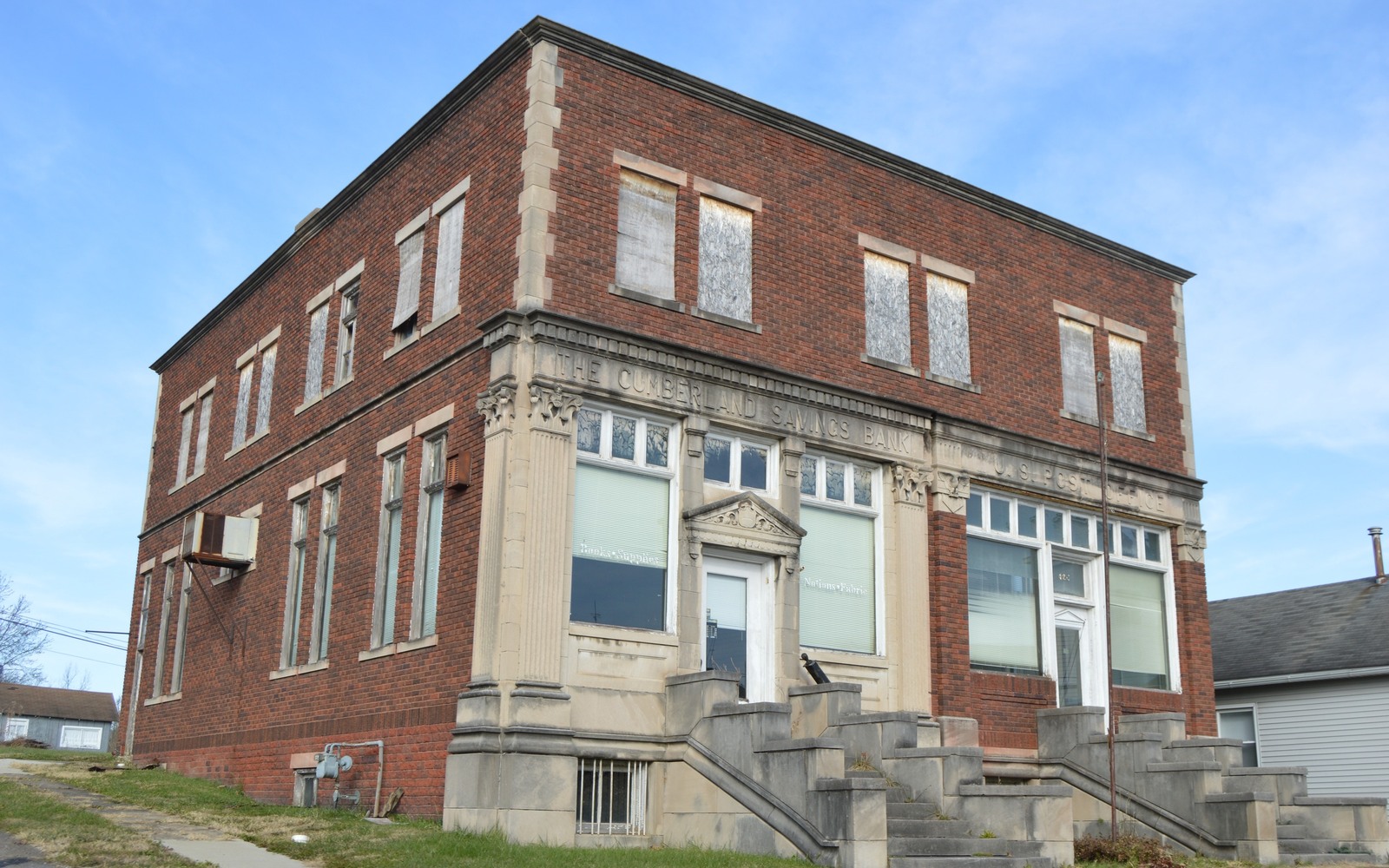
Cumberland sits in southern Guernsey County, near the Noble and Muskingum county lines, inside the Utica core.
Because Cumberland sits close to three county lines, some families here have mineral holdings that technically fall in different counties depending on exactly where a given tract's boundary runs. Before assuming your interest is recorded in Guernsey County, it's worth double-checking the legal description on your deed, since a parcel described as 'near Cumberland' isn't always the same as one recorded within Guernsey County itself.
That detail sorted, this area has seen consistent Utica development for years, and most producing tracts nearby carry a real payment history by now.
Confirming which county actually holds your record
If your family's paperwork is ambiguous about which county your Cumberland-area tract falls in, checking the legal description, township, section, and range, against a plat map will clarify it. This matters because deed and lease records for your specific tract will only be found at the correct county recorder's office, whether that's Guernsey, Noble, or Muskingum.
Production activity in this corner of the play
This part of the Utica core has drawn steady operator interest for years, and if your tract is inside an active spacing unit, your division order and royalty statements will show real production numbers to work from. If your minerals haven't been leased, an offer is built from comparable activity in the surrounding townships instead.
Watching for dormant mineral risk
As with much of this region, some older mineral interests near Cumberland have sat unused for long stretches without anyone in the family realizing it. If your family's minerals fit that profile, no lease, no production, no recorded activity for 20 years, they could be vulnerable to a dormant mineral claim under Ohio's ORC 5301.56. Checking the recorder's index for any abandonment notice is a sensible step before assuming an old interest is unaffected.
Begin with the local record trail
A mineral review in the county starts with the county recorder, legal description, deed chain, reservations, affidavits, notices, lease, units, division orders, payor records, statements, and Ohio well data.
Route Ohio title questions correctly
Probate, marital property, dormant-mineral procedure, pooling, recording, transfer, regulatory filings, and payor notices can change the file in the county. Qualified advisers should review legal and tax questions.
Keep the local review tract-specific
Use local context as a prompt, not a valuation shortcut. The county mineral docket then reconciles the exact tract against gross and net acres, ownership fraction, recorded notices, producing and inactive wells, paid decimal, recent statements, lease burdens, title exceptions, and the complete written offer.