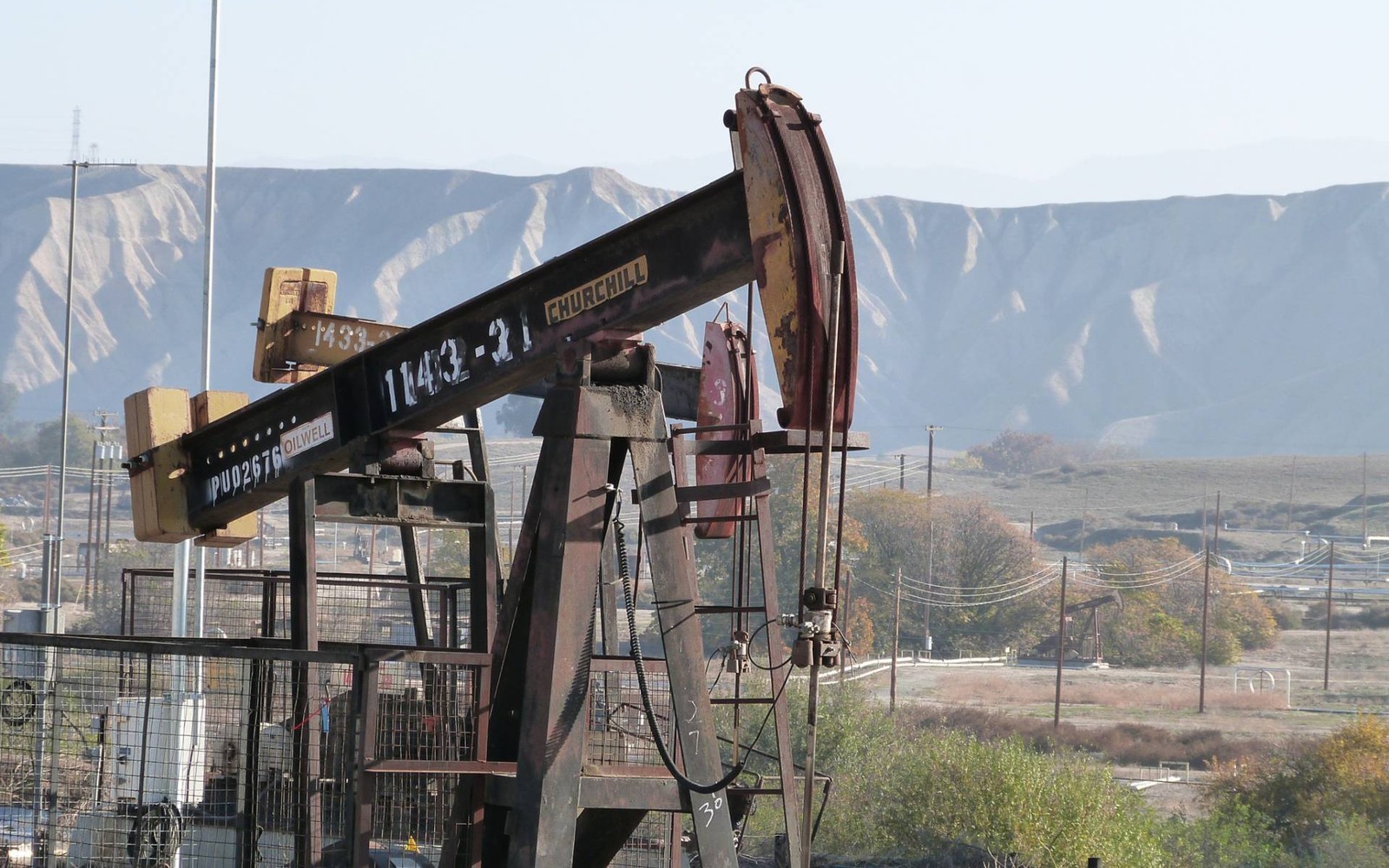
Dellroy sits near Atwood Lake in Carroll County, a recreation-oriented corner of a county otherwise known for launching Ohio's Utica shale boom.
Land around Dellroy and Atwood Lake often has a mixed history, farmland that later attracted lake-adjacent development, cabins, and recreational parcels alongside the working farms that make up most of Carroll County's mineral estate. That mix doesn't change how mineral rights are recorded, but it can mean your specific tract's deed history involves a subdivision or plat that a straightforward farm tract elsewhere in the county wouldn't have.
Carroll County itself is where Ohio's first commercial Utica well was drilled in 2011, and the surrounding farmland, including acreage near Dellroy, has been part of the play's core since those early years.
Recreational land and mineral title
If your Dellroy-area parcel is part of a platted lake community or subdivision, check whether the original plat or subsequent deeds addressed mineral rights specifically, some recreational developments reserved minerals to the original developer or seller rather than passing them with the surface lot. This is worth confirming through the Carroll County Recorder's office in Carrollton before assuming standard mineral ownership transferred with your property.
Core Utica development in the surrounding farmland
Away from the immediate lake area, Carroll County farmland near Dellroy has seen extensive horizontal drilling for over a decade. If your family's minerals are tied to a working farm tract rather than a recreational lot, there's a good chance they've already been leased or pooled into an active spacing unit, and your division order and royalty statements would confirm that directly.
Getting a real offer put together
Whether your interest sits under a lake-area lot or open farmland, send us your deed and any lease or royalty paperwork you have, and we'll confirm ownership against the county record and Ohio's well database before putting together a written offer with no obligation to accept it.
Begin with the local record trail
A mineral review in the county starts with the county recorder, legal description, deed chain, reservations, affidavits, notices, lease, units, division orders, payor records, statements, and Ohio well data.
Route Ohio title questions correctly
Probate, marital property, dormant-mineral procedure, pooling, recording, transfer, regulatory filings, and payor notices can change the file in the county. Qualified advisers should review legal and tax questions.
Keep the local review tract-specific
Use local context as a prompt, not a valuation shortcut. The county mineral docket then reconciles the exact tract against gross and net acres, ownership fraction, recorded notices, producing and inactive wells, paid decimal, recent statements, lease burdens, title exceptions, and the complete written offer.