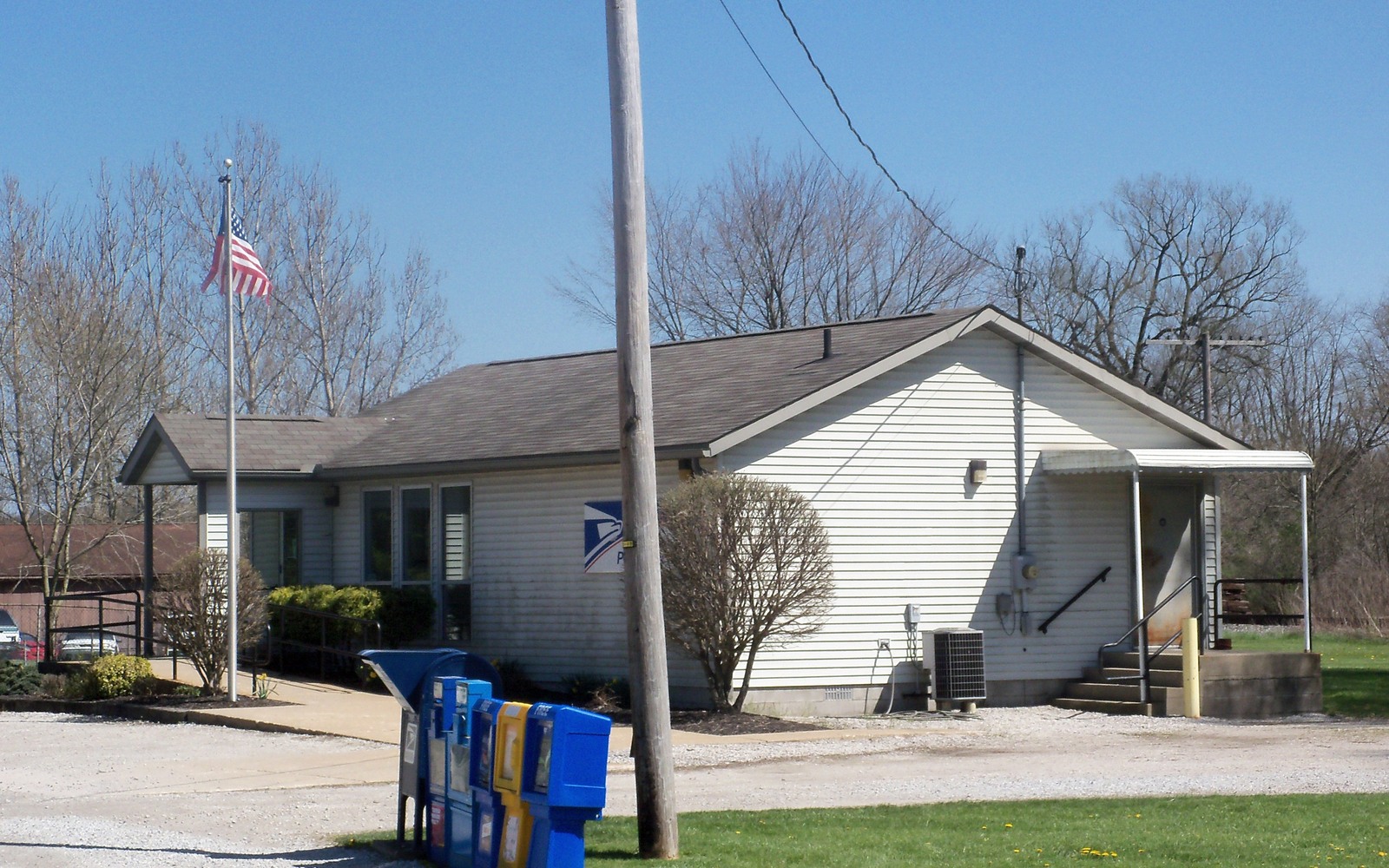
East Rochester is one of the smallest villages in Columbiana County, and small villages like this one are exactly where mineral interests tend to get lost across generations.
East Rochester sits in southern Columbiana County, a village small enough that most of the surrounding land has stayed agricultural through the decades. As with much of Columbiana County, this area sits on the flank of the Utica/Point Pleasant play rather than in its structural core, so drilling activity has been light, and many mineral interests here have sat unleased and largely forgotten by the families who technically hold them.
Why forgotten minerals are common around East Rochester
In a small farming community like East Rochester, land often passes down within a family for generations with minimal formal review of what was reserved in the original deed. It's not unusual for current landowners to have no idea whether a great-grandparent severed the minerals decades ago, kept them intact with the surface, or sold them off separately at some point along the way.
What a title search actually clarifies
A search through the Columbiana County Recorder's office will trace every recorded conveyance affecting your parcel, showing whether a severance ever occurred and, if so, tracking the mineral interest forward to whoever currently holds it. That's the only reliable way to confirm ownership before deciding whether selling makes sense.
Begin with the local record trail
A mineral review in the county starts with the county recorder, legal description, deed chain, reservations, affidavits, notices, lease, units, division orders, payor records, statements, and Ohio well data.
Route Ohio title questions correctly
Probate, marital property, dormant-mineral procedure, pooling, recording, transfer, regulatory filings, and payor notices can change the file in the county. Qualified advisers should review legal and tax questions.
Keep the local review tract-specific
Use local context as a prompt, not a valuation shortcut. The county mineral docket then reconciles the exact tract against gross and net acres, ownership fraction, recorded notices, producing and inactive wells, paid decimal, recent statements, lease burdens, title exceptions, and the complete written offer.