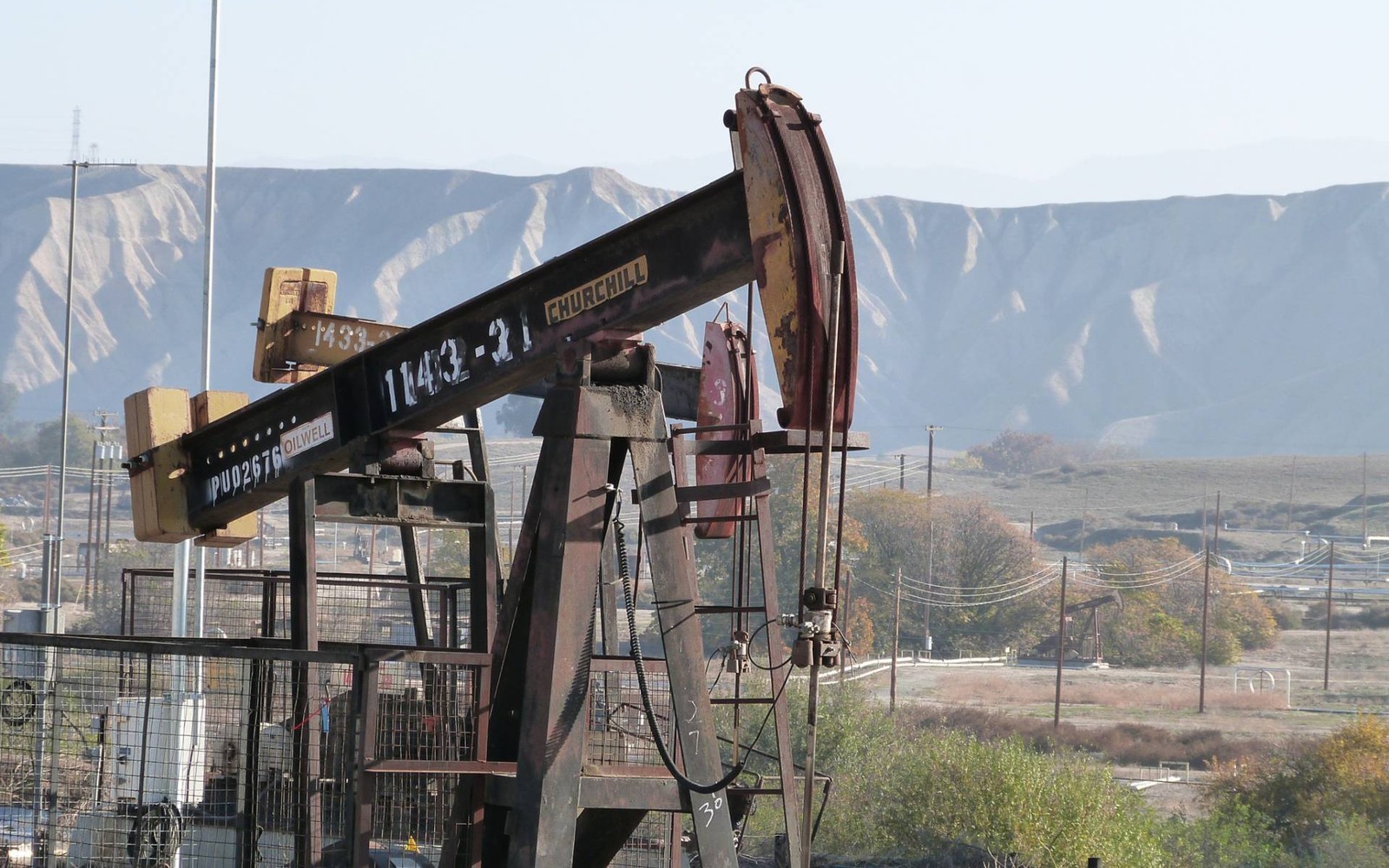
East Springfield sits inland from the Ohio River in Jefferson County, in farm country that's stayed largely rural while drilling activity has come and gone in waves around it.
East Springfield is a small village in western Jefferson County, set apart from the river towns like Steubenville that anchored the county's industrial history, and closer in character to the farmland stretching toward Harrison County. That proximity matters, since Harrison County to the west has seen dense Utica/Point Pleasant development, and activity there has occasionally extended into Jefferson County's western townships, including areas around East Springfield.
Proximity to Harrison County activity
Because East Springfield sits closer to Harrison County than to the Ohio River, some tracts here have seen more drilling interest than the river-adjacent parts of Jefferson County, though this still qualifies as flank rather than core positioning overall. Checking whether your specific tract has ever been leased or pooled into a unit is the fastest way to understand where your interest actually stands.
Farm-deed severances typical of this area
Most mineral reservations around East Springfield trace back to farm deeds rather than industrial or coal transactions, often written in simple fractional language that requires some work to translate into a modern net-mineral-acre figure. The Jefferson County Recorder's office in Steubenville holds the records needed to do that translation accurately.
Begin with the local record trail
A mineral review in the county starts with the county recorder, legal description, deed chain, reservations, affidavits, notices, lease, units, division orders, payor records, statements, and Ohio well data.
Route Ohio title questions correctly
Probate, marital property, dormant-mineral procedure, pooling, recording, transfer, regulatory filings, and payor notices can change the file in the county. Qualified advisers should review legal and tax questions.
Keep the local review tract-specific
Use local context as a prompt, not a valuation shortcut. The county mineral docket then reconciles the exact tract against gross and net acres, ownership fraction, recorded notices, producing and inactive wells, paid decimal, recent statements, lease burdens, title exceptions, and the complete written offer.