
Is Graysville in an actively producing part of Monroe County?
Much of Monroe County has seen substantial Utica development, so many tracts near Graysville sit inside producing units, though this varies parcel to parcel.
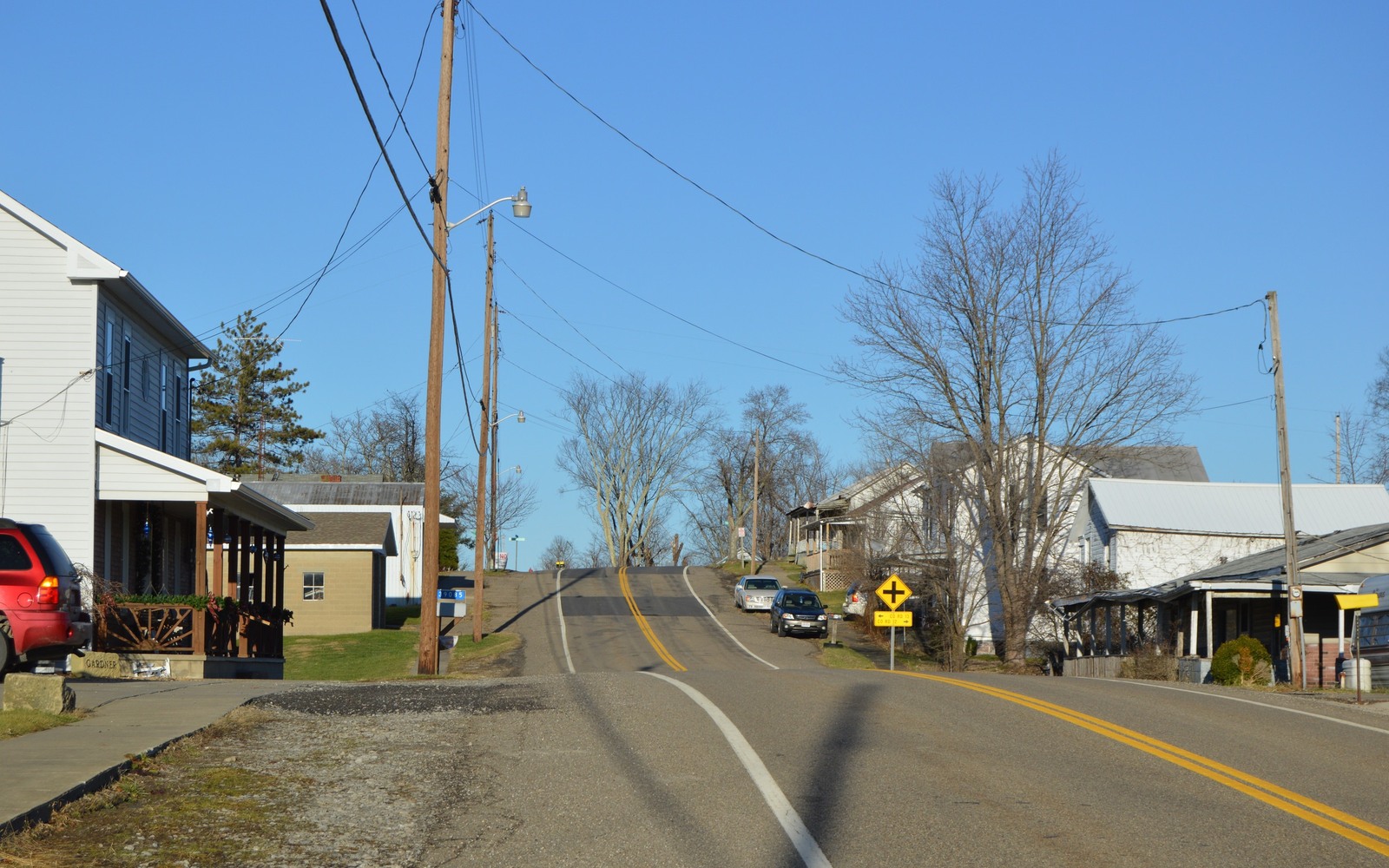
Graysville sits in Monroe County near the Ohio River, in a stretch of the state where Utica development has run alongside a much older river-oil legacy.
Graysville is a small unincorporated community in Monroe County, one of the counties operators targeted hardest once the Utica/Point Pleasant play proved out along the Ohio River corridor. Monroe County's land was farmed for generations and also carries an older conventional oil history tied to the river valley, so mineral tracts here can have layered production going back well before modern horizontal drilling arrived.
Monroe County has seen substantial horizontal drilling activity since the early 2010s, with operators including names like Gulfport Energy and Antero Resources having drilled extensively in the broader area over the life of the play. For a mineral owner near Graysville, that history often means production data exists for the surrounding area even if a specific tract hasn't been drilled directly.
Because the Ohio River valley has produced oil since long before the shale era, some Graysville-area tracts carry both an old conventional lease history and a newer Utica-era lease, sometimes involving different operators for each. A deed reserving 'oil and gas' broadly typically covers both, so knowing which wells and which formation apply to your specific interest matters before any valuation conversation.
A mineral review in the county starts with the county recorder, legal description, deed chain, reservations, affidavits, notices, lease, units, division orders, payor records, statements, and Ohio well data.
Probate, marital property, dormant-mineral procedure, pooling, recording, transfer, regulatory filings, and payor notices can change the file in the county. Qualified advisers should review legal and tax questions.
Use local context as a prompt, not a valuation shortcut. The county mineral docket then reconciles the exact tract against gross and net acres, ownership fraction, recorded notices, producing and inactive wells, paid decimal, recent statements, lease burdens, title exceptions, and the complete written offer.
Questions Ohio owners ask
Much of Monroe County has seen substantial Utica development, so many tracts near Graysville sit inside producing units, though this varies parcel to parcel.
Your lease documents or royalty statements will typically name the specific well and formation. A title search through the Monroe County Recorder can also confirm which leases are recorded against your parcel.
That's common in areas with a long production history. What matters for current value is whether an existing lease is still being held by production and what unit it applies to today.
Your deed, any lease or division order, and recent royalty statements if you receive them. Those establish your net mineral acres and decimal interest for a grounded number.
Keep reading before you sign
Guilford Lake sits in Columbiana County on the Utica flank. Learn what flank-position geology means for your mineral interest before you sell.
Hannibal sits in Monroe County along the Ohio River, in the Utica/Point Pleasant core. See what active development here means for your minerals.
Hanoverton sits in Columbiana County on the Utica flank, one of Ohio's oldest villages. See what its history means for mineral title research.
Put your county record in front of a buyer
Share the Ohio county, owner name, interest type, producing status, available statements, and the decision that needs a clearer answer.