
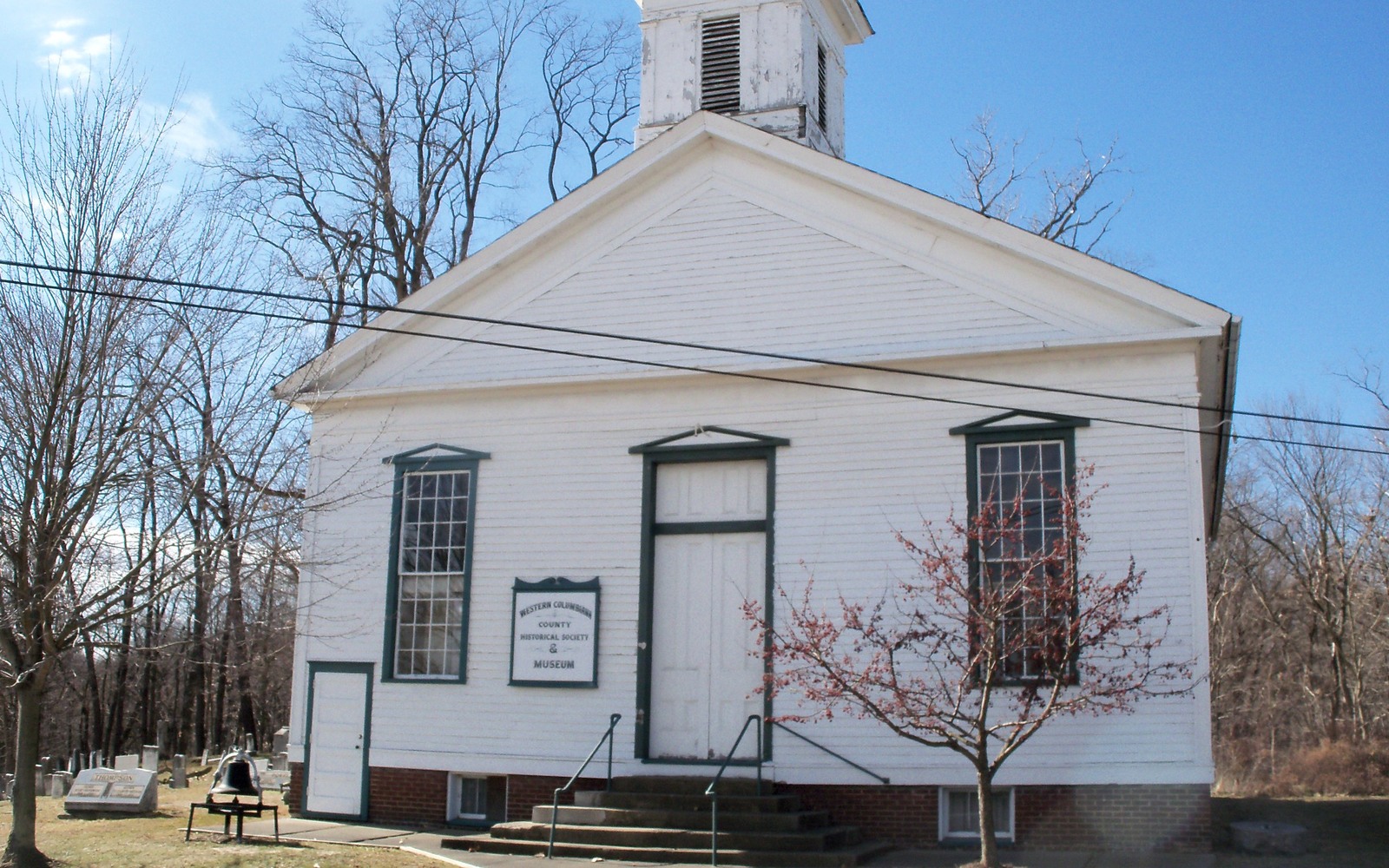
Is Homeworth in Columbiana County or Stark County?
It straddles the line, so your specific parcel could be recorded in either county. The legal description on your deed will confirm which one applies.
Homeworth sits near the Stark County line, in farmland that's changed remarkably little in the century since most mineral reservations here were first written.
Homeworth is a small unincorporated community straddling the Columbiana and Stark county line, in an area that's remained agricultural through most of its history. Sitting on the flank of the Utica/Point Pleasant fairway, this part of the state has seen limited horizontal drilling, and mineral ownership here is largely tied to old farm-family deeds rather than any recent leasing wave.
Because Homeworth sits near the Columbiana-Stark county line, it's worth confirming exactly which county's recorder holds your parcel's records before starting a title search, since filing in the wrong office wastes time. Your deed's legal description will state the county, and that's where the grantor/grantee index needs to be searched.
With limited drilling directly around Homeworth, most mineral interests here are unleased, and value gets estimated against comparable regional activity rather than local production history. If your family does hold a lease or has received any royalty payment, no matter how small, that documentation gives a buyer a much more precise number to work from.
A mineral review in the county starts with the county recorder, legal description, deed chain, reservations, affidavits, notices, lease, units, division orders, payor records, statements, and Ohio well data.
Probate, marital property, dormant-mineral procedure, pooling, recording, transfer, regulatory filings, and payor notices can change the file in the county. Qualified advisers should review legal and tax questions.
Use local context as a prompt, not a valuation shortcut. The county mineral docket then reconciles the exact tract against gross and net acres, ownership fraction, recorded notices, producing and inactive wells, paid decimal, recent statements, lease burdens, title exceptions, and the complete written offer.
Questions Ohio owners ask
It straddles the line, so your specific parcel could be recorded in either county. The legal description on your deed will confirm which one applies.
This area sits on the Utica flank, so development has been limited compared to core counties further south and east.
That's common in this area. An unleased interest still has value, priced against comparable nearby activity and your confirmed net mineral acres.
Your deed or severance instrument, any lease documents, and recent royalty statements if you have them. Those establish net mineral acres and decimal interest for a real quote.
It's based on your confirmed net mineral acres and comparable recent activity in similar flank-position areas, priced more conservatively than an actively producing interest.
It's not required for a straightforward sale, but if the chain of title has any gaps or unclear heirship, legal guidance can prevent problems before closing.
Keep reading before you sign
Hopedale sits in Harrison County, in the Utica/Point Pleasant core. See what dense drilling activity means for your mineral rights before selling.
Irondale sits in Jefferson County on the Utica flank, a former iron-industry village. See what that history means for your mineral rights.
Jerusalem sits in Monroe County, in Ohio's Utica/Point Pleasant core. Learn what active development in this area means for your mineral interest.
Put your county record in front of a buyer
Share the Ohio county, owner name, interest type, producing status, available statements, and the decision that needs a clearer answer.