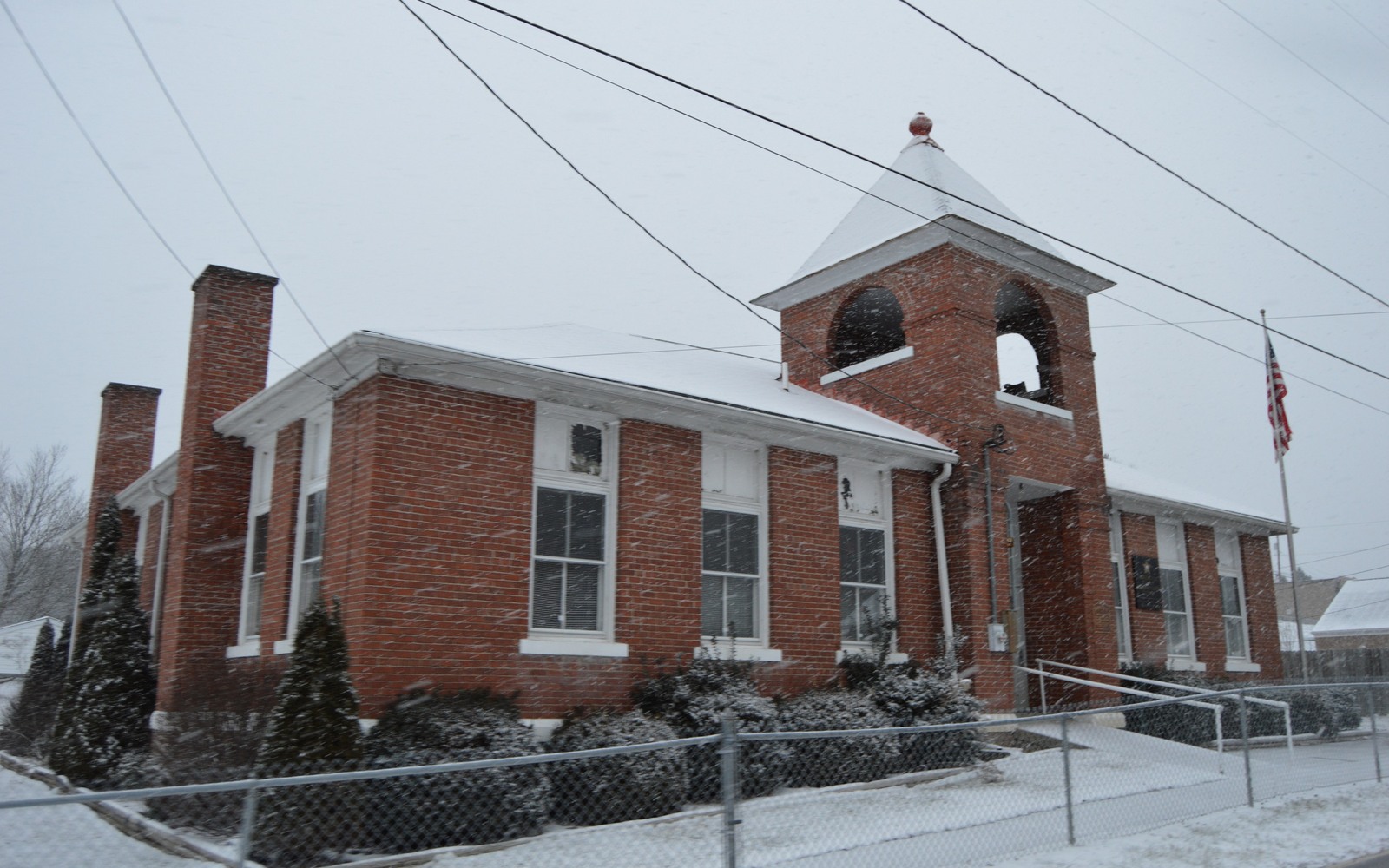
Lower Salem is a small unincorporated community in Washington County, tucked among farmland well off the main drilling corridors, where mineral ownership tends to be quiet but not necessarily worthless.
Places like Lower Salem don't show up in headlines about the Utica shale boom, and that's exactly why owners here sometimes assume there's nothing to check on. But mineral rights don't stop mattering just because a county's drilling activity is spread out rather than concentrated. If you own minerals near Lower Salem, the real question is what's happening on the units nearest to you, not whether your specific hamlet has had a rig in it.
Quiet acreage still has a value conversation worth having
Unleased, rural, flank-position mineral rights like those around Lower Salem generally get valued on optionality rather than current income: the chance that a future unit gets drawn to include your tract, weighed against the fact that nothing is currently happening. That's a legitimate, if modest, value, and it's worth having an actual conversation about rather than assuming the answer is zero.
Family land and informal ownership records
Rural tracts around Lower Salem have often stayed within one family for multiple generations without much formal paperwork beyond the original deed. If you're not sure whether your name is even correctly reflected on county records, that's the first thing to fix, not the last. A buyer can't make a serious offer on an interest they can't confirm you actually hold clear title to.
Starting at the Washington County Recorder
The Washington County Recorder's office in Marietta holds the deed and lease history for Lower Salem area tracts. A quick title check there will tell you whether your minerals were ever severed from the surface, whether any lease has been recorded, and whether your ownership percentage matches what you believe it to be.
Begin with the local record trail
A mineral review in the county starts with the county recorder, legal description, deed chain, reservations, affidavits, notices, lease, units, division orders, payor records, statements, and Ohio well data.
Route Ohio title questions correctly
Probate, marital property, dormant-mineral procedure, pooling, recording, transfer, regulatory filings, and payor notices can change the file in the county. Qualified advisers should review legal and tax questions.
Keep the local review tract-specific
Use local context as a prompt, not a valuation shortcut. The county mineral docket then reconciles the exact tract against gross and net acres, ownership fraction, recorded notices, producing and inactive wells, paid decimal, recent statements, lease burdens, title exceptions, and the complete written offer.