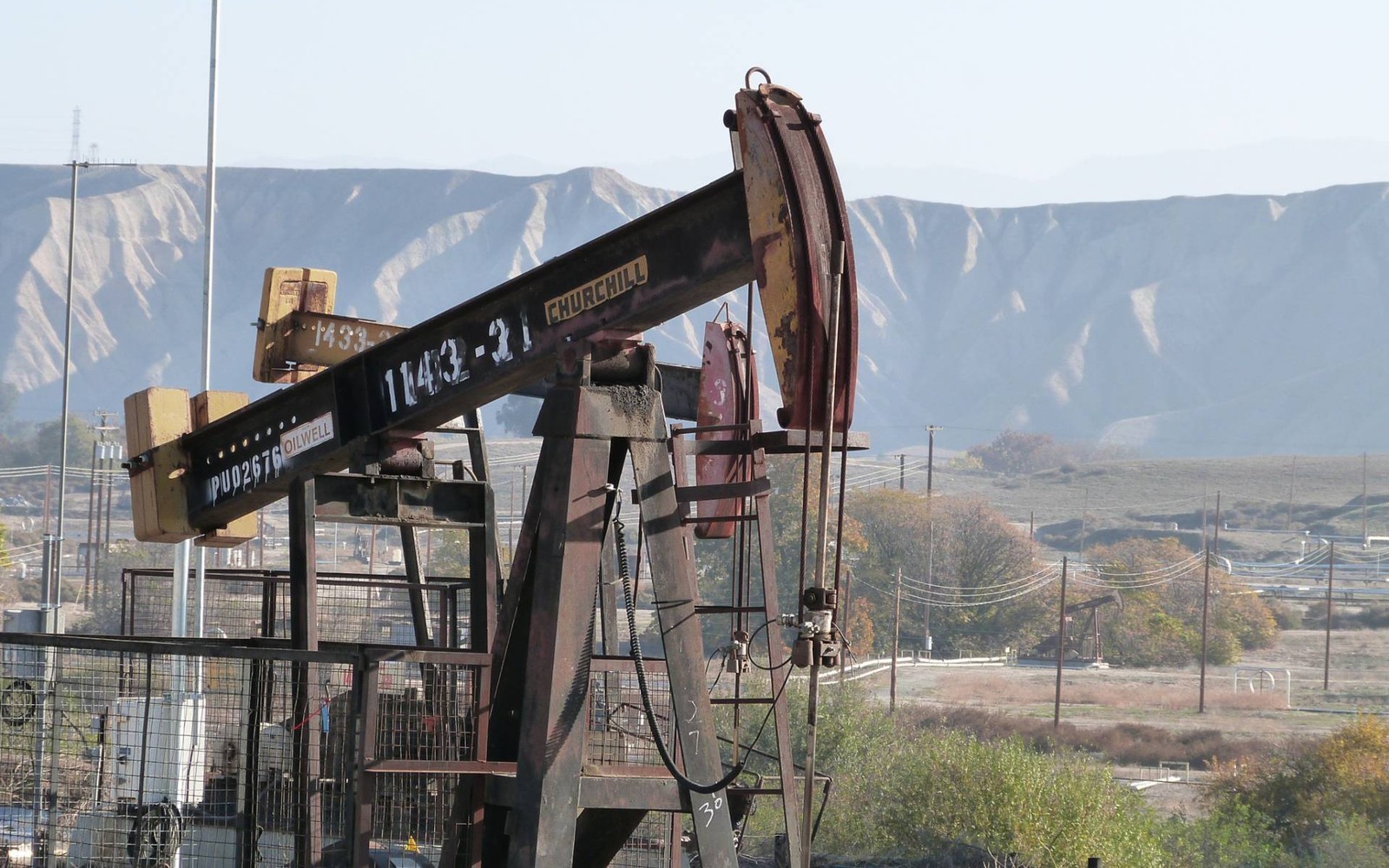
Mingo Junction sits on the Ohio River in Jefferson County, a community driven by more than a century of steel production, where mineral ownership under residential and former industrial land often looks different than under nearby farmland.
Jefferson County's identity is tied to steel as much as anything else, and Mingo Junction's land near the mills has a development history that doesn't always match the large, contiguous farm tracts more common in rural parts of the county. That history shapes how mineral rights ownership and severance typically look here.
Industrial river-town land and mineral severance
Property near the old steel corridor in Mingo Junction was frequently bought, sold, platted, and developed multiple times over the past century, and mineral rights weren't always carried along consistently through each transaction. If you own land here, it's worth confirming specifically whether your deed includes mineral rights or whether a prior owner reserved or sold them separately at some point.
Jefferson County's position in the Utica play
Jefferson County generally sits on the flank of the Utica/Point Pleasant core, which runs thicker through counties to the south and west. Activity near Mingo Junction depends on how close a given parcel is to producing units, and the county's industrial land-use history adds an extra layer worth checking before assuming your rights are straightforward.
Steubenville recorder records for Mingo Junction land
The Jefferson County Recorder's office in Steubenville, the county seat, holds deed and severance records for Mingo Junction. Because of the area's industrial history, it's worth pulling the full chain of title rather than just the most recent deed, to catch any older severance that might otherwise be missed.
Begin with the local record trail
A mineral review in the county starts with the county recorder, legal description, deed chain, reservations, affidavits, notices, lease, units, division orders, payor records, statements, and Ohio well data.
Route Ohio title questions correctly
Probate, marital property, dormant-mineral procedure, pooling, recording, transfer, regulatory filings, and payor notices can change the file in the county. Qualified advisers should review legal and tax questions.
Keep the local review tract-specific
Use local context as a prompt, not a valuation shortcut. The county mineral docket then reconciles the exact tract against gross and net acres, ownership fraction, recorded notices, producing and inactive wells, paid decimal, recent statements, lease burdens, title exceptions, and the complete written offer.