Has Newcomerstown seen much oil and gas activity?
Less than the core Utica counties to the east. The local economy has historically centered on agriculture and rail, so mineral rights here have often gone unexamined for a long time.
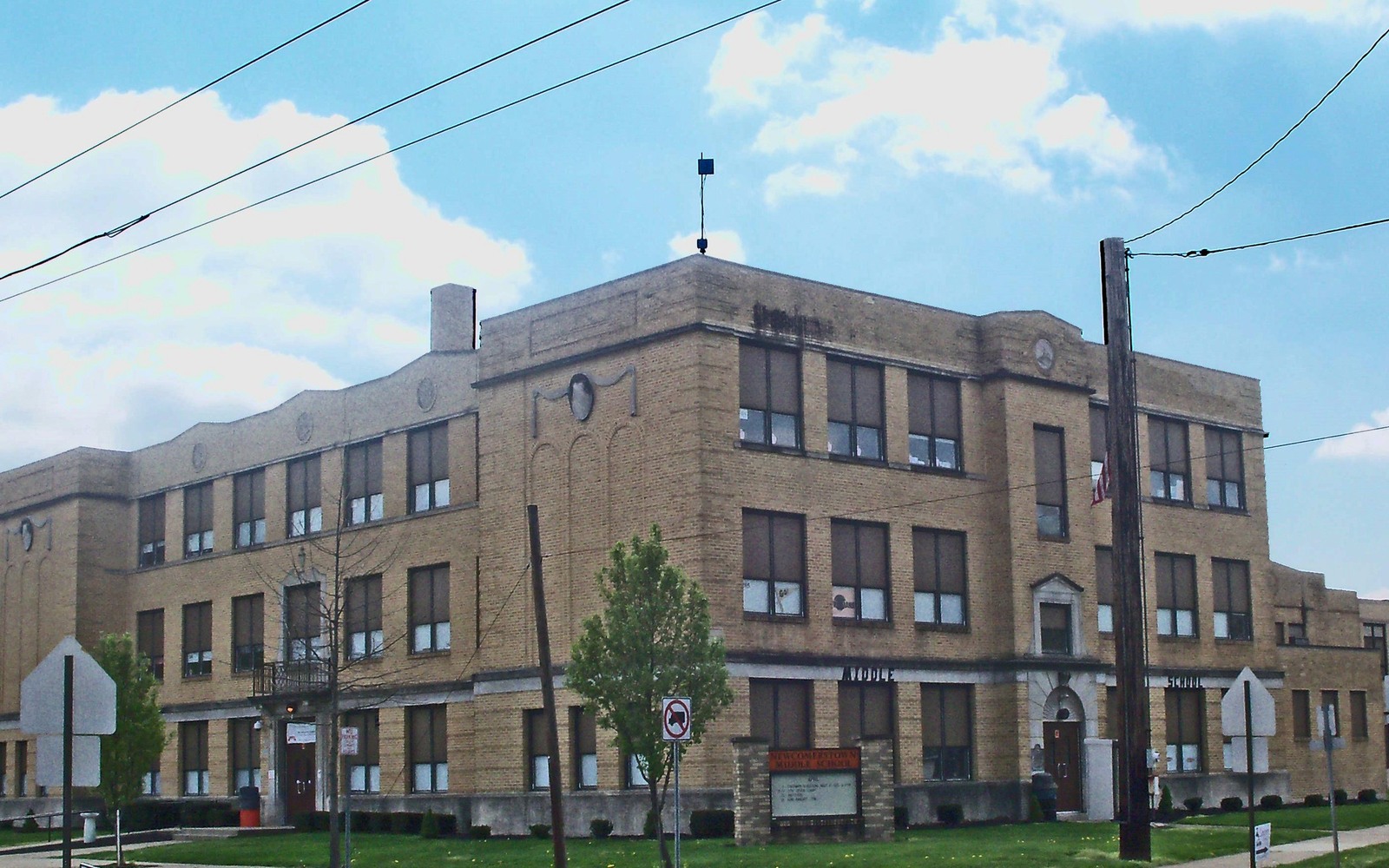
Newcomerstown sits along the Tuscarawas River in Tuscarawas County, on the flank of the Utica/Point Pleasant play, in an area historically defined more by farming and rail than by oil and gas.
Newcomerstown's economy grew up around agriculture and the railroad rather than oil and gas, which means mineral rights ownership here has often gone unexamined for decades. That's not unusual for flank-position land, but it does mean the first useful step for a mineral owner is figuring out exactly what you have before assuming anything about value.
Farm tracts along the Tuscarawas River near Newcomerstown have frequently stayed within the same families for generations, passed down through wills rather than sold. If your mineral interest came to you this way, confirming your exact ownership share through probate records is an important first step.
This county sits west of the thicker Utica core in Carroll and Harrison counties, so development near Newcomerstown has been more selective. A buyer will look at the closest active units before valuing your specific tract, so proximity matters more here than it would in a heavily drilled core county.
The Tuscarawas County Recorder's office in New Philadelphia holds deed and lease records for Newcomerstown-area land. A title search there confirms whether your interest has ever been leased and whether it was formally severed from the surface at any point.
A mineral review in the county starts with the county recorder, legal description, deed chain, reservations, affidavits, notices, lease, units, division orders, payor records, statements, and Ohio well data.
Probate, marital property, dormant-mineral procedure, pooling, recording, transfer, regulatory filings, and payor notices can change the file in the county. Qualified advisers should review legal and tax questions.
Use local context as a prompt, not a valuation shortcut. The county mineral docket then reconciles the exact tract against gross and net acres, ownership fraction, recorded notices, producing and inactive wells, paid decimal, recent statements, lease burdens, title exceptions, and the complete written offer.
Questions Ohio owners ask
Less than the core Utica counties to the east. The local economy has historically centered on agriculture and rail, so mineral rights here have often gone unexamined for a long time.
Check probate records alongside your deed at the Tuscarawas County Recorder's office in New Philadelphia to establish your exact fractional interest.
Yes. Since Tuscarawas County sits on the play's flank, buyers weigh proximity to the nearest active drilling units heavily when valuing acreage here.
Often yes. Farm tracts held across generations here were typically transferred through wills rather than sales, which means probate records, in addition to deeds, are usually needed to confirm exact ownership shares.
That changes over time, so the most reliable way to check is recent permit filings with the Ohio Department of Natural Resources for the surrounding townships rather than relying on what's visible from the road at any given moment.
Keep reading before you sign
Newport sits on the Ohio River in Washington County's Utica flank. See how this small river community's mineral rights typically get evaluated.
Old Washington sits in Guernsey County's Utica core near you-70. See how this small village's mineral rights get evaluated before selling.
Parral sits in Tuscarawas County's Utica flank. See how this small rural community's mineral rights typically get valued before a sale.
Put your county record in front of a buyer
Share the Ohio county, owner name, interest type, producing status, available statements, and the decision that needs a clearer answer.