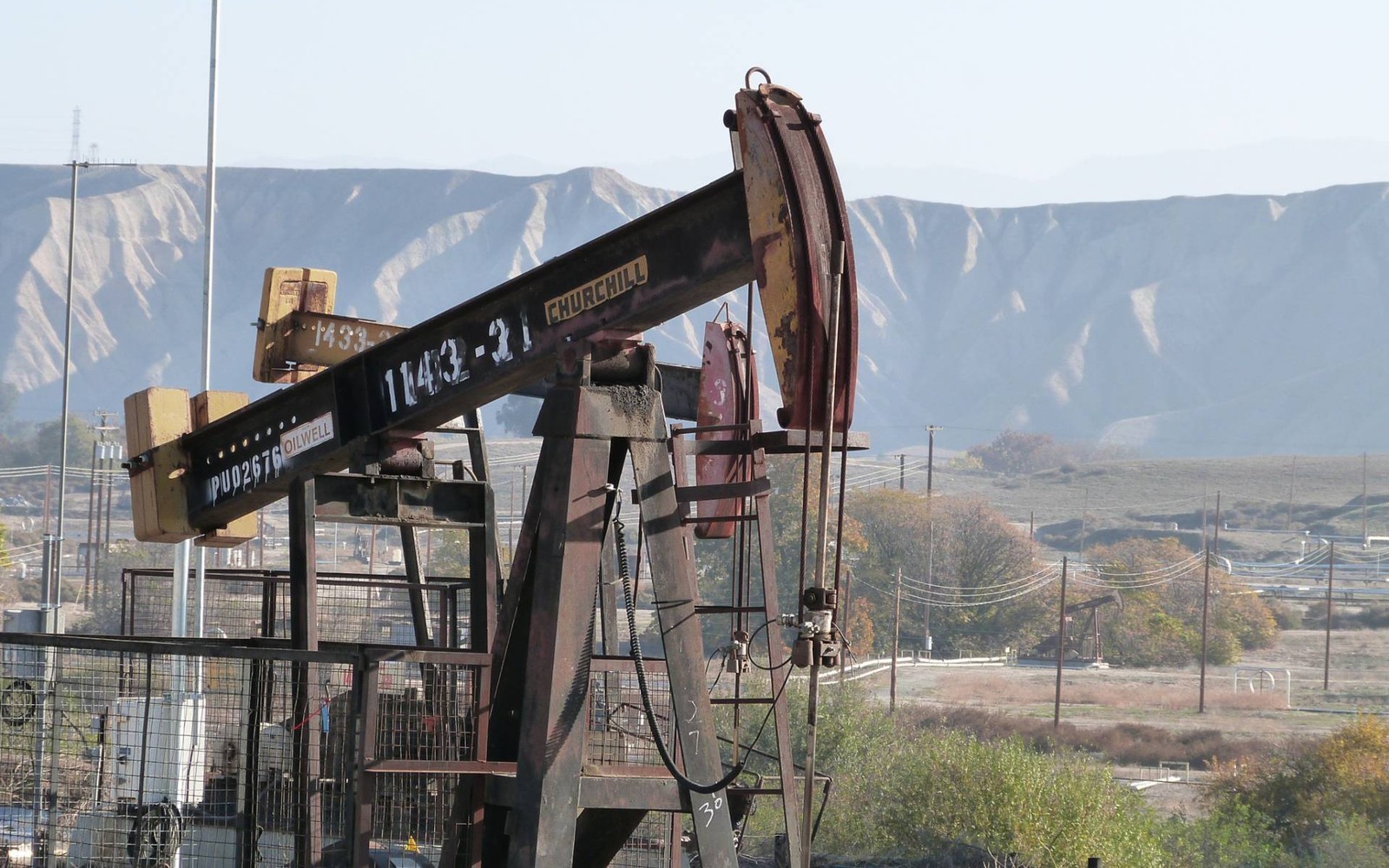
Parral is a small rural community in Tuscarawas County, on the flank of the Utica/Point Pleasant play, where mineral ownership tends to be quiet and long-held rather than actively managed.
There isn't much written specifically about Parral's oil and gas history, which is typical for small unincorporated communities in this part of Ohio. The right approach for a mineral owner here is to treat this as Tuscarawas County flank land generally, checking the nearest active units and confirming your own title before assuming anything about value.
Flank-position land and realistic expectations
Tuscarawas County sits west of the Utica core in Carroll and Harrison counties, and development here has been selective rather than blanket. A Parral-area tract's value depends heavily on how close it sits to whatever units have actually been drilled nearby, so checking recent permit activity in the surrounding townships is a useful step.
Confirming your title before anything else
For quiet, rural, long-held land like this, the most valuable first step usually isn't researching price; it's confirming that your name accurately reflects current ownership in the county's records. Land passed down informally through a family can drift from what's officially on file.
New Philadelphia recorder records
The Tuscarawas County Recorder's office in New Philadelphia holds deed and lease records for the entire county, including Parral. A title check there is the practical starting point before any conversation about selling.
Begin with the local record trail
A mineral review in the county starts with the county recorder, legal description, deed chain, reservations, affidavits, notices, lease, units, division orders, payor records, statements, and Ohio well data.
Route Ohio title questions correctly
Probate, marital property, dormant-mineral procedure, pooling, recording, transfer, regulatory filings, and payor notices can change the file in the county. Qualified advisers should review legal and tax questions.
Keep the local review tract-specific
Use local context as a prompt, not a valuation shortcut. The county mineral docket then reconciles the exact tract against gross and net acres, ownership fraction, recorded notices, producing and inactive wells, paid decimal, recent statements, lease burdens, title exceptions, and the complete written offer.