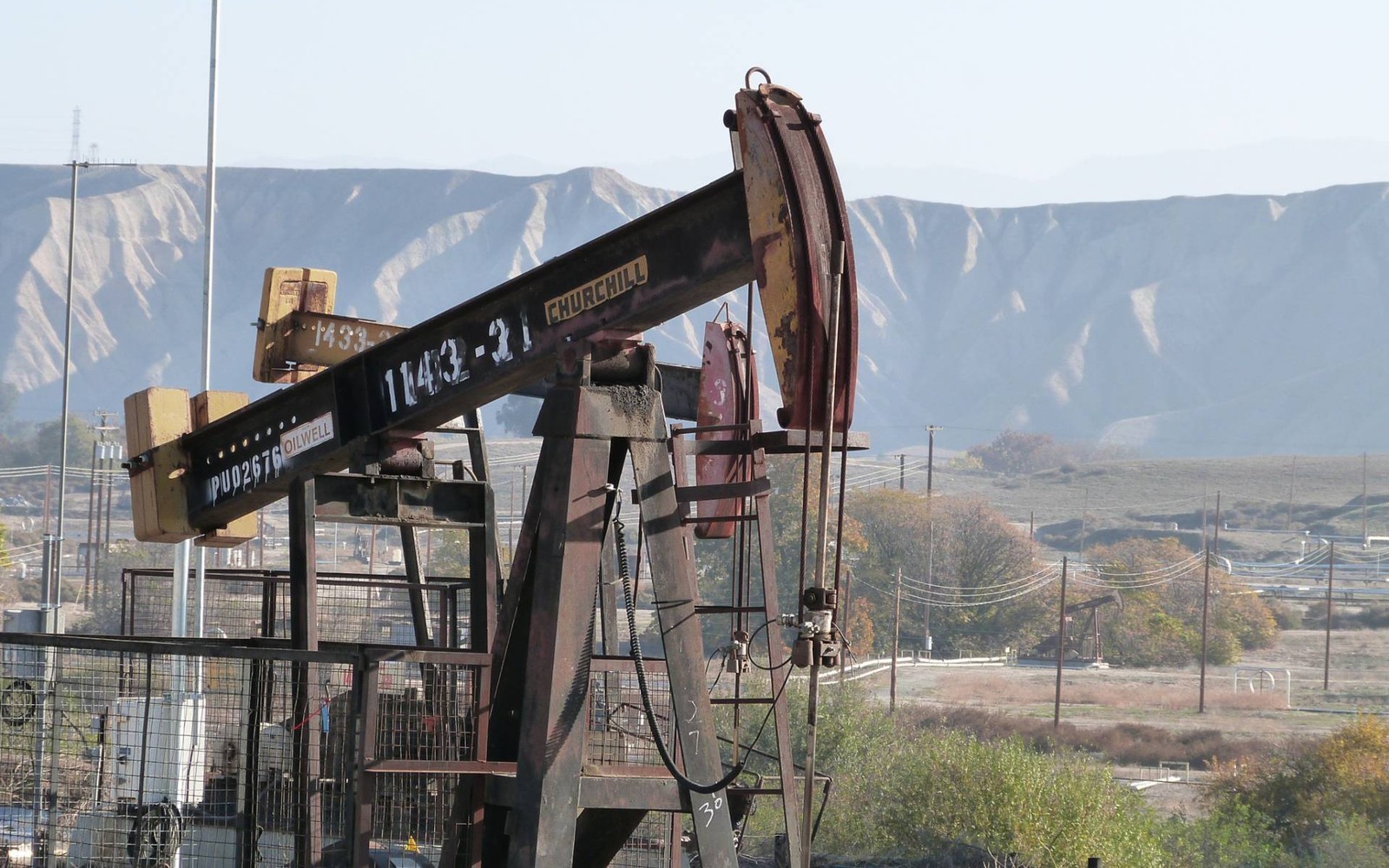
Salesville sits inside the Utica core in Guernsey County, near Salt Fork, where operators have run multi-well pads for over a decade and where an unleased interest is a very different asset than it was in 2010.
Guernsey County, and Salesville specifically, falls within what geologists consider the core of the Utica/Point Pleasant play, where the pay zone is thick enough and rich enough in liquids that operators such as Ascent Resources have built out extensive multi-well pad development over the past several years. That history changes what a mineral rights conversation looks like here compared with flank counties farther west.
If your interest near Salesville is leased and producing, or sits inside a unit that has already been drilled, the value discussion is grounded in actual royalty history rather than speculation about future activity.
What core-position acreage looks like on paper
Wells in the Guernsey County core have historically posted stronger initial production rates than flank counties, particularly for liquids-rich gas, which is part of why operators concentrated pad development here. A parcel near Salesville that is pooled into one of these units carries a production track record that a buyer can actually evaluate.
That does not mean every acre performs the same. Spacing, lateral length, and how long the well has been on decline all factor into what future royalty income might look like, which is why we ask for recent check stubs when they are available.
Reading your royalty statement before you sell
A royalty statement shows gross production, your decimal interest, deductions for gathering and processing, and the net amount paid. Comparing several months of statements shows whether the well is on a steep early decline or has leveled off, which matters for pricing a producing interest.
We ask for these statements specifically because they let us make a real offer instead of a rough guess, and because they let you see exactly how we arrived at the number.
Unleased acreage in an active area
If your interest near Salesville has not been leased, but nearby units are producing, that is a meaningfully different position than an unleased interest with no activity nearby at all. Operators actively working the area are more likely to eventually approach unleased tracts for pooling.
We price unleased interests conservatively and explain exactly what nearby activity we are basing that on, using hedged ranges tied to the surrounding wells rather than a flat promise.
Begin with the local record trail
A mineral review in the county starts with the county recorder, legal description, deed chain, reservations, affidavits, notices, lease, units, division orders, payor records, statements, and Ohio well data.
Route Ohio title questions correctly
Probate, marital property, dormant-mineral procedure, pooling, recording, transfer, regulatory filings, and payor notices can change the file in the county. Qualified advisers should review legal and tax questions.
Keep the local review tract-specific
Use local context as a prompt, not a valuation shortcut. The county mineral docket then reconciles the exact tract against gross and net acres, ownership fraction, recorded notices, producing and inactive wells, paid decimal, recent statements, lease burdens, title exceptions, and the complete written offer.