
How long does selling mineral rights near Salineville usually take?
Title work and pricing typically take one to two weeks, with closing shortly after you accept, assuming the ownership chain is straightforward.
Selling a mineral interest near Salineville is a shorter process than most owners expect, usually four steps from a phone call to a signed deed, and none of them require you to leave home.
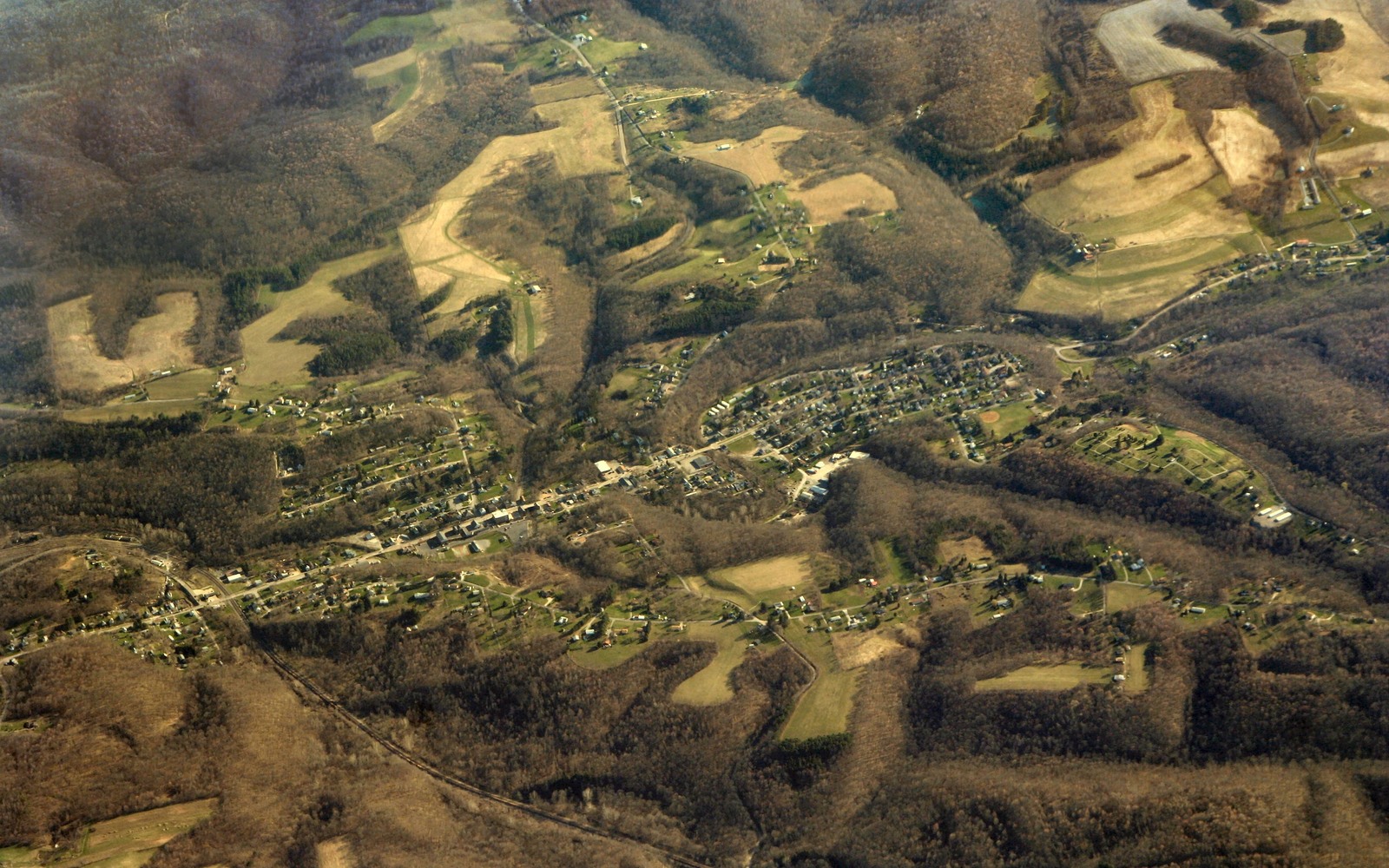
Salineville is a small village in southern Columbiana County, named for the salt production that once drew industry to the area long before anyone drilled for gas. The mineral interests we see here are almost always inherited, passed down through farm families whose land has since been sold, subdivided, or simply left in the name of an estate.
If you are new to this and just want to understand what actually happens if you decide to sell, here is the process in plain steps.
We start with your deed, or even just the county and approximate legal description if you do not have the deed handy. From there we search the Columbiana County Recorder's records to confirm your ownership percentage and trace it back to the original reservation.
This step alone often answers questions owners have carried for years, like whether a sibling's share was ever recorded correctly or whether an old lease is still active.
We pull Ohio Department of Natural Resources permit and production data for the specific township near Salineville to see whether your parcel is pooled into a unit, leased, or sitting in an area with no recent activity. That determines the range we can realistically offer.
Any figure we give you is tied to that documented activity and to comparable recent transactions, never a flat number pulled out of thin air.
Once you have a written offer, you can review it on your own timeline and, if you choose, have an attorney look at the deed we prepare. There is no pressure and no expiration clock designed to rush you.
If you accept, closing typically involves signing the mineral deed, often through a notary near you, and payment is issued once the deed is recorded with the county.
A mineral review in the county starts with the county recorder, legal description, deed chain, reservations, affidavits, notices, lease, units, division orders, payor records, statements, and Ohio well data.
Probate, marital property, dormant-mineral procedure, pooling, recording, transfer, regulatory filings, and payor notices can change the file in the county. Qualified advisers should review legal and tax questions.
Use local context as a prompt, not a valuation shortcut. The county mineral docket then reconciles the exact tract against gross and net acres, ownership fraction, recorded notices, producing and inactive wells, paid decimal, recent statements, lease burdens, title exceptions, and the complete written offer.
Questions Ohio owners ask
Title work and pricing typically take one to two weeks, with closing shortly after you accept, assuming the ownership chain is straightforward.
That is common with older inherited interests. We work through name changes and estate documentation as part of the title search.
No. Some owners choose to sell only a portion of their interest and keep the rest, though most sales near Salineville involve the full share for simplicity.
Keep reading before you sign
Mineral rights near Sandyville, Tuscarawas County start and end at the courthouse. See what the recorder's office shows about your interest before you sell.
Sarahsville, Noble County royalty owner? Learn how to read your check stub, understand decline, and get a fair cash offer for your Utica core interest.
Sardis sits along the Ohio River in Monroe County's Utica core, near the region's NGL storage corridor. See what that means for your mineral interest.
Put your county record in front of a buyer
Share the Ohio county, owner name, interest type, producing status, available statements, and the decision that needs a clearer answer.