
you live out of state but inherited mineral rights near Stratton. Can you still sell remotely?
Yes. We handle title work locally and can coordinate closing through a notary near wherever you live.
Stratton is a narrow river village wedged between the Ohio River and the hills of Jefferson County, and the mineral rights tied to that land often belong to people who moved away generations ago but never let go of the deed.
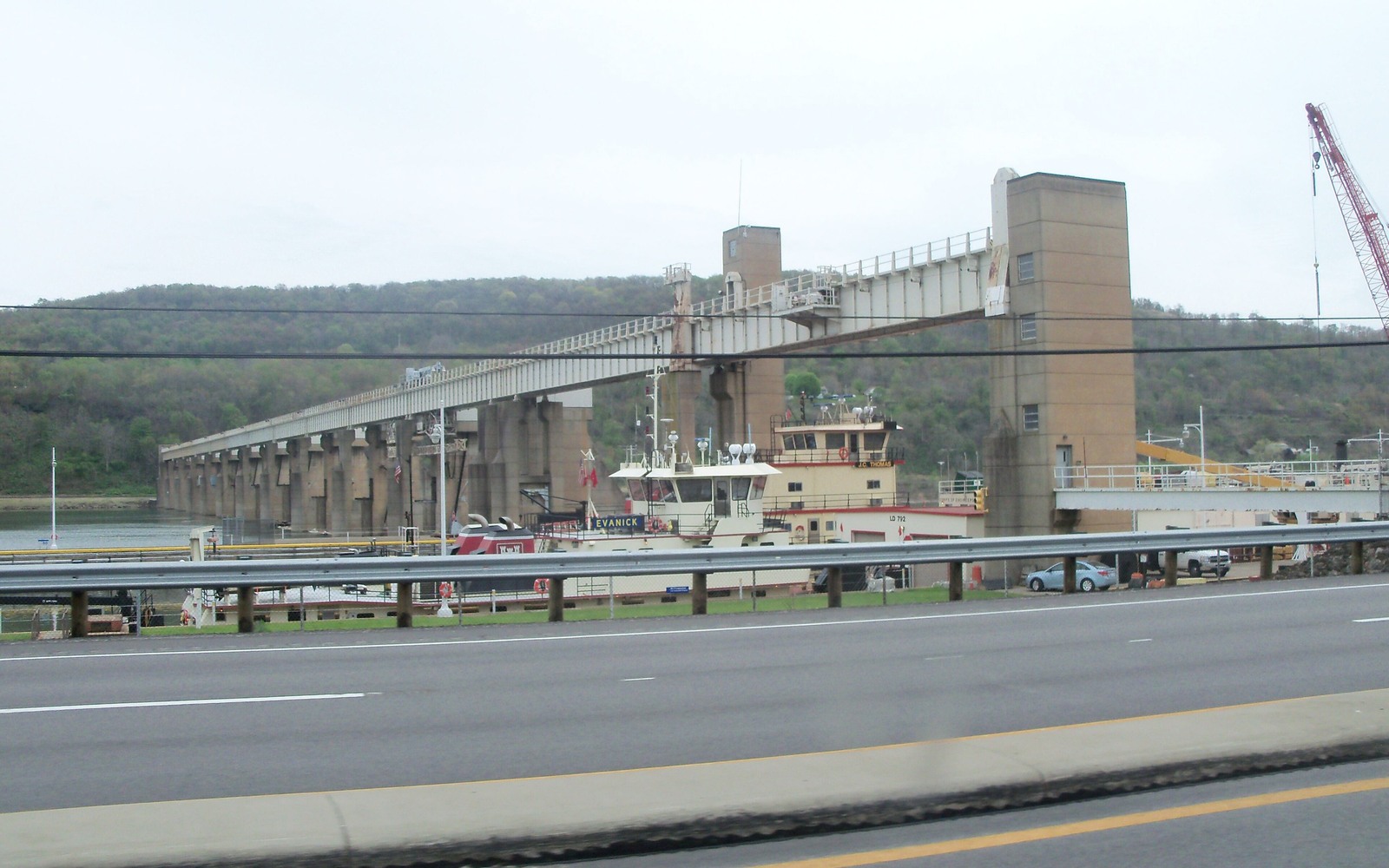
Stratton sits along the Ohio River in Jefferson County, on the flank of the Utica/Point Pleasant play. River towns like this one grew around industry that had nothing to do with oil and gas, coal barges, steel, glass, and the mineral rights under the surrounding hillside farms were often reserved quietly as land traded hands during that era.
For families with roots in Stratton who have since scattered across the country, the mineral interest tied to that old hillside or bottomland tract can be an asset they have not thought about in years.
Bottomland near the river in and around Stratton was often farmed intensively, while hillside acreage was more likely held for timber or simply passed down without much use. Both types of tracts can carry mineral reservations, but the deed history differs depending on how the land was originally used and sold.
A title search at the Jefferson County Recorder's office in Steubenville shows exactly which category your family's interest falls into and traces the ownership from the original reservation to today.
It is common for us to work with owners who grew up near Stratton but now live out of state, sometimes having inherited a mineral interest they only learned about through a probate notice or a letter from a landman. Distance does not complicate the process much, since most of the work is done remotely.
We handle the title search, prepare the offer, and coordinate signing through a local notary near you wherever you currently live.
Jefferson County sits on the flank of the play, with activity that varies by township. We check Ohio Department of Natural Resources permit and production records for the specific section tied to your Stratton-area interest before quoting a number.
Whether your interest is leased, unleased, or already producing shapes both the offer and how quickly a sale can close.
A mineral review in the county starts with the county recorder, legal description, deed chain, reservations, affidavits, notices, lease, units, division orders, payor records, statements, and Ohio well data.
Probate, marital property, dormant-mineral procedure, pooling, recording, transfer, regulatory filings, and payor notices can change the file in the county. Qualified advisers should review legal and tax questions.
Use local context as a prompt, not a valuation shortcut. The county mineral docket then reconciles the exact tract against gross and net acres, ownership fraction, recorded notices, producing and inactive wells, paid decimal, recent statements, lease burdens, title exceptions, and the complete written offer.
Questions Ohio owners ask
Yes. We handle title work locally and can coordinate closing through a notary near wherever you live.
The recorded deed and legal description will show the specific parcel. We identify this as part of the title search.
Jefferson County is on the Utica flank with activity that varies by township. We check current state records for your specific section before quoting.
Keep reading before you sign
Sugarcreek, Ohio's Little Switzerland, sits atop the Utica flank in Tuscarawas County. See how Amish country farmland and mineral rights history connect.
Summerfield, Noble County landowner dealing with a Dormant Mineral Act dispute? See how Ohio case law like Dodd v. Croskey applies before you sell or claim.
Summitville, once an Ohio pottery hub, sits on the Utica flank in Columbiana County. See how that older industrial land history connects to mineral rights.
Put your county record in front of a buyer
Share the Ohio county, owner name, interest type, producing status, available statements, and the decision that needs a clearer answer.