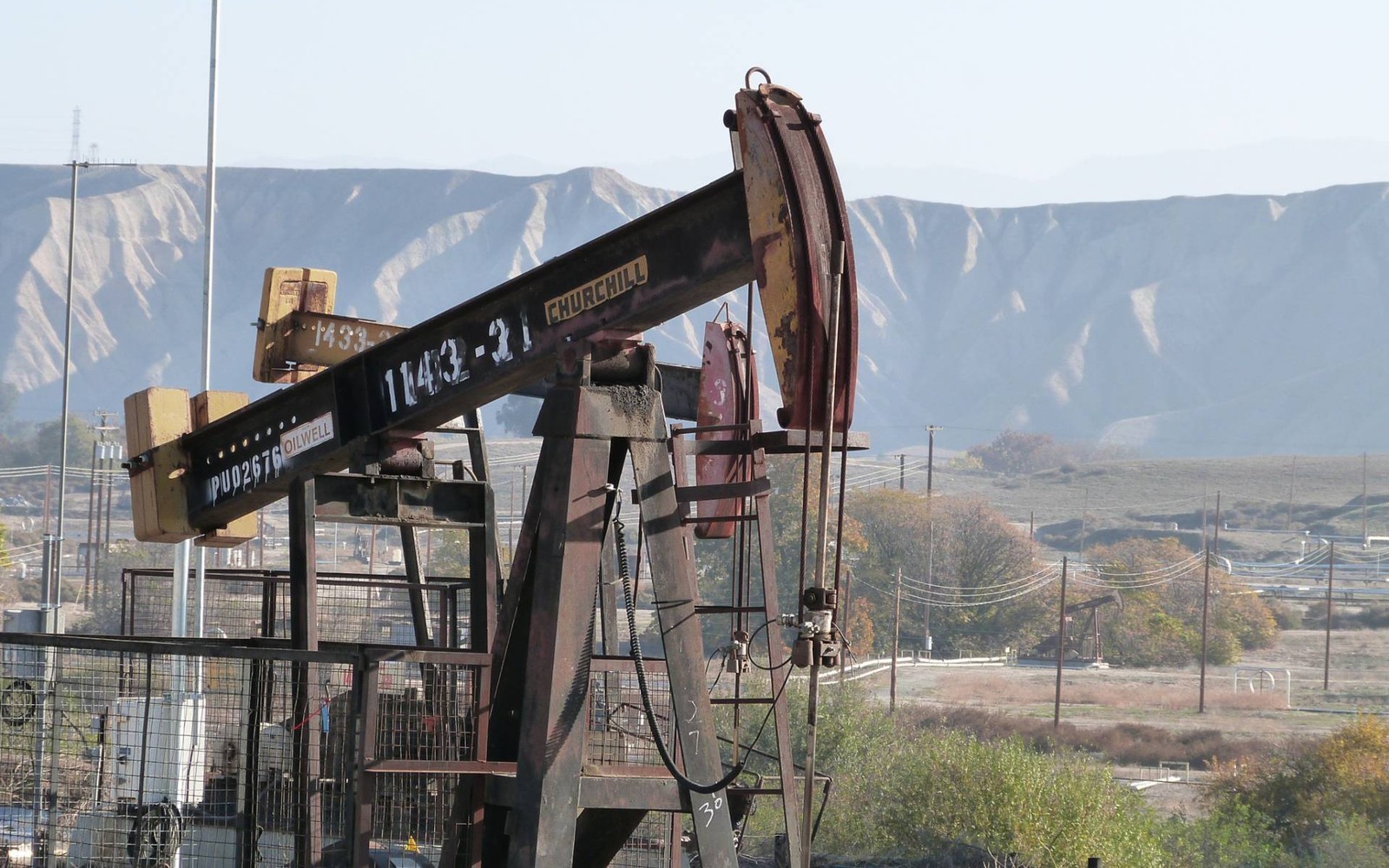
Washington County was producing oil before most of eastern Ohio's shale counties had ever heard of a landman, and Vincent sits in a part of that older oil history that predates the modern Utica boom by a full century and more.
Vincent is an unincorporated community in Washington County, near where the Muskingum River meets the Ohio, in the flank portion of the modern Utica/Point Pleasant play. Long before shale drilling, this part of Ohio was home to shallow conventional oil production going back to the 1860s, part of the broader Macksburg oil field area that made Washington County one of the earliest producing regions in the state.
That layered history means land near Vincent can carry mineral interests tied to old shallow conventional wells, modern deep shale rights, or both, and sorting out which applies to your family's deed is worth doing before assuming anything about value.
Two different eras of oil and gas under the same land
Shallow conventional wells drilled near Vincent in the 1800s and early 1900s targeted formations far above the deep Utica/Point Pleasant shale that modern horizontal wells reach. Some of these old shallow wells may still be marginally producing or long since plugged, while the deep rights below have only become commercially relevant in the past decade or so.
A deed reserving oil and gas rights generally covers both, but understanding whether there is current activity at either level requires checking separate records, historical well files for the shallow zone and modern permit data for the deep formation.
Confirming ownership through Washington County records
The Washington County Recorder's office in Marietta, the oldest permanent settlement in the old Northwest Territory, holds deed records that in some cases stretch back further than almost anywhere else in the state. Tracing a mineral reservation near Vincent can mean working through several generations of transfers.
We handle that research directly, confirming your documented percentage before any offer is made.
What this history means for selling today
If your interest near Vincent has no connection to modern deep shale activity, its value is likely tied primarily to any residual shallow production or simply to its long-term potential. If it sits within or near a modern pooled unit, current royalty or lease terms become the primary factor.
We check both angles before quoting, and explain clearly which one applies to your specific situation.
Begin with the local record trail
A mineral review in the county starts with the county recorder, legal description, deed chain, reservations, affidavits, notices, lease, units, division orders, payor records, statements, and Ohio well data.
Route Ohio title questions correctly
Probate, marital property, dormant-mineral procedure, pooling, recording, transfer, regulatory filings, and payor notices can change the file in the county. Qualified advisers should review legal and tax questions.
Keep the local review tract-specific
Use local context as a prompt, not a valuation shortcut. The county mineral docket then reconciles the exact tract against gross and net acres, ownership fraction, recorded notices, producing and inactive wells, paid decimal, recent statements, lease burdens, title exceptions, and the complete written offer.