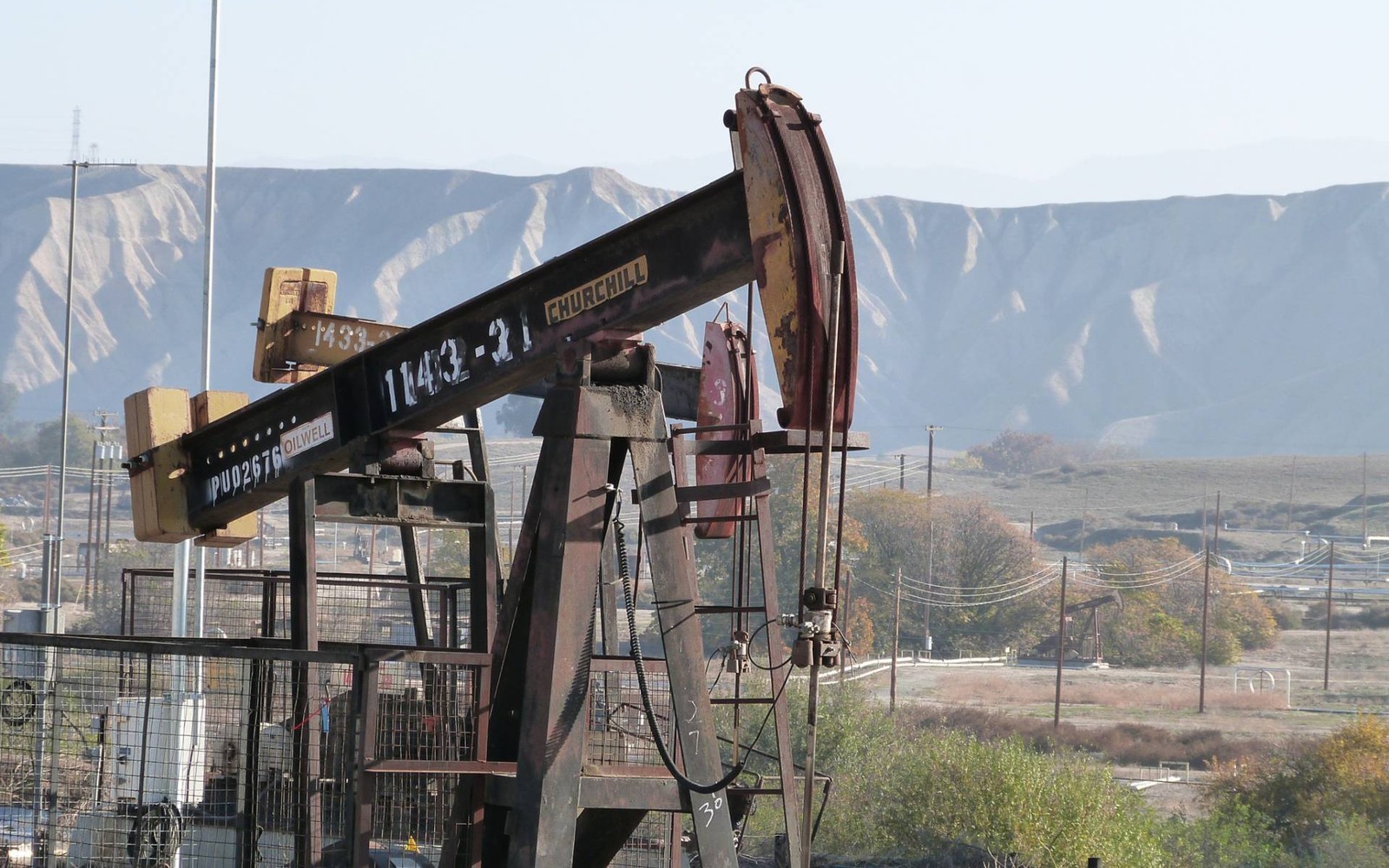
Wintersville grew as Steubenville's population spread outward, and the mineral rights tied to land here often trace back to farms that existed long before the subdivisions and shopping centers did.
Wintersville sits just west of Steubenville in Jefferson County, on the flank of the Utica/Point Pleasant play. As the community grew from farmland into a residential suburb over the second half of the 1900s, mineral rights under much of the land were reserved or transferred separately from the surface development that followed.
For families near Wintersville who trace their property back to an earlier farm, understanding what happened to the mineral rights during that transition is the key question before anything about value comes up.
From farmland to suburb, and what happened to the minerals
When farms near Wintersville were sold and developed into residential lots, mineral rights were sometimes retained by the original farming family and sometimes sold along with the surface. There is no single pattern across the area, which is why individual title research matters.
A search of the Jefferson County Recorder's records in Steubenville shows exactly what happened for your specific property, whether you are a current homeowner or a descendant of the original farm family.
Checking activity on the Jefferson County flank
Jefferson County generally sees less concentrated drilling than the deep core counties to the south, though it plays a role in the broader region's gas gathering and transport infrastructure. Activity around Wintersville specifically depends on the township.
We check current Ohio Department of Natural Resources records for your parcel before discussing value, since suburban development does not by itself indicate anything about mineral activity below.
Selling a confirmed interest near Wintersville
Once ownership is confirmed, whether you hold a small legacy interest from a family farm or something more recently acquired, we put together a written offer reflecting your documented share and current conditions.
The process is the same whether your interest sits under a residential lot or open farmland, since mineral rights are evaluated independently of surface use.
Begin with the local record trail
A mineral review in the county starts with the county recorder, legal description, deed chain, reservations, affidavits, notices, lease, units, division orders, payor records, statements, and Ohio well data.
Route Ohio title questions correctly
Probate, marital property, dormant-mineral procedure, pooling, recording, transfer, regulatory filings, and payor notices can change the file in the county. Qualified advisers should review legal and tax questions.
Keep the local review tract-specific
Use local context as a prompt, not a valuation shortcut. The county mineral docket then reconciles the exact tract against gross and net acres, ownership fraction, recorded notices, producing and inactive wells, paid decimal, recent statements, lease burdens, title exceptions, and the complete written offer.