
Do you need a full title search before selling?
A serious buyer will do one as part of confirming the purchase, but it helps to know in advance if there are any obvious issues, like an unresolved estate, so they can be addressed early.
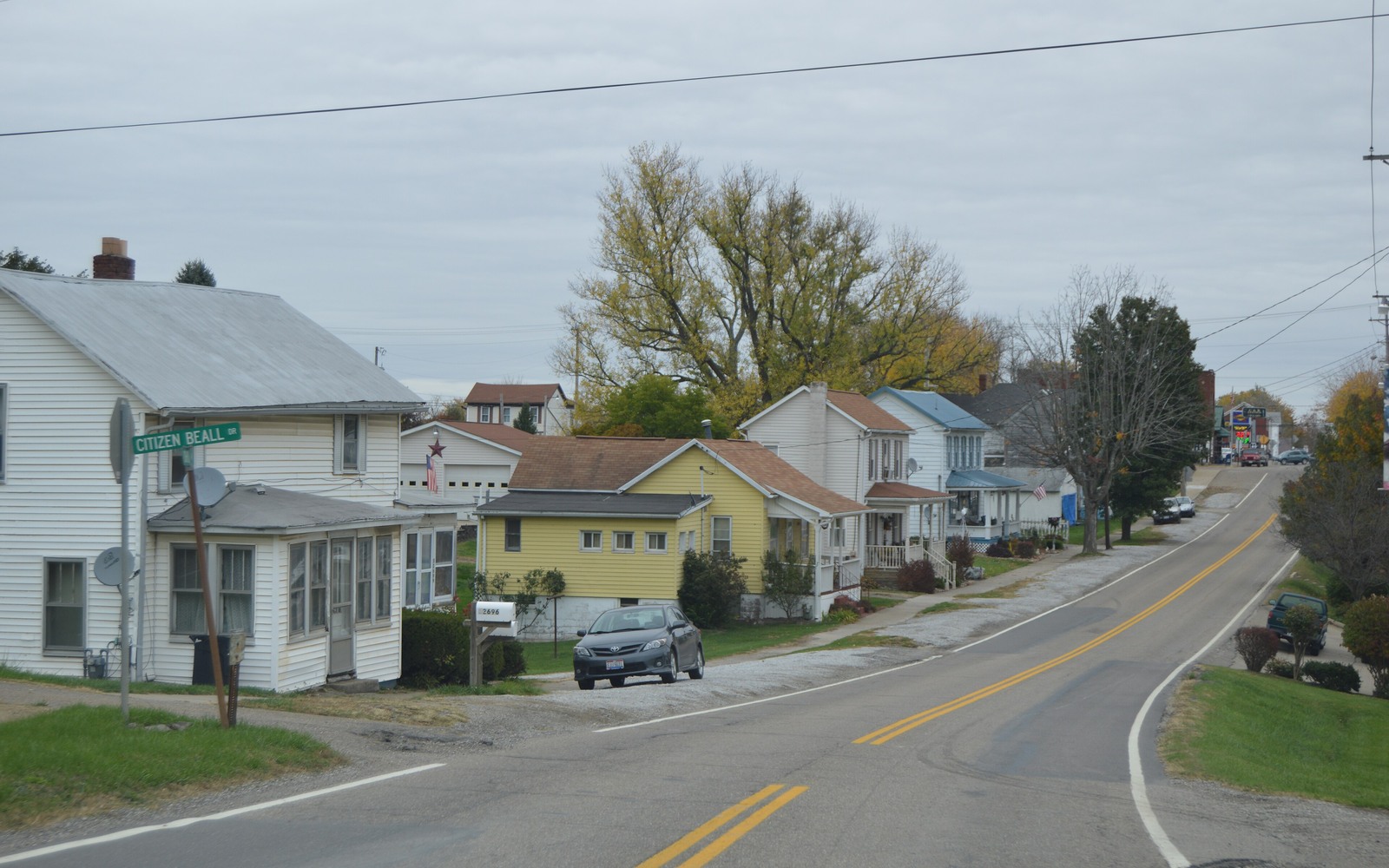
Beallsville is a small Monroe County village surrounded by some of the deepest, most consistently productive Utica ground in Ohio.
Selling minerals near Beallsville usually starts and ends at the courthouse, not the well pad. Monroe County's recorder in Woodsfield holds the deed, lease, and division order history that determines what you actually own and whether it's clear enough to sell, and that paperwork trail matters more to a serious buyer than any story about how good the wells nearby are said to be.
That's not to undersell the geology. Monroe County wells have posted some of the strongest per-well production figures in the state, and Beallsville sits inside that core footprint, but the courthouse work is what turns a family legend about 'the minerals grandpa kept' into a sellable, verifiable interest.
A full title search at the Monroe County Recorder's office traces every deed, lease, and mineral severance recorded against your legal description, typically going back to the original patent or the earliest recorded transaction. For a Beallsville-area tract, that search will show whether the surface and minerals were ever split, when, and under what terms, along with any current lease and its expiration or held-by-production status.
If your family has an old abstract of title, that can shortcut some of this work, but it's worth confirming nothing has changed since it was last updated.
If your tract is inside an active spacing unit, which is common in this part of Monroe County, your division order and royalty statements are the most useful documents for establishing current value. They show the exact well or wells your interest is tied to, your decimal share, and recent production trends rather than a general estimate.
It's common for rural Monroe County tracts to have title complications: an estate that was never formally closed, a missing heir, or an old, unreleased lease still sitting on the record. None of these are unusual or necessarily deal-breaking, but they typically need to be resolved, often with an attorney's help, before a sale can close. Flagging any of these issues early saves time later in the process.
A mineral review in the county starts with the county recorder, legal description, deed chain, reservations, affidavits, notices, lease, units, division orders, payor records, statements, and Ohio well data.
Probate, marital property, dormant-mineral procedure, pooling, recording, transfer, regulatory filings, and payor notices can change the file in the county. Qualified advisers should review legal and tax questions.
Use local context as a prompt, not a valuation shortcut. The county mineral docket then reconciles the exact tract against gross and net acres, ownership fraction, recorded notices, producing and inactive wells, paid decimal, recent statements, lease burdens, title exceptions, and the complete written offer.
Questions Ohio owners ask
A serious buyer will do one as part of confirming the purchase, but it helps to know in advance if there are any obvious issues, like an unresolved estate, so they can be addressed early.
That needs to be reviewed to determine whether it's still active or simply was never formally released after expiring. Either way, it should be sorted out before closing.
Primarily from your division order and royalty statements, which show your actual decimal interest and recent production, weighed against how the well's output has trended over time.
Yes, though you'll need to establish your legal right to the interest through the estate paperwork first. We can point you toward what's typically needed.
Keep reading before you sign
Own mineral rights near Bellaire on the Ohio River in Belmont County? See how proximity to midstream infrastructure affects value and get a cash offer.
Own mineral rights near Belle Valley, Noble County, along the historic Duck Creek oil field? Understand old severances and get a straightforward cash offer.
Own mineral rights near the village of Belmont in Belmont County's Utica core? Learn what an offer depends on and get a cash offer with no obligation.
Put your county record in front of a buyer
Share the Ohio county, owner name, interest type, producing status, available statements, and the decision that needs a clearer answer.