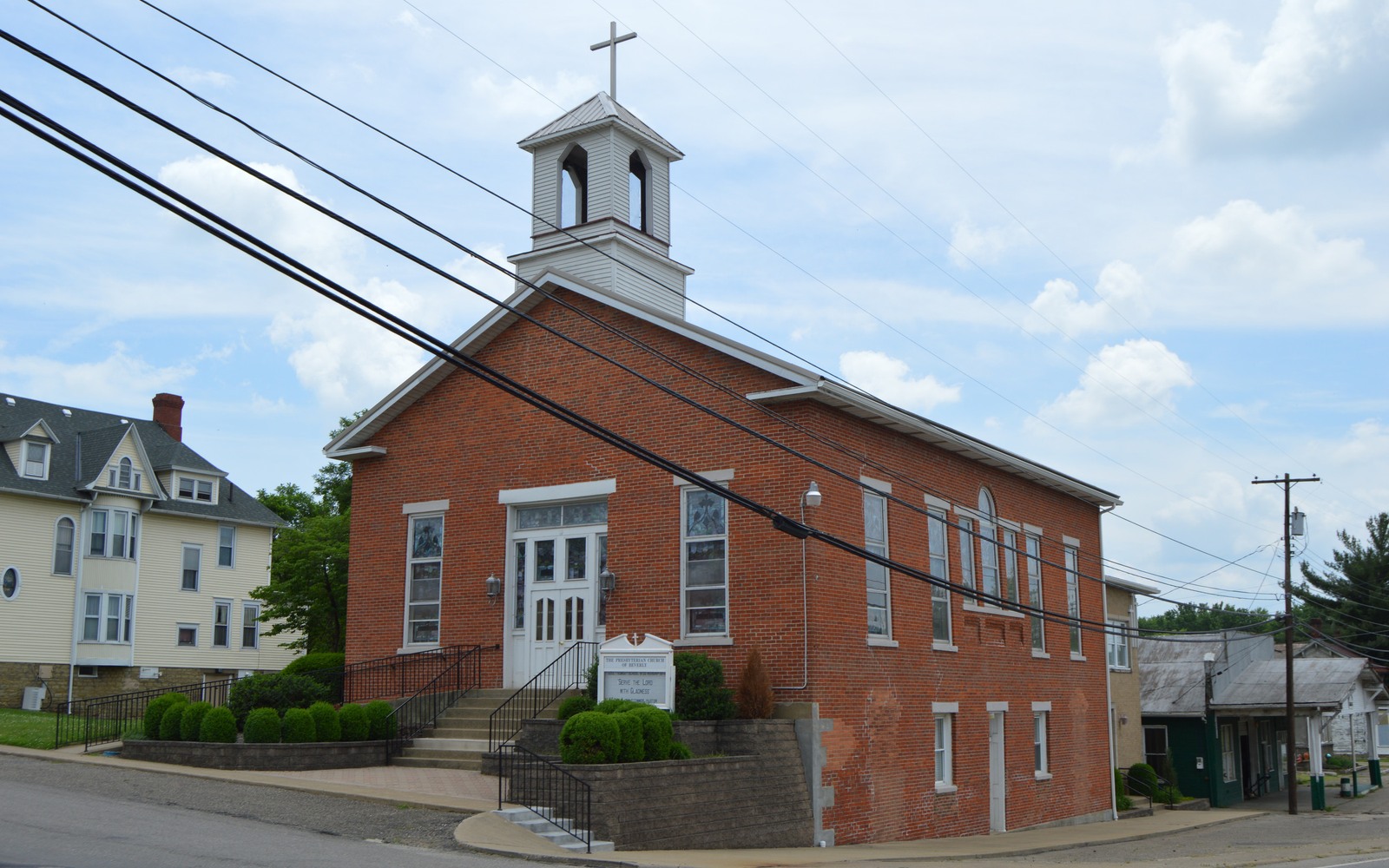
Beverly sits along the Muskingum River in Washington County, ground that's held oil and gas wells, in one form or another, for well over a century.
The Muskingum River valley around Beverly has a long history of Clinton sandstone production, shallow wells drilled decades before the deeper Utica/Point Pleasant target became the industry's focus. If your family has owned minerals here for generations, it's worth figuring out early which formation any existing lease or severance actually covers, since that shapes what's available to sell today.
This part of Washington County sits on the flank of current Utica development, so newer horizontal activity has been lighter here than in the core counties further north and east.
Old Clinton wells and what they mean for your title
Many Beverly-area tracts have a Clinton-era lease or severance somewhere in the deed history, sometimes from a well that produced modestly for years and eventually went dry or was plugged decades ago. That old instrument doesn't automatically disappear from the record, it needs to be accounted for when tracing whether your family's current interest is clean and what depths it covers.
A title search at the Washington County Recorder's office in Marietta will surface this history and confirm whether an old lease is still technically in force or has lapsed.
Flank-position value near Beverly
Because horizontal Utica development has moved through this area more slowly than the core, unleased or undeveloped acreage near Beverly is generally valued with more weight on uncertainty than a similar tract in Belmont or Harrison County would carry. A producing interest, current or with a documented history, changes that picture considerably.
When old severances go dormant
Tracts with old Clinton-era severances and long gaps in activity since are a common profile for dormant mineral questions in Ohio. If your family's interest sat with no lease, no production, and no recorded claim for a continuous 20-year stretch, it could be exposed under ORC 5301.56 to an abandonment claim by the surface owner. Checking the recorder's index for any such notice is worth doing before you assume an old interest is still fully yours to sell.
Begin with the local record trail
A mineral review in the county starts with the county recorder, legal description, deed chain, reservations, affidavits, notices, lease, units, division orders, payor records, statements, and Ohio well data.
Route Ohio title questions correctly
Probate, marital property, dormant-mineral procedure, pooling, recording, transfer, regulatory filings, and payor notices can change the file in the county. Qualified advisers should review legal and tax questions.
Keep the local review tract-specific
Use local context as a prompt, not a valuation shortcut. The county mineral docket then reconciles the exact tract against gross and net acres, ownership fraction, recorded notices, producing and inactive wells, paid decimal, recent statements, lease burdens, title exceptions, and the complete written offer.