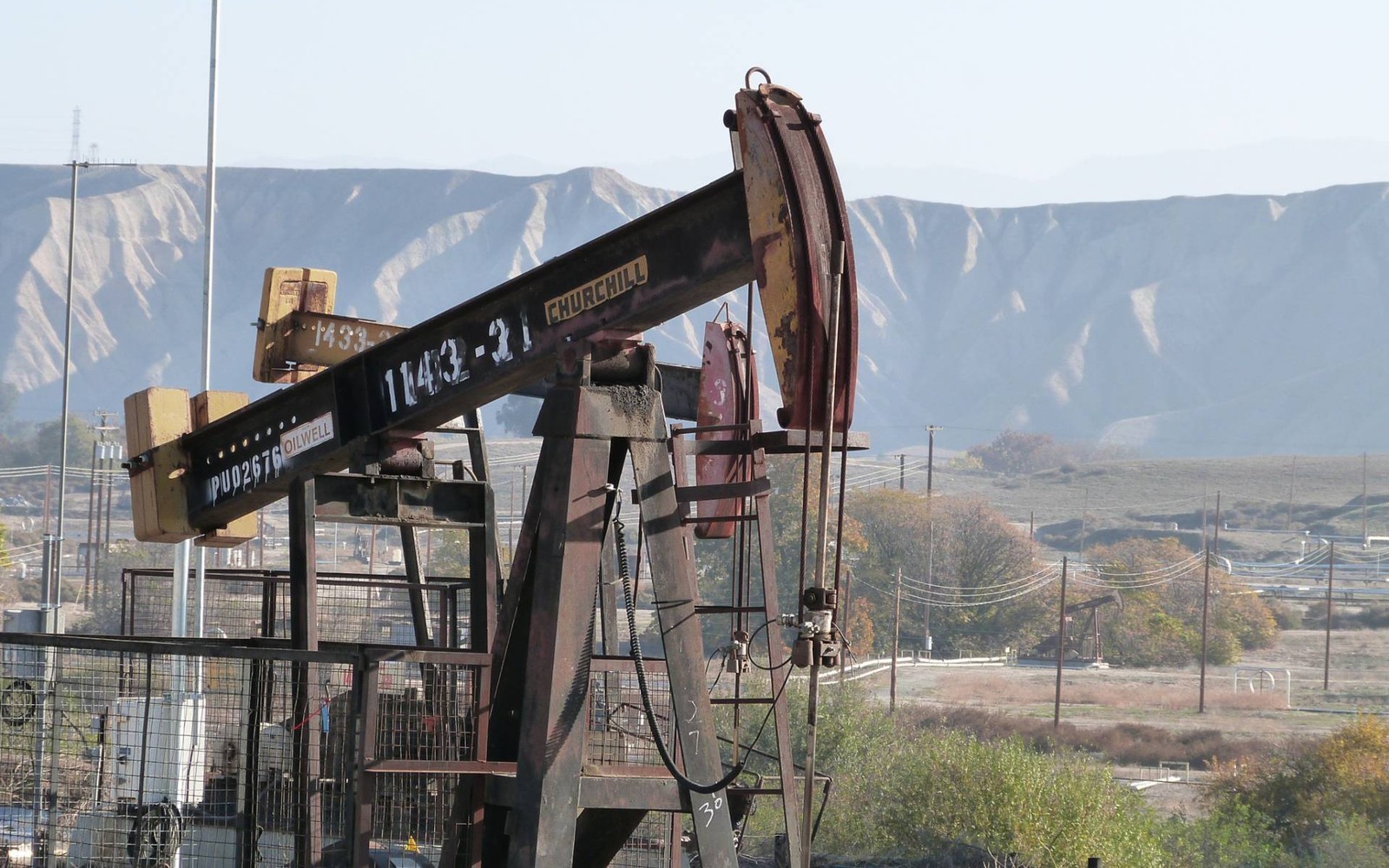
Bloomingdale sits in western Jefferson County, close enough to the Harrison County line that its geology and its neighbors' drilling activity tend to overlap.
A lot of Bloomingdale-area landowners have watched activity ramp up just across the county line in Harrison, and wondered whether their own minerals are worth anything at all if a well hasn't been drilled directly under their tract yet. It's a fair question, and the honest answer is that value here depends heavily on your specific parcel's position relative to existing units, not only the county it happens to sit in.
We can't quote a number without knowing your tract, and anyone who does without asking questions first isn't giving you a real assessment. What we can walk through is how offers on ground like this typically get built.
What actually moves the number on an offer
Three things carry the most weight: whether your tract is currently leased, whether there's an active or historical well tied to it, and how close the nearest producing unit sits. A tract with a current lease and royalty history is priced against real numbers. An unleased tract near an active unit is priced on likely near-term development. An unleased tract with no nearby activity carries the most uncertainty, and offers reflect that honestly rather than pretending otherwise.
Any range we give you will be tied to these specifics and to recent activity in the township, not a flat countywide number, because flat numbers don't hold up when two neighboring tracts can have very different production stories.
Confirming what you own first
Before value even comes up, we need to confirm your legal description and fractional interest, if any, against the Jefferson County Recorder's records in Steubenville. That's the same first step regardless of whether your tract turns out to be highly active or entirely undeveloped.
Dormant mineral considerations near the county line
Western Jefferson County has plenty of older, quieter mineral severances that predate the current shale boom. If your family's interest has sat unused for 20 years with no lease, no production, and no recorded claim to preserve, Ohio's Dormant Mineral Act, ORC 5301.56, gives a surface owner grounds to pursue reclaiming it. It's worth a quick check of the recorder's index before assuming a long-quiet interest is still yours.
Begin with the local record trail
A mineral review in the county starts with the county recorder, legal description, deed chain, reservations, affidavits, notices, lease, units, division orders, payor records, statements, and Ohio well data.
Route Ohio title questions correctly
Probate, marital property, dormant-mineral procedure, pooling, recording, transfer, regulatory filings, and payor notices can change the file in the county. Qualified advisers should review legal and tax questions.
Keep the local review tract-specific
Use local context as a prompt, not a valuation shortcut. The county mineral docket then reconciles the exact tract against gross and net acres, ownership fraction, recorded notices, producing and inactive wells, paid decimal, recent statements, lease burdens, title exceptions, and the complete written offer.