Blaine is a small unincorporated community in Belmont County, and mineral ownership here tends to run in small, inherited fractional shares more than whole tracts.
If you own minerals near Blaine, there's a good chance you hold a fraction of a tract rather than the whole thing, split among siblings or cousins after a family farm passed down over one or more generations. In a county as heavily drilled as Belmont, even a small fractional interest sitting inside an active spacing unit can be worth a real conversation.
The trick is confirming exactly what that fraction amounts to, since 'an Ohio mineral owner's old farm' isn't a legal description a title search can use, but the recorded deed behind it is.
Turning family history into a legal description
Start with whatever paperwork exists, an old deed, a will, an estate inventory, and check it against the Belmont County Recorder's index in St. Clairsville. What you're looking for is the specific legal description (section, township, range, or metes and bounds) tied to the tract, along with any recorded severance showing how and when the minerals were separated from the surface, if they were.
Once that's confirmed, your fractional share, whether it's one-eighth, one-sixteenth, or something more unusual, can be translated into a net mineral acreage figure that a buyer can actually work with.
Why small shares in Belmont County still matter
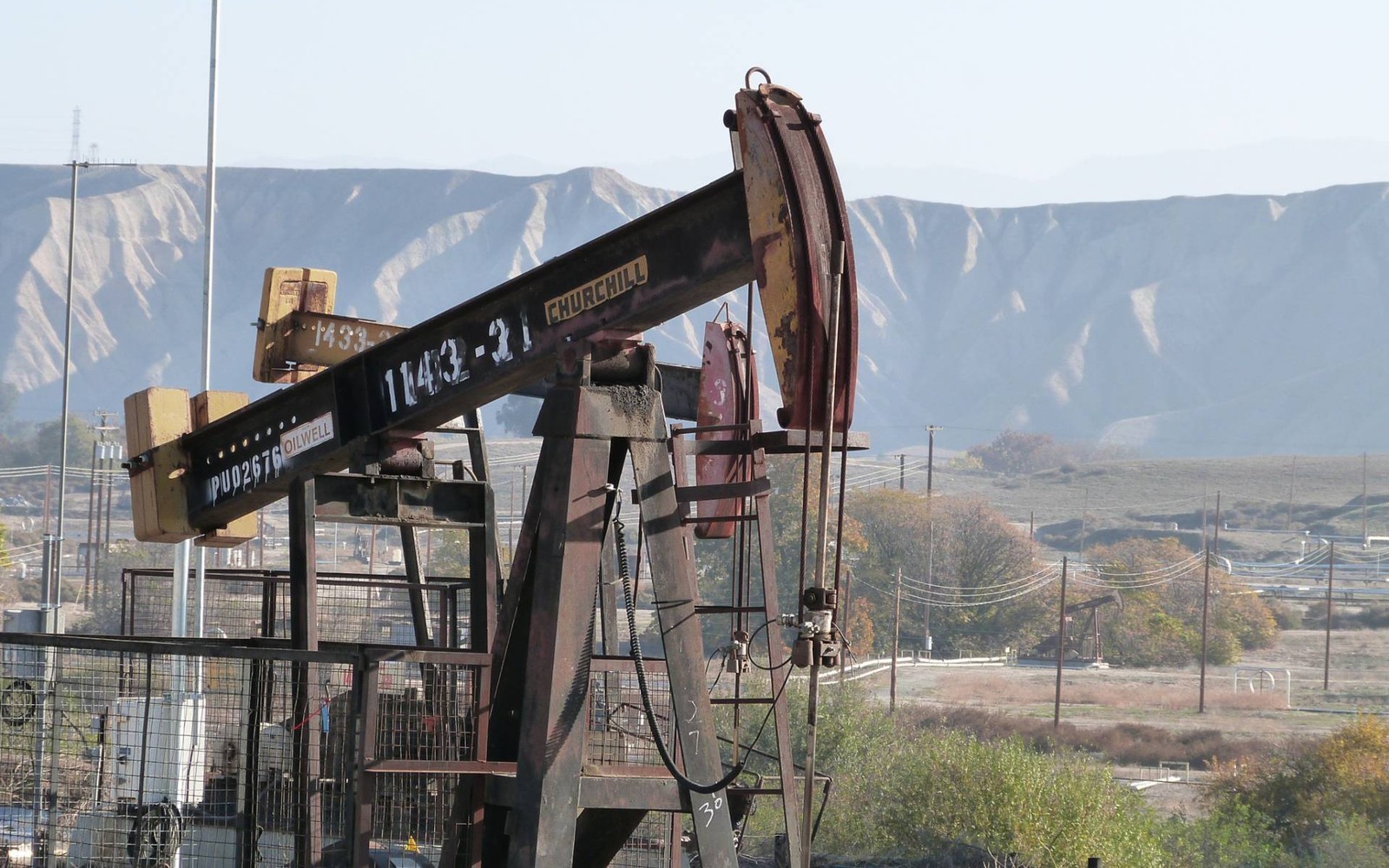
Belmont County's Utica core has enough well density that a small interest sitting inside or near an active unit can still generate a meaningful royalty stream and, correspondingly, a meaningful offer. It's a different calculation than a small share in an undeveloped county, where the same fraction carries a lot more uncertainty.
Coordinating with other heirs
It's common near Blaine for a single legacy tract to now involve five, ten, or more heirs, each with their own small share. You don't need everyone to agree to sell your own portion, but if several family members are interested, we're glad to work through the same tract with multiple people at once, which tends to be simpler for everyone than handling it piecemeal.
Begin with the local record trail
A mineral review in the county starts with the county recorder, legal description, deed chain, reservations, affidavits, notices, lease, units, division orders, payor records, statements, and Ohio well data.
Route Ohio title questions correctly
Probate, marital property, dormant-mineral procedure, pooling, recording, transfer, regulatory filings, and payor notices can change the file in the county. Qualified advisers should review legal and tax questions.
Keep the local review tract-specific
Use local context as a prompt, not a valuation shortcut. The county mineral docket then reconciles the exact tract against gross and net acres, ownership fraction, recorded notices, producing and inactive wells, paid decimal, recent statements, lease burdens, title exceptions, and the complete written offer.