
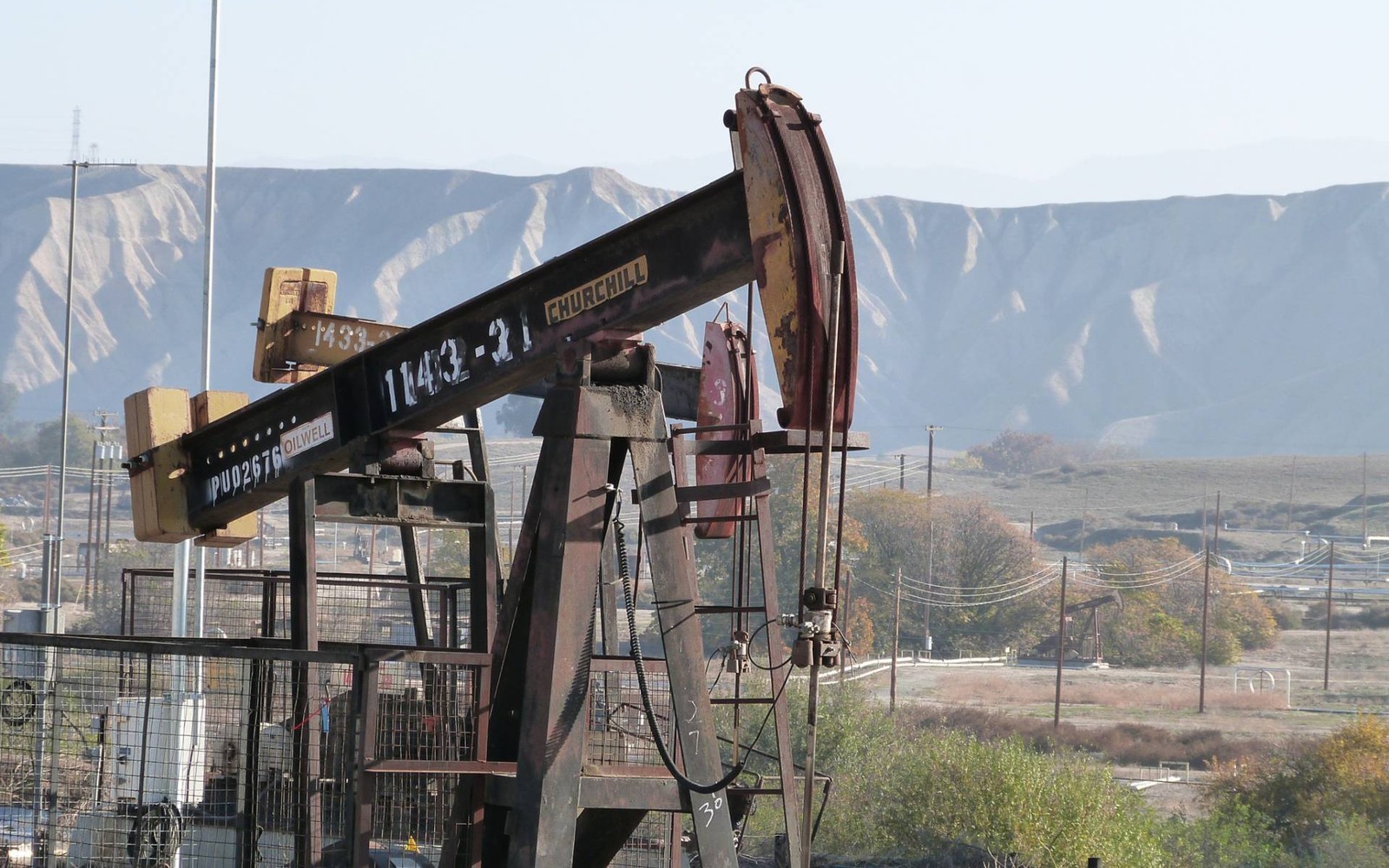
Is Dexter City in an actively producing area?
Noble County has seen substantial Utica/Point Pleasant development, so many tracts in and around Dexter City sit inside producing units, though this varies parcel to parcel depending on exact location.
Dexter City is a small unincorporated community in Noble County, and Noble County is one of the counties operators have targeted hardest since the Utica play was proven out.
Dexter City sits along State Route 78 in Noble County, whose county seat, Caldwell, anchors an area that's been part of the Utica/Point Pleasant core since the play's earliest years. Noble County land was farmed for generations before shale drilling, and it also carries an older oil history tied to the Macksburg field just to the west in Washington County, so tracts here can have layered production history rather than a single clean story.
Noble County has hosted dense horizontal development since the early 2010s, with operators drilling multi-well pads across many of its townships. That density means a lot of mineral tracts here sit inside actively producing spacing units, which is good news for owners because it means real royalty history usually exists to price against, rather than a speculative estimate based only on nearby activity.
It also means tracts can be pooled into more than one unit if a company drilled additional laterals from a different pad years after the first well, so confirming exactly which unit or units your acreage belongs to matters before anyone puts a number on it.
Much of the mineral ownership around Dexter City traces back to family farms, split among children and grandchildren over the decades, which means small fractional interests are the norm rather than the exception. If you're one of several heirs holding a piece of a larger reserved interest, a title search through the Noble County Recorder in Caldwell is how you confirm your exact decimal share before any sale conversation goes further.
A mineral review in the county starts with the county recorder, legal description, deed chain, reservations, affidavits, notices, lease, units, division orders, payor records, statements, and Ohio well data.
Probate, marital property, dormant-mineral procedure, pooling, recording, transfer, regulatory filings, and payor notices can change the file in the county. Qualified advisers should review legal and tax questions.
Use local context as a prompt, not a valuation shortcut. The county mineral docket then reconciles the exact tract against gross and net acres, ownership fraction, recorded notices, producing and inactive wells, paid decimal, recent statements, lease burdens, title exceptions, and the complete written offer.
Questions Ohio owners ask
Noble County has seen substantial Utica/Point Pleasant development, so many tracts in and around Dexter City sit inside producing units, though this varies parcel to parcel depending on exact location.
Your most recent royalty statement will show it directly if you're currently receiving one. If not, a title search through the Noble County Recorder tracing your deed back to the original severance is the reliable way to work it out.
It can complicate the picture if your deed language covers 'all oil and gas' without naming a formation, since older conventional production and newer Utica activity may both be relevant to the same tract.
Bring your deed, any lease documents, and your most recent royalty statement if you have one. Those establish your net mineral acres and decimal interest, which is what any real offer gets built on.
Keep reading before you sign
Dillonvale sits in Jefferson County, a former coal-mining village where old mineral severances are common. See what that means before you sell.
Dover sits in Tuscarawas County on the Utica flank, with a long history of shallow oil and gas production. Learn what that means for your minerals.
Dundee sits in northern Tuscarawas County near the Holmes County line. See what flank-position geology means for your mineral interest before selling.
Put your county record in front of a buyer
Share the Ohio county, owner name, interest type, producing status, available statements, and the decision that needs a clearer answer.