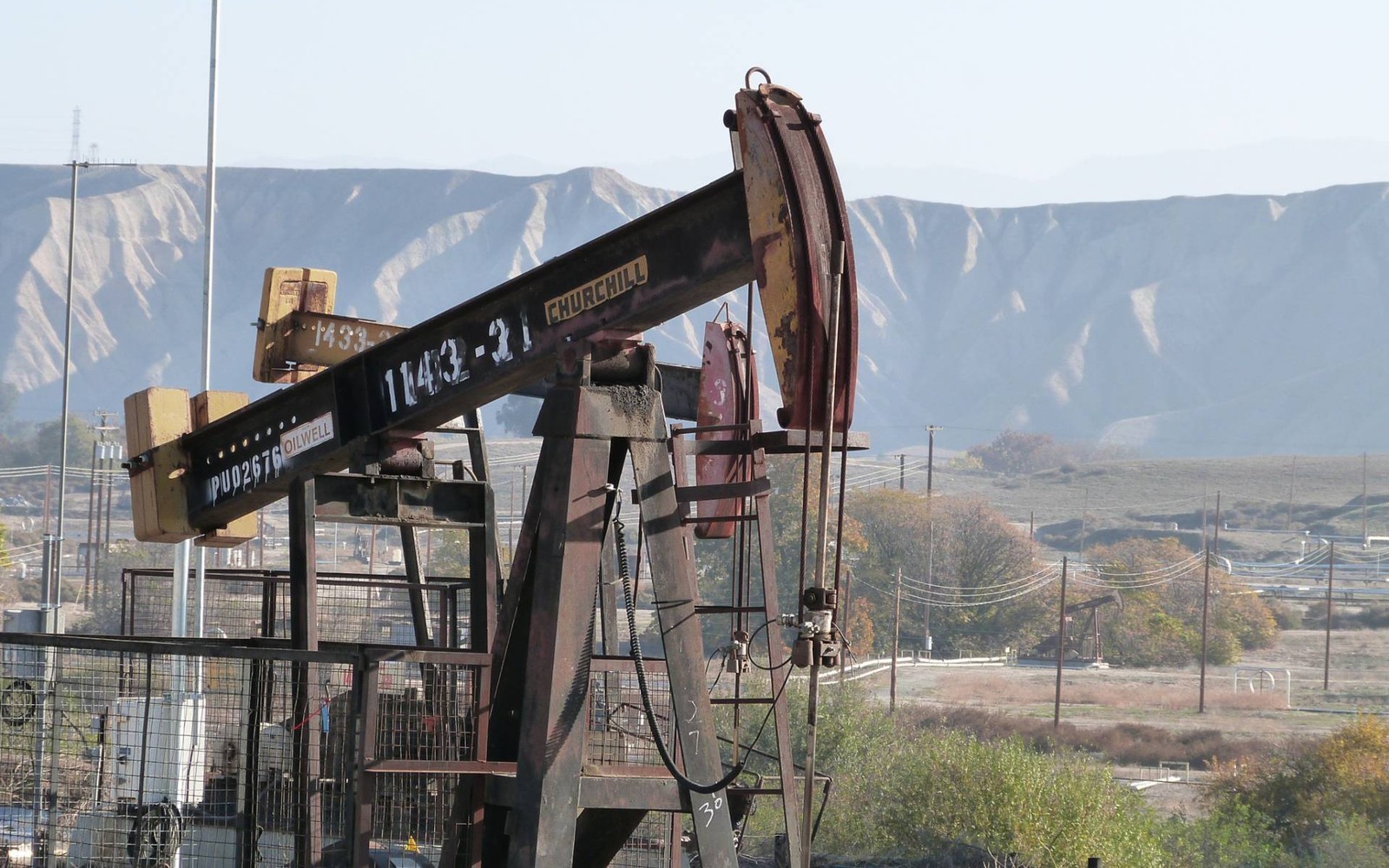
Devola sits just north of Marietta along the Muskingum River, in a county whose oil and gas history runs back to some of the earliest drilling in the state.
Devola is an unincorporated community in Washington County, close enough to Marietta that many residents consider it part of the same area, and Washington County itself has one of the longest oil and gas production histories in Ohio, dating back well over a century before the Utica play was ever discussed. Positioned on the flank rather than the core of the modern Utica/Point Pleasant fairway, this part of the county has seen less horizontal drilling than counties like Noble or Monroe just to the east, but legacy production and mineral severances here run deep.
A county with two very different production eras
Washington County's oil history predates the shale era by generations, with shallow conventional wells scattered across the county going back to the 1800s. Modern Utica/Point Pleasant activity has been more concentrated in the eastern part of the county, closer to the Noble County line, which means a Devola-area tract's value depends heavily on whether it sits near any newer horizontal unit or only carries legacy conventional history.
What to check before assuming your minerals are inactive
Because Washington County has such a long production history, some old leases and mineral reservations here are easy to lose track of across generations. A search through the Washington County Recorder's index in Marietta will show any lease, assignment, or affidavit filed against your parcel, which is the starting point for figuring out whether your interest is currently leased, has expired, or was never leased at all.
Begin with the local record trail
A mineral review in the county starts with the county recorder, legal description, deed chain, reservations, affidavits, notices, lease, units, division orders, payor records, statements, and Ohio well data.
Route Ohio title questions correctly
Probate, marital property, dormant-mineral procedure, pooling, recording, transfer, regulatory filings, and payor notices can change the file in the county. Qualified advisers should review legal and tax questions.
Keep the local review tract-specific
Use local context as a prompt, not a valuation shortcut. The county mineral docket then reconciles the exact tract against gross and net acres, ownership fraction, recorded notices, producing and inactive wells, paid decimal, recent statements, lease burdens, title exceptions, and the complete written offer.