Does Dover have current Utica or Point Pleasant drilling?
Development in this part of Tuscarawas County has been lighter than in core counties further east, though activity can vary by township, so it's worth checking specifically for your parcel.
Dover is one of the larger towns in Tuscarawas County, and its mineral history reflects a county that's produced oil and gas quietly for generations without ever becoming a Utica hotspot.
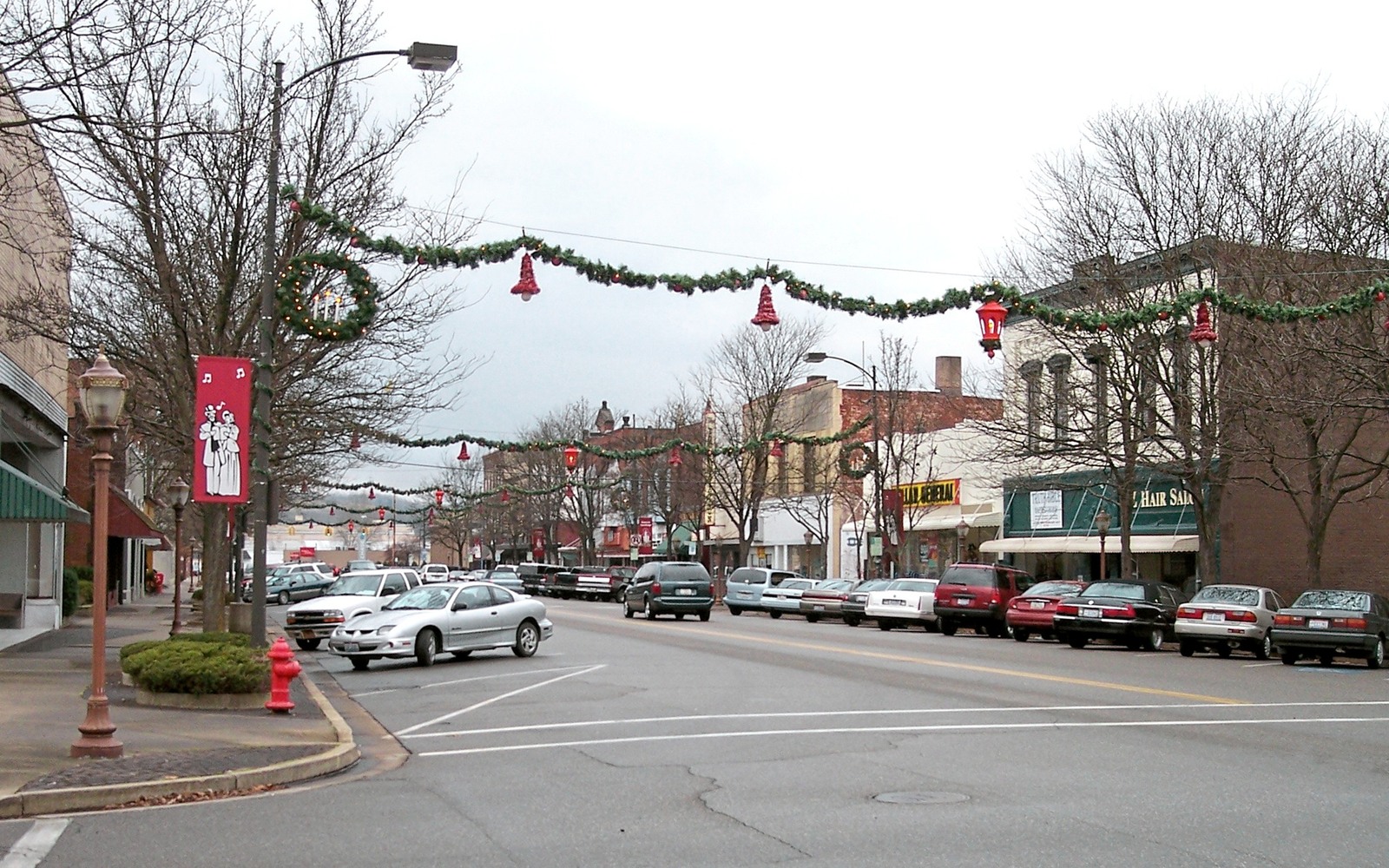
Dover sits along the Tuscarawas River across from New Philadelphia, the county seat, in an area whose economy historically leaned on steel, brick manufacturing and farming. Tuscarawas County has hosted shallow conventional and Clinton sandstone wells for decades, and while it falls on the Utica flank rather than the core belt to the east, mineral ownership here is still very real, often tied up in family land that's been passed down since the early 20th century.
Most of the production history around Dover comes from older, shallower wells rather than modern horizontal Utica development, which has been more selective on this side of Tuscarawas County. If your family has held mineral rights here for generations, there's a reasonable chance an old Clinton sandstone well or lease sits somewhere in the chain of title, even if no one currently receives a royalty check.
Dover-area mineral tracts are frequently split among multiple heirs after passing through two or three generations without a formal partition. A title search through the Tuscarawas County Recorder in New Philadelphia is the way to establish your current decimal interest, particularly if the original severance deed used fractional language like 'one-half of all oil and gas' rather than a specific number of net mineral acres.
A mineral review in the county starts with the county recorder, legal description, deed chain, reservations, affidavits, notices, lease, units, division orders, payor records, statements, and Ohio well data.
Probate, marital property, dormant-mineral procedure, pooling, recording, transfer, regulatory filings, and payor notices can change the file in the county. Qualified advisers should review legal and tax questions.
Use local context as a prompt, not a valuation shortcut. The county mineral docket then reconciles the exact tract against gross and net acres, ownership fraction, recorded notices, producing and inactive wells, paid decimal, recent statements, lease burdens, title exceptions, and the complete written offer.
Questions Ohio owners ask
Development in this part of Tuscarawas County has been lighter than in core counties further east, though activity can vary by township, so it's worth checking specifically for your parcel.
It might, if the well is still producing and the lease has been held by production. If the well was plugged or the lease lapsed, a newer lease would be required for any future development.
Your deed states your fractional interest, and multiplying that by the tract's total acreage gives your net mineral acres, though a title search confirms this is accurate against the recorded chain of title.
Your deed, any lease or assignment, and recent royalty statements if you have them. Without those, a buyer can only offer a rough range based on general area activity rather than your specific interest.
Keep reading before you sign
Dundee sits in northern Tuscarawas County near the Holmes County line. See what flank-position geology means for your mineral interest before selling.
East Palestine sits in Columbiana County near the Pennsylvania line, on the Utica flank. See what that geology means for a mineral rights sale.
East Rochester sits in Columbiana County on the Utica flank. Learn how flank-position geology and old farm deeds shape your mineral interest's value.
Put your county record in front of a buyer
Share the Ohio county, owner name, interest type, producing status, available statements, and the decision that needs a clearer answer.