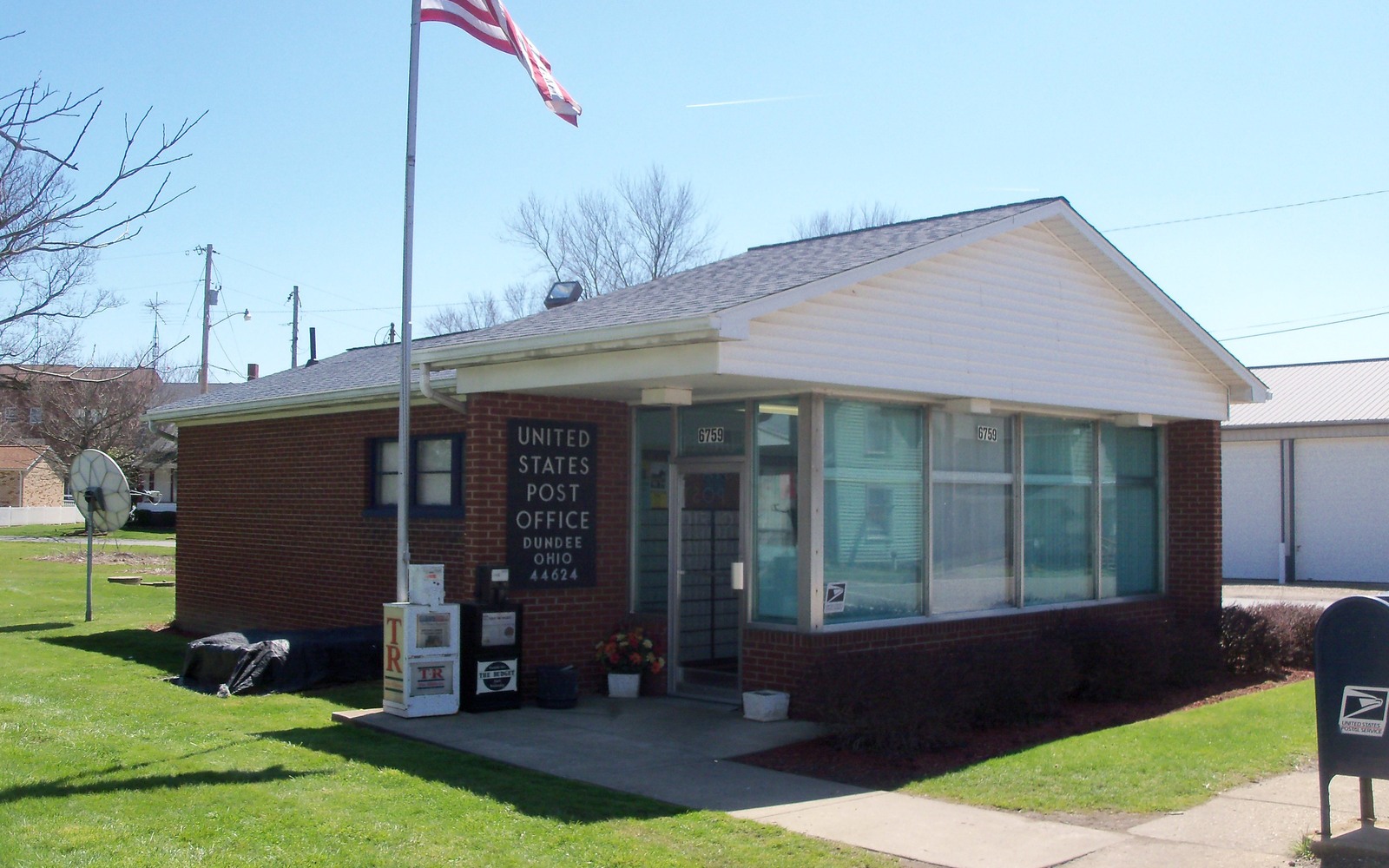
Dundee sits at the far northern edge of Tuscarawas County, close enough to Ohio's Amish country that a lot of the land around it has stayed in the same families for generations.
Dundee is a small unincorporated community near the Holmes County line in northern Tuscarawas County, an area defined more by farmland and Amish and Mennonite settlement than by industrial or drilling activity. This part of the county sits well toward the flank of the Utica/Point Pleasant play, and horizontal development has generally concentrated further south and east, closer to the core counties. That doesn't mean mineral ownership here is worthless, it means the value conversation depends more heavily on lease and production status than it would in a heavily drilled county.
What flank-edge positioning means around Dundee
Being at the northern edge of the play's flank, tracts around Dundee are less likely to sit inside an active spacing unit than tracts closer to Harrison or Guernsey counties. Some Dundee-area mineral owners hold interests that have never been leased at all, which is normal for this part of the county and simply means value gets priced against nearby comparable activity rather than existing royalty history.
Confirming ownership on long-held family land
Land around Dundee has often stayed within the same family for multiple generations without much turnover, which can actually simplify a title search since there are fewer conveyances to trace. Still, checking the Tuscarawas County Recorder's records for the original severance deed, if minerals were ever separated from the surface at all, is the necessary first step before assuming what you own.
Begin with the local record trail
A mineral review in the county starts with the county recorder, legal description, deed chain, reservations, affidavits, notices, lease, units, division orders, payor records, statements, and Ohio well data.
Route Ohio title questions correctly
Probate, marital property, dormant-mineral procedure, pooling, recording, transfer, regulatory filings, and payor notices can change the file in the county. Qualified advisers should review legal and tax questions.
Keep the local review tract-specific
Use local context as a prompt, not a valuation shortcut. The county mineral docket then reconciles the exact tract against gross and net acres, ownership fraction, recorded notices, producing and inactive wells, paid decimal, recent statements, lease burdens, title exceptions, and the complete written offer.