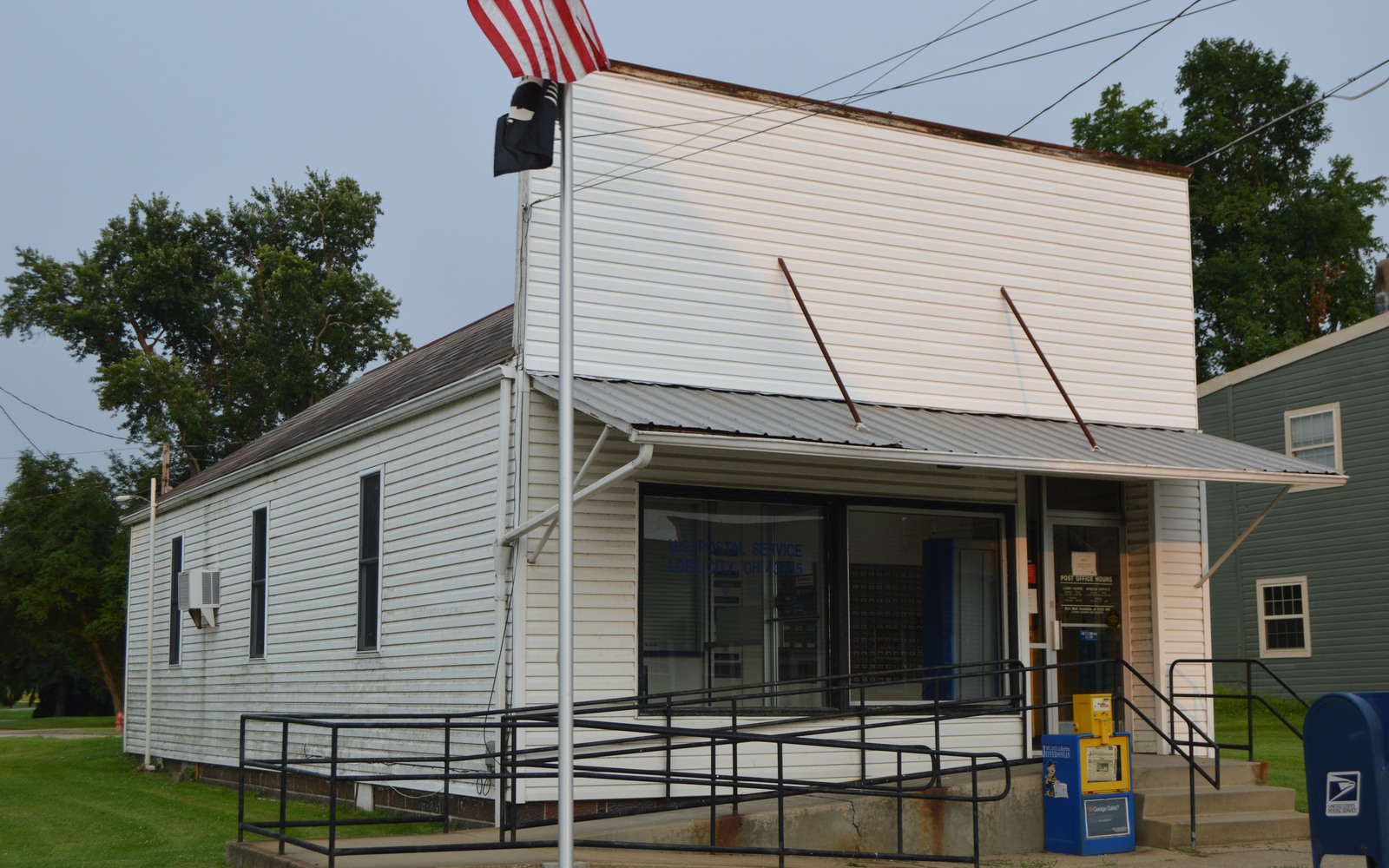
Lore City is a small village in Guernsey County, close to Cambridge, sitting in a part of the Utica core that has drawn steady horizontal drilling since the mid-2010s.
Guernsey County has a layered oil and gas history. Long before anyone talked about the Utica shale, this county had shallow Clinton sandstone wells dotting farms around Lore City, some of them still technically active, most of them producing next to nothing. The modern story is different: deep horizontal wells targeting the Point Pleasant formation, run by operators who lease thousands of acres at a time. If you own minerals near Lore City, you may be sitting on both histories at once.
Two layers of ownership: shallow rights and deep rights
Some older leases in Guernsey County only ever covered shallow formations, leaving the deep Utica/Point Pleasant rights open even on land that's technically 'leased.' Before assuming your minerals are locked up, check exactly which formations your existing lease, if any, actually covers. A lease signed in the 1980s for a stripper well almost never mentions the Point Pleasant by name.
What Cambridge-area drilling activity tells a buyer
Cambridge, the Guernsey County seat, sits close enough to Lore City that permit and unit activity around the county seat is a reasonable proxy for value on nearby tracts. Operators who have drilled in this county include Ascent Resources and, going back further, Gulfport and Chesapeake acreage now largely consolidated under Encino Energy. A buyer valuing your interest will look at how those units are performing before naming a number.
Heirship and the paper trail at the county recorder
Guernsey County land around small villages like Lore City often changed hands through inheritance rather than sale, which means the name on the tax bill and the name on the actual mineral deed don't always match. The Guernsey County Recorder's office in Cambridge is where you confirm the real chain of title before trying to sell, so a buyer isn't stuck untangling probate history mid-transaction.
Begin with the local record trail
A mineral review in the county starts with the county recorder, legal description, deed chain, reservations, affidavits, notices, lease, units, division orders, payor records, statements, and Ohio well data.
Route Ohio title questions correctly
Probate, marital property, dormant-mineral procedure, pooling, recording, transfer, regulatory filings, and payor notices can change the file in the county. Qualified advisers should review legal and tax questions.
Keep the local review tract-specific
Use local context as a prompt, not a valuation shortcut. The county mineral docket then reconciles the exact tract against gross and net acres, ownership fraction, recorded notices, producing and inactive wells, paid decimal, recent statements, lease burdens, title exceptions, and the complete written offer.