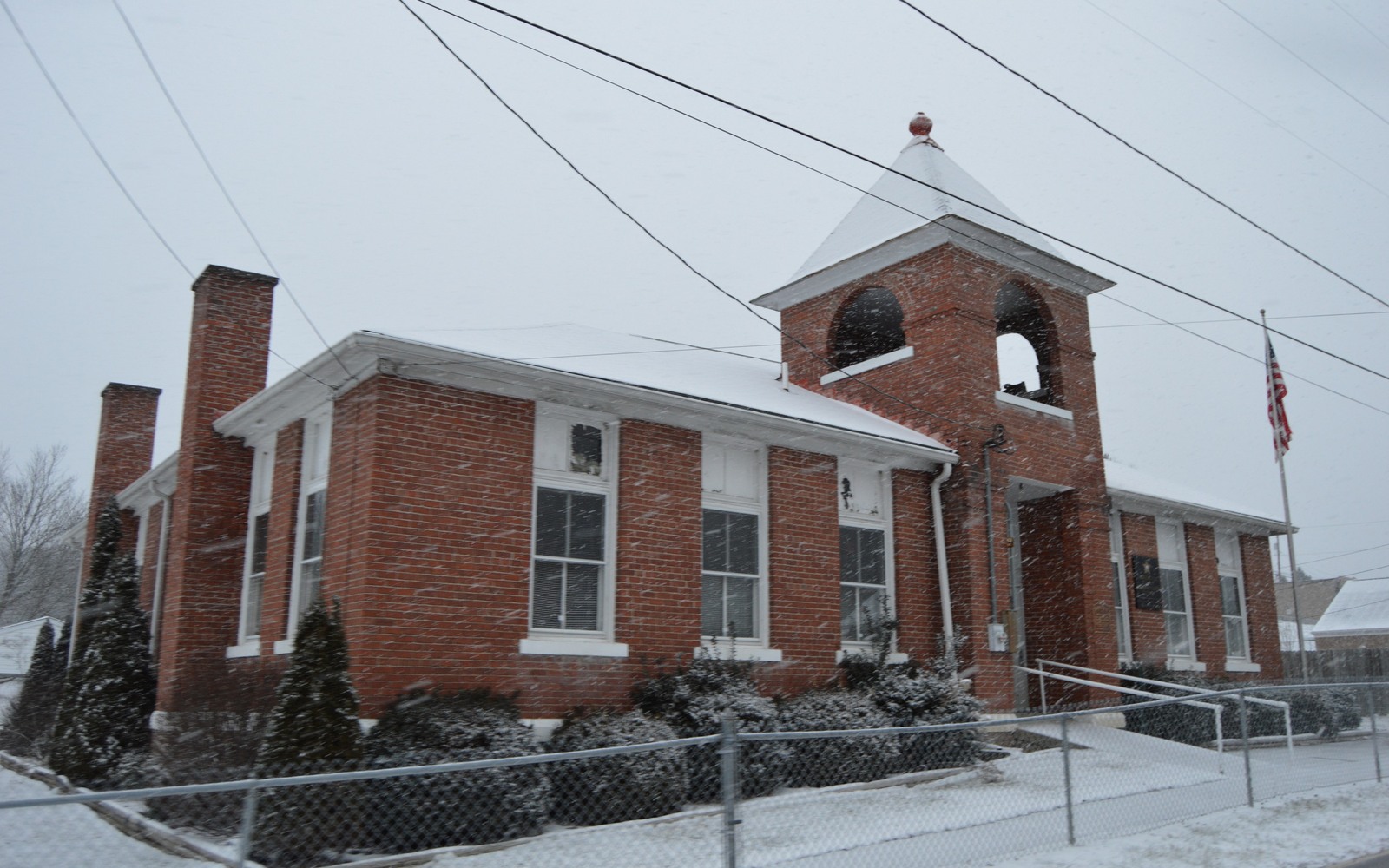
Salem built its history on pottery kilns and steel fabrication, not oil derricks, which is exactly why mineral rights under the farmland surrounding the city often sat forgotten until a landman or a title search brought them back up.
Salem, the largest city in Columbiana County outside the county seat of Lisbon, grew as an industrial town in the 1800s and 1900s. The mineral rights question here is less about the city itself and more about the farmland ringing it, where rural tracts were split, sold, and re-split across generations while the oil and gas underneath rarely got a second thought until shale-era leasing arrived.
If you inherited a fractional mineral interest tied to family land near Salem, understanding what you actually hold is the first step before any offer makes sense.
Tracing ownership back to the original tract
Columbiana County farmland near Salem was frequently subdivided as families grew, with each division sometimes carrying forward a share of previously reserved minerals. A parent's will that left land to four children fifty years ago can mean four separate, unequal mineral interests exist today, some of which the current owners may not even know they hold.
A title search at the Columbiana County Recorder's office in Lisbon establishes the chain and confirms your percentage. We run that search as part of every offer so there are no surprises about who owns what before closing.
The flank position and what it means locally
Columbiana County sits on the western edge of the Utica/Point Pleasant fairway, and acreage around Salem generally sees thinner pay and less operator interest than the deep core counties to the southeast. That affects timing and pace more than it eliminates value outright.
For owners near Salem, the practical question is whether your specific township has seen recent permitting activity, and we check that against Ohio Department of Natural Resources records before quoting anything.
Selling a small or fractional interest
Many of the interests we buy near Salem are small, a sixteenth or a thirty-second, inherited alongside several siblings or cousins. You are free to sell your own share without needing the others to agree or participate, and doing so does not affect their ownership.
We put together a written offer based on your documented percentage, the lease status if one exists, and current activity in the area, and you decide from there whether selling makes sense compared with holding.
Begin with the local record trail
A mineral review in the county starts with the county recorder, legal description, deed chain, reservations, affidavits, notices, lease, units, division orders, payor records, statements, and Ohio well data.
Route Ohio title questions correctly
Probate, marital property, dormant-mineral procedure, pooling, recording, transfer, regulatory filings, and payor notices can change the file in the county. Qualified advisers should review legal and tax questions.
Keep the local review tract-specific
Use local context as a prompt, not a valuation shortcut. The county mineral docket then reconciles the exact tract against gross and net acres, ownership fraction, recorded notices, producing and inactive wells, paid decimal, recent statements, lease burdens, title exceptions, and the complete written offer.