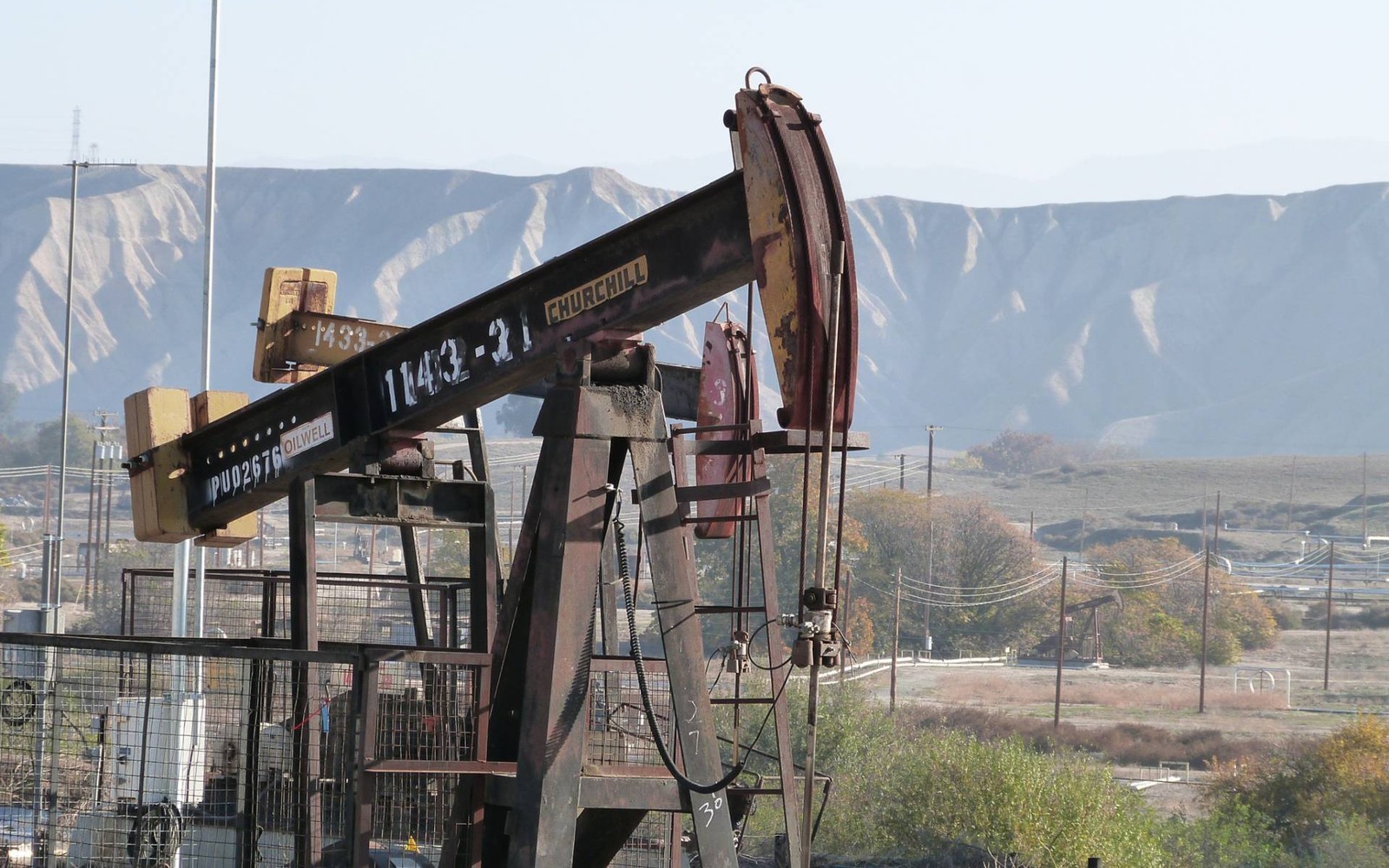
Shadyside has always been a working river town, coal barges and steel mills first, and now pipelines and well pads tied to Belmont County's Utica core development running underneath the same hills.
Shadyside sits along the Ohio River in Belmont County, one of the deepest and most heavily drilled parts of the Utica/Point Pleasant core. The county has drawn steady horizontal development for over a decade, and its river-corridor position has also made it a hub for gathering lines and processing infrastructure feeding the broader play.
Mineral ownership around Shadyside often traces back to family land held for generations along the hillsides above the river, land that saw coal activity long before oil and gas leasing arrived.
Layered mineral history in Belmont County
It is not unusual near Shadyside for a single tract to have separate historical severances for coal and for oil and gas, reserved at different times by different owners. Untangling which rights you actually hold starts with a careful read of the recorded deed chain.
The Belmont County Recorder's office in St. Clairsville holds those records, and we review them in full before making any offer so the coal and oil and gas interests are not confused with one another.
Core Utica development near the river
Belmont County has seen sustained multi-well pad development, and the area's midstream infrastructure has supported continued operator investment rather than a short-lived boom. Parcels near Shadyside that sit within active units generally have solid production data behind them.
For unleased tracts, proximity to this level of ongoing development is a meaningful factor, though we still confirm the specific status of your parcel before quoting.
Selling an interest with a long ownership history
Families who have held land near Shadyside for multiple generations sometimes carry both surface and mineral rights, or sometimes only the minerals after the surface was sold off separately. Either way, the mineral interest can typically be sold on its own.
We price based on documented production history where it exists, and on nearby comparable activity where it does not, always using hedged ranges rather than a flat guarantee.
Begin with the local record trail
A mineral review in the county starts with the county recorder, legal description, deed chain, reservations, affidavits, notices, lease, units, division orders, payor records, statements, and Ohio well data.
Route Ohio title questions correctly
Probate, marital property, dormant-mineral procedure, pooling, recording, transfer, regulatory filings, and payor notices can change the file in the county. Qualified advisers should review legal and tax questions.
Keep the local review tract-specific
Use local context as a prompt, not a valuation shortcut. The county mineral docket then reconciles the exact tract against gross and net acres, ownership fraction, recorded notices, producing and inactive wells, paid decimal, recent statements, lease burdens, title exceptions, and the complete written offer.