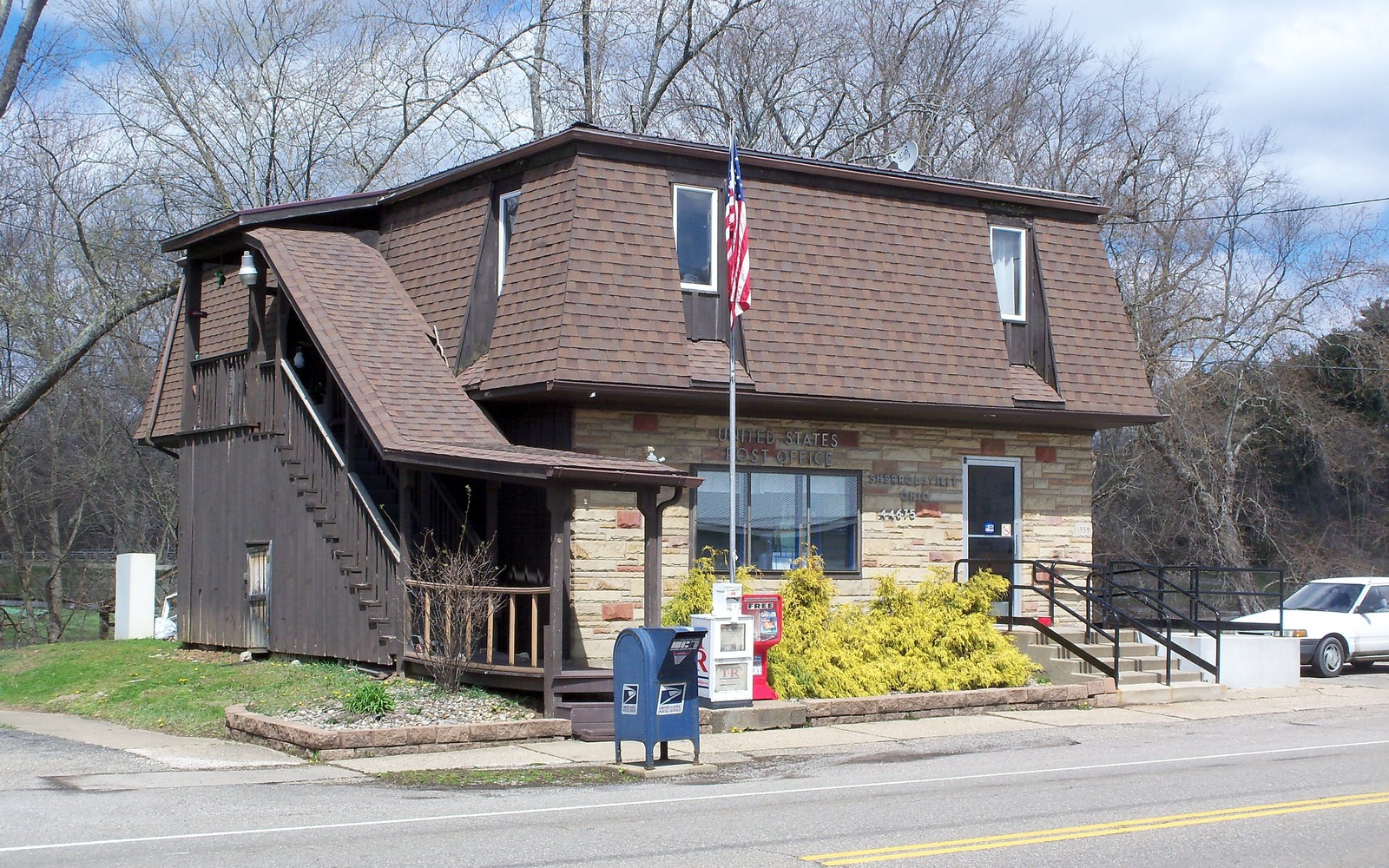
Carroll County, where Sherrodsville sits, is where Ohio's Utica shale story effectively started in 2011, and that founding-county history still shapes how mineral interests here are valued.
Sherrodsville is a small village in Carroll County, the county widely credited as the launching point of Ohio's Utica/Point Pleasant boom when operators began aggressively leasing and permitting here in 2011. More than a decade of drilling, pooling, and production has followed, giving this area one of the longest and most complete track records anywhere in the play.
For mineral owners near Sherrodsville, that history usually means either a long-producing interest with years of royalty statements behind it, or a lease signed during that original rush whose terms are worth a second look.
What over a decade of Carroll County production shows
Wells drilled near Sherrodsville during the early boom years have largely moved past their steepest decline and settled into a longer, more predictable production tail. That maturity gives buyers a real basis for pricing rather than early-stage speculation.
If you have kept royalty statements over the years, they show that trajectory clearly, and they are the single most useful document you can provide before we quote.
Early leases and what to check in them
Leases signed in Carroll County during 2011 and 2012 sometimes included different royalty rates, bonus structures, and pooling terms than what became standard later, as operators and landowners were still working out norms. Reviewing your original lease clarifies what actually transfers with a sale.
We pull the recorded lease from the Carroll County Recorder's office in Carrollton as part of standard title review so those terms are confirmed, not assumed.
Selling a mature, established interest
A mineral or royalty interest with over a decade of production history near Sherrodsville is generally easier to price with confidence than a brand-new or unleased tract, because there is real data instead of projection.
We walk through your specific statements and lease terms and present a written offer grounded in that history, always as a hedged range tied to current activity.
Begin with the local record trail
A mineral review in the county starts with the county recorder, legal description, deed chain, reservations, affidavits, notices, lease, units, division orders, payor records, statements, and Ohio well data.
Route Ohio title questions correctly
Probate, marital property, dormant-mineral procedure, pooling, recording, transfer, regulatory filings, and payor notices can change the file in the county. Qualified advisers should review legal and tax questions.
Keep the local review tract-specific
Use local context as a prompt, not a valuation shortcut. The county mineral docket then reconciles the exact tract against gross and net acres, ownership fraction, recorded notices, producing and inactive wells, paid decimal, recent statements, lease burdens, title exceptions, and the complete written offer.