your share near Stone Creek is tiny, maybe a sixty-fourth. Is it even worth selling?
Often yes, especially if the underlying unit is producing. Small fractional interests are the most common thing we buy in rural Tuscarawas County.
A mineral interest near Stone Creek does not have to be large to be worth selling, and most of what we buy in this part of Tuscarawas County is exactly that kind of small, inherited fraction.
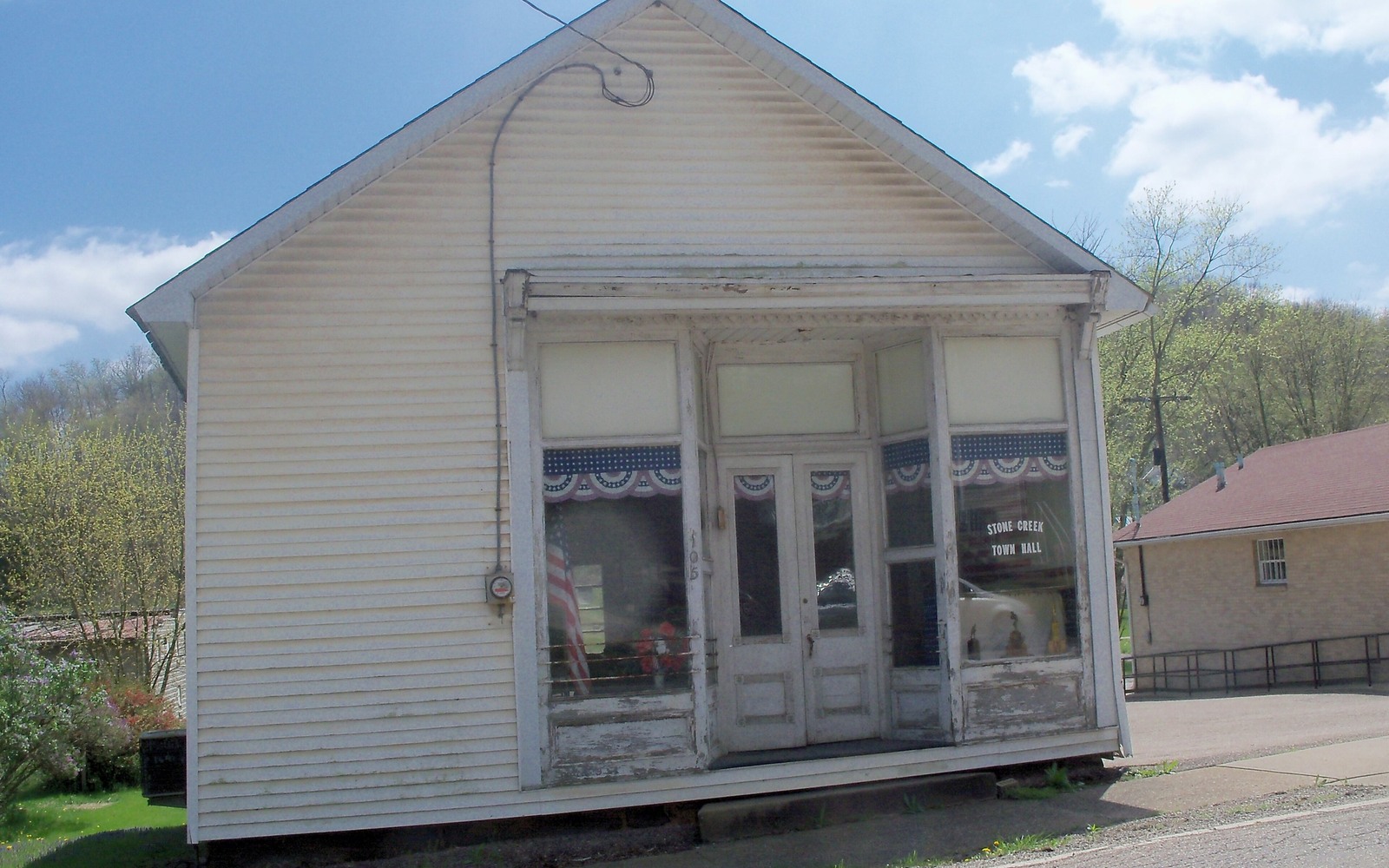
Stone Creek is a small unincorporated village in eastern Tuscarawas County, part of the Utica flank where farmland has been passed down through families for generations. It is common here for a mineral interest to have been split repeatedly across heirs until what remains is a sixteenth, a thirty-second, or even smaller share.
Owners with these small interests often assume they are too minor to matter, but a title search and a written offer take the guesswork out of that assumption.
A single 100-acre farm near Stone Creek, reserved in full by one family generations ago, can end up split among great-grandchildren into fractions so small that each owner might hold less than one percent of the original interest. That is standard, not unusual, for land that has stayed in a family this long.
The size of your fraction is determined by the original deed and the family tree since, both of which we trace through the Tuscarawas County Recorder's office before quoting anything.
Even a small percentage of an interest tied to an actively pooled unit can carry real value, particularly if the well is producing. And administratively, small scattered interests are often more of a burden to track for tax and inheritance purposes than they are worth holding onto indefinitely.
We do not have a minimum size requirement for the interests we buy near Stone Creek, so it is worth a conversation regardless of how small your documented share turns out to be.
A copy of any deed or probate document naming you, or even just the names of the original owners and roughly when the land was in the family, is usually enough for us to start a title search.
From there we confirm your exact percentage, check activity in the surrounding Tuscarawas County flank townships, and put a written offer together.
A mineral review in the county starts with the county recorder, legal description, deed chain, reservations, affidavits, notices, lease, units, division orders, payor records, statements, and Ohio well data.
Probate, marital property, dormant-mineral procedure, pooling, recording, transfer, regulatory filings, and payor notices can change the file in the county. Qualified advisers should review legal and tax questions.
Use local context as a prompt, not a valuation shortcut. The county mineral docket then reconciles the exact tract against gross and net acres, ownership fraction, recorded notices, producing and inactive wells, paid decimal, recent statements, lease burdens, title exceptions, and the complete written offer.
Questions Ohio owners ask
Often yes, especially if the underlying unit is producing. Small fractional interests are the most common thing we buy in rural Tuscarawas County.
Yes. That is part of the title search process, tracing the original reservation through however many generations have passed since.
We structure offers to account for the size of the interest and the cost of the title work, so you see a clear net number before deciding.
Keep reading before you sign
Strasburg, Tuscarawas County landowner whose family sold the surface but kept minerals, or the reverse? See how split estates work and how to sell your share.
Stratton sits along the Ohio River in Jefferson County. See how river-bottom land history and Utica flank activity shape mineral rights value here.
Sugarcreek, Ohio's Little Switzerland, sits atop the Utica flank in Tuscarawas County. See how Amish country farmland and mineral rights history connect.
Put your county record in front of a buyer
Share the Ohio county, owner name, interest type, producing status, available statements, and the decision that needs a clearer answer.