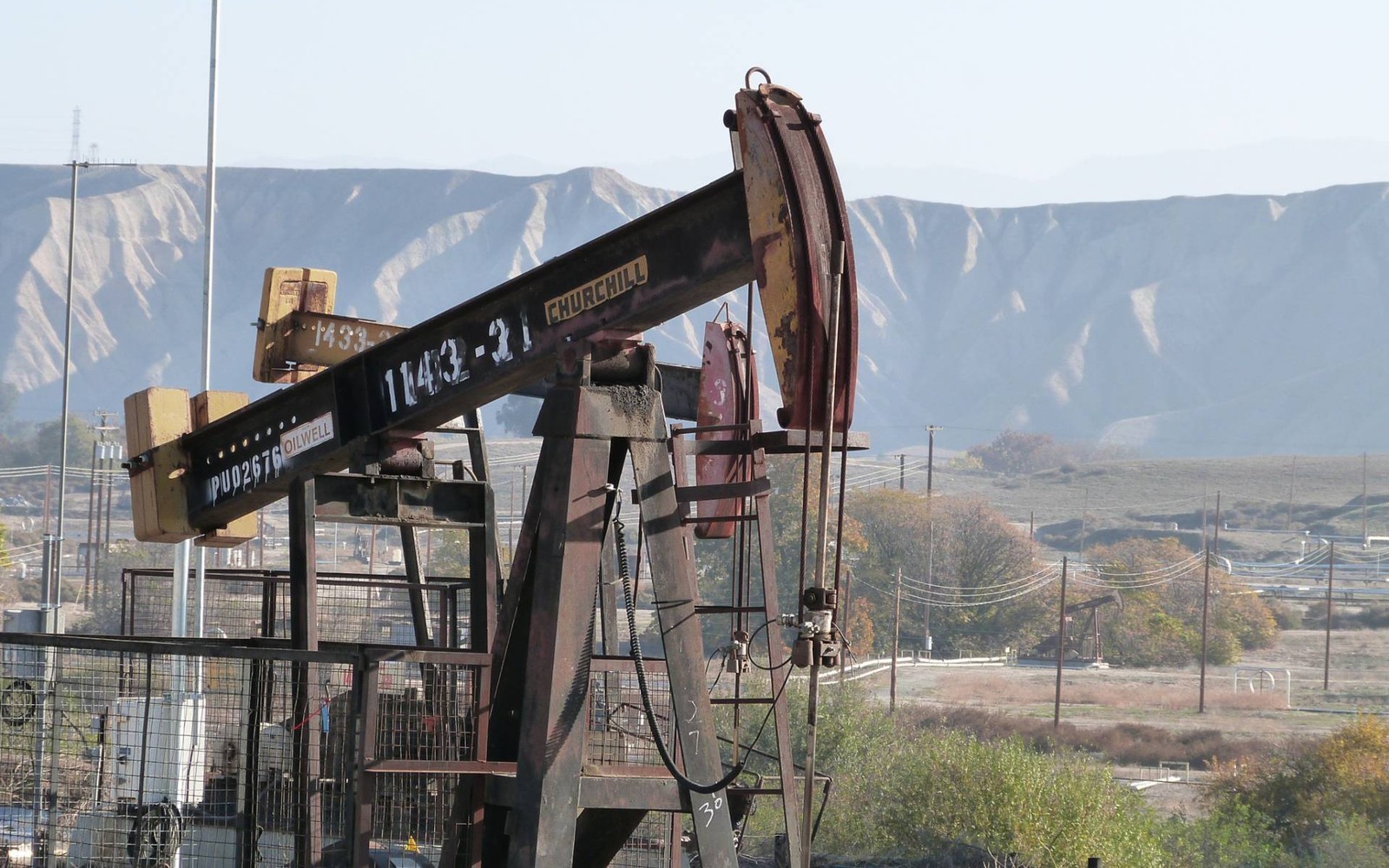
Around Strasburg it is common to meet a family that owns the surface but not the minerals underneath it, or the mirror image, minerals but no surface, and both situations raise different questions.
Strasburg sits in Tuscarawas County on the Utica flank, farmland that has changed hands many times since the 1800s. A split estate, where surface ownership and mineral ownership belong to different people, is extremely common here, usually created when a farm sold decades ago with the oil and gas rights carved out and kept by the seller's family.
Whether you are the surface owner wondering who owns the minerals under your land, or the mineral owner with no connection to the current farm, the answer starts with the same title search.
What a split estate actually means
If your deed says you own the surface but the mineral rights were reserved by a prior owner, you do not automatically have any claim to those minerals, and the current mineral owner does not need your permission to lease or sell their interest, though Ohio law does require reasonable accommodation of surface use.
Conversely, if you are the mineral owner with no surface interest, you can typically sell your mineral rights independently, and the transaction has no direct effect on whoever farms or lives on the land above.
Finding your specific mineral interest near Strasburg
The original severance deed, recorded at the Tuscarawas County Recorder's office, is what created the split in the first place and shows the exact size of the reserved interest. From there, subsequent wills and deeds trace how that interest moved through the family to you.
We handle this search directly so you do not need to track down decades of paperwork yourself before getting a sense of what you own.
Selling your mineral share
Once ownership is confirmed, we check current activity in the townships around Strasburg and put together a written offer reflecting your documented percentage and the lease or production status of the interest.
Because you own the minerals independently of the surface, selling does not require any coordination with the current landowner unless your specific deed says otherwise.
Begin with the local record trail
A mineral review in the county starts with the county recorder, legal description, deed chain, reservations, affidavits, notices, lease, units, division orders, payor records, statements, and Ohio well data.
Route Ohio title questions correctly
Probate, marital property, dormant-mineral procedure, pooling, recording, transfer, regulatory filings, and payor notices can change the file in the county. Qualified advisers should review legal and tax questions.
Keep the local review tract-specific
Use local context as a prompt, not a valuation shortcut. The county mineral docket then reconciles the exact tract against gross and net acres, ownership fraction, recorded notices, producing and inactive wells, paid decimal, recent statements, lease burdens, title exceptions, and the complete written offer.